The chikungunya virus, first identified in 1952, was long confined to tropical regions. Today, however, rising global temperatures are enabling its spread into new territories — including parts of Europe.
A recent scientific analysis published in The Royal Society Interface found that climate change is creating conditions suitable for chikungunya transmission for more than six months a year in southern European countries such as Greece, Spain, Italy and Portugal. Health authorities warn that the expansion northward is likely to continue.
Below are 10 essential questions and answers about the virus, based on information from leading international health organizations.
1. What does “chikungunya” mean?
The name comes from the Makonde language of Tanzania, where the virus was first detected. It means “that which bends up,” referring to the stooped posture of patients suffering from severe joint pain.
2. What are the symptoms?
Chikungunya typically causes sudden high fever (often above 39°C), intense joint pain — especially in the hands and feet — muscle aches, joint swelling, headache and rash. Up to four in ten patients may experience persistent joint pain for years after infection.
3. How is it transmitted?
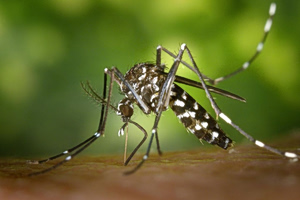
The virus spreads through the bite of infected mosquitoes of the Aedes genus, mainly Aedes aegypti and Aedes albopictus (the Asian tiger mosquito). These mosquitoes bite primarily during the day. The virus does not spread directly from person to person like influenza or the common cold.
4. When do symptoms appear and how long do they last?
Symptoms usually develop three to seven days after a mosquito bite, though the incubation period can range from one to 12 days. The acute phase typically lasts about a week, but joint pain can persist for months or even years.
5. Can it be fatal?
Deaths are rare. However, newborns, people over 65 and individuals with underlying conditions such as diabetes or heart disease face a higher risk of severe complications, including multi-organ failure.
6. Can someone be reinfected?
Infection is believed to provide long-term immunity, making reinfection unlikely.
7. Is there a treatment?
There is no specific antiviral treatment. Care is supportive and focuses on relieving symptoms, including fever reducers and painkillers such as paracetamol, along with rest and fluids. Anti-inflammatory drugs may be used for joint pain. Non-steroidal anti-inflammatory drugs like ibuprofen or aspirin should be avoided until dengue fever — which presents with similar symptoms and is transmitted by the same mosquitoes — has been ruled out, due to bleeding risks.
8. Are vaccines available?
Two vaccines are now available in the European Union.
Ixchiq, approved in June 2024 for adults and later expanded to adolescents aged 12 and older, contains a live weakened virus. It has shown high effectiveness but has been linked to serious side effects, particularly in older adults, including cases of encephalitis. European authorities temporarily restricted its use in people over 65 before lifting the restriction in 2025. In the United States, the Food and Drug Administration suspended its license in August 2025 following reports of severe adverse events.
A second vaccine, Vimkunya, approved in early 2025, is also authorized for individuals aged 12 and above.
Vaccination is mainly recommended for travelers to areas where the virus is endemic or experiencing outbreaks, such as parts of Africa, Southeast Asia and the Americas. Health authorities advise careful benefit-risk assessment for older adults and do not recommend vaccination for immunocompromised individuals.
9. How can infection be prevented?
Given vaccine limitations, experts stress mosquito bite prevention:
- Use insect repellent
- Wear long-sleeved, light-colored clothing
- Use mosquito nets or air conditioning
- Eliminate standing water in pots, gutters or old tires
10. How widespread is chikungunya?
In 2025, more than 500,000 cases and 186 deaths were reported worldwide, mainly in the Americas, Southeast Asia and Africa. Studies suggest annual global infections may exceed 35 million.
More than 119 countries have reported cases, including over 10 in Europe. In 2025, hundreds of cases were recorded in France and Italy. Outbreaks in Europe are often triggered when infected travelers return from tropical regions and are bitten by local mosquitoes, which then transmit the virus domestically.
In Greece, only a small number of imported cases have been recorded — four between 2013 and 2018. However, the establishment of the Asian tiger mosquito in the country and Europe’s rapid warming rate — nearly double the global average — are raising concerns.