On February 6, the International Day of Zero Tolerance for Female Genital Mutilation, the world is reminded not only of a global human rights crisis but also of the stories behind the statistics—stories like that of Waris Dirie, and of millions of girls whose lives have been permanently marked by one of the most violent practices inflicted on women.
A recent scientific study estimates that at least 100 million girls and women across 30 countries have undergone female genital mutilation, though the true figure is likely higher due to gaps in available data. Behind these numbers are lives shaped by pain, silence, and survival.
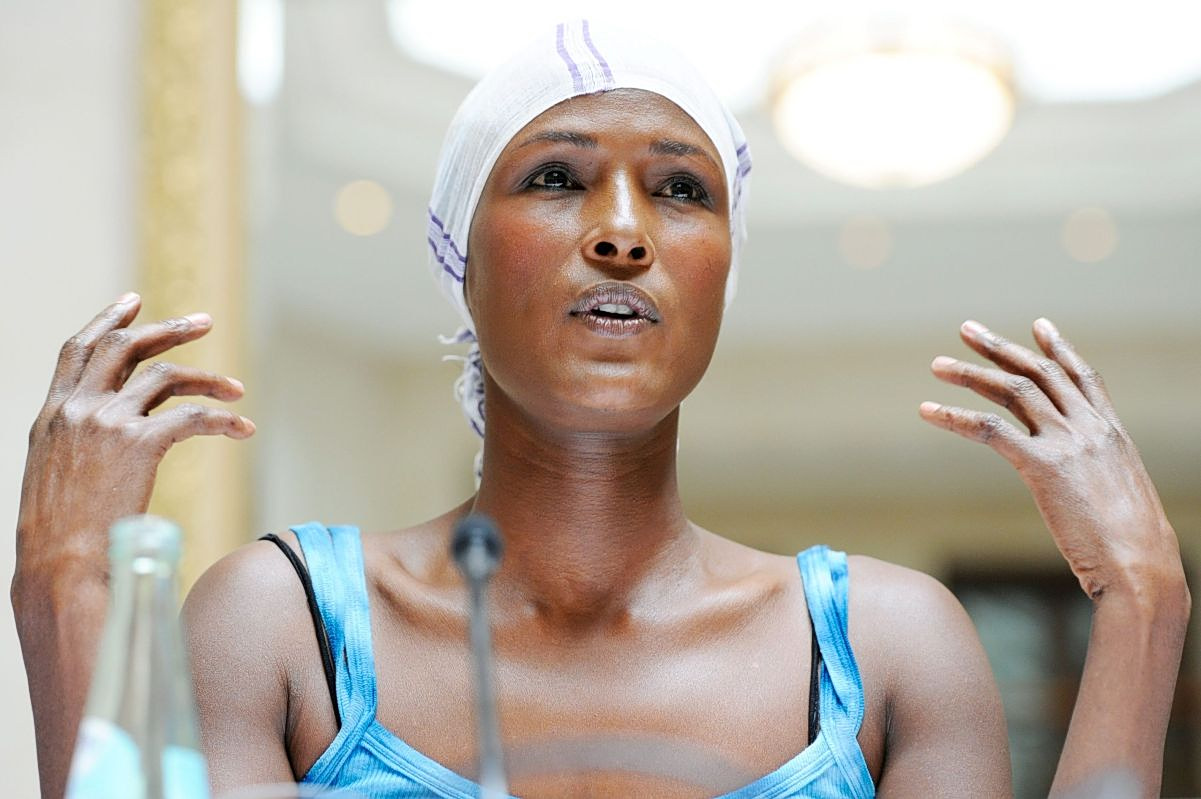
One of the most powerful voices challenging the practice is Waris Dirie, whose journey from the Somali desert to international fame transformed her into a global symbol of resistance, proving that even deeply rooted traditions can be confronted through courage.
Waris Dirie was born into a nomadic family in the Somali desert and, like countless girls in her community, was subjected to female genital mutilation at just five years old. An elderly woman carried out the procedure with a rusty razor blade, leaving her with lifelong physical and emotional scars. Dirie survived despite the risks of infection and hemorrhage—dangers that still claim the lives of many girls each year.
Her life, however, would take a dramatic turn. As a teenager, she fled an arranged marriage, eventually reaching Mogadishu and later London, where she worked as a domestic servant at the Somali embassy. When civil war broke out in Somalia, she was left stranded in Britain without legal status or resources, surviving on cleaning and factory jobs.
Her fortunes changed when fashion photographer Terence Donovan discovered her, launching a career that quickly took her to international runways, major fashion campaigns, and the pages of Vogue, working with leading houses such as Chanel and Yves Saint Laurent.
Yet behind the success lay unresolved trauma. When Dirie publicly revealed her childhood experience of FGM, her testimony shocked audiences and propelled her into activism. She later became a United Nations Special Ambassador advocating for the eradication of the practice.
Her autobiography Desert Flower—and the film based on it—serve not merely as success stories but as calls to action. Through the Desert Flower Foundation, she continues to fight FGM through education, advocacy, and support for survivors. Dirie is more than a model turned activist; she is a survivor who chose to help others find a path to freedom.
A Future Without FGM
While data show a gradual decline in the practice in many countries—26 of the 30 nations where it remains prevalent—experts warn that progress is far too slow.
Researchers led by Dr. Steven McCall of the American University of Beirut analyzed data from 30 studies published in PLOS Medicine, covering over 406,000 women in 30 countries and nearly 300,000 girls in 25 countries. The findings revealed that almost 37% of women aged 15–49 and 8.3% of girls aged 0–15 had undergone FGM.
The World Health Organization classifies the practice as a harmful, non-medical tradition with long-term health and economic consequences, calling for its elimination by 2030. However, the study warns that countries including Egypt, Somalia, Sudan, Indonesia, Mali, and Guinea are unlikely to meet this goal without stronger action.
Activists like Waris Dirie have opened the path toward change, but the journey remains long. Laws alone cannot end the practice. Lasting progress requires social transformation, economic empowerment for women, and a shift in collective attitudes.
The desert flower blooms in harsh conditions, just as Dirie flourished despite unimaginable hardship. Today, that flower symbolizes not only beauty but resistance—and the struggle continues.