Greeks living and traveling in the Gulf have spoken of a night marked by anxiety and explosions, following a new wave of airstrikes in the region after Saturday’s attack by Israel and the United States on Iran. Residents in Abu Dhabi, Doha and Bahrain described scenes of alarm sirens, missile interceptions and mounting uncertainty, in interviews aired Sunday morning on Mega Channel.
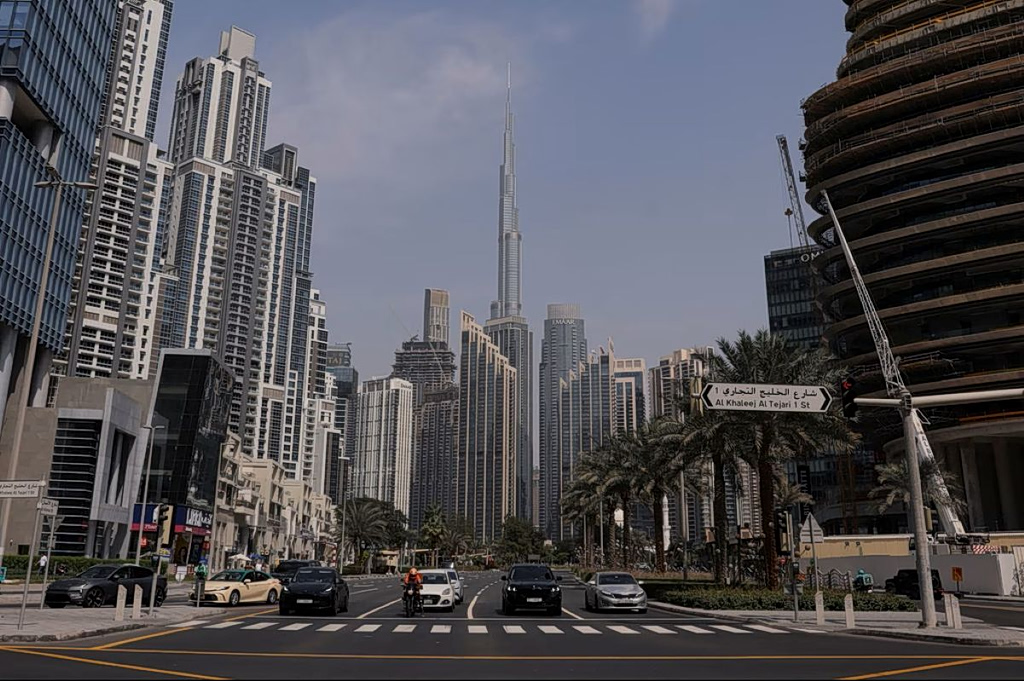
In Abu Dhabi, Spyros Plakoudas recounted what he called a “difficult night,” as warning alerts blared across the emirate.
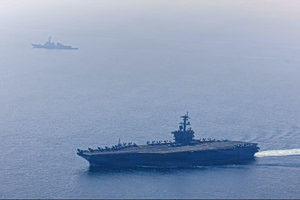
“I have to admit, it was a hard night,” he said. “Until recently, any hostilities between Iran, Israel and the U.S. felt almost choreographed. The Americans and Israelis would strike specific targets inside Iran, and in retaliation Iran would target U.S. military bases in the Gulf. That pattern no longer holds.”
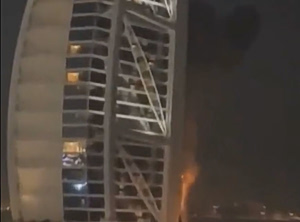
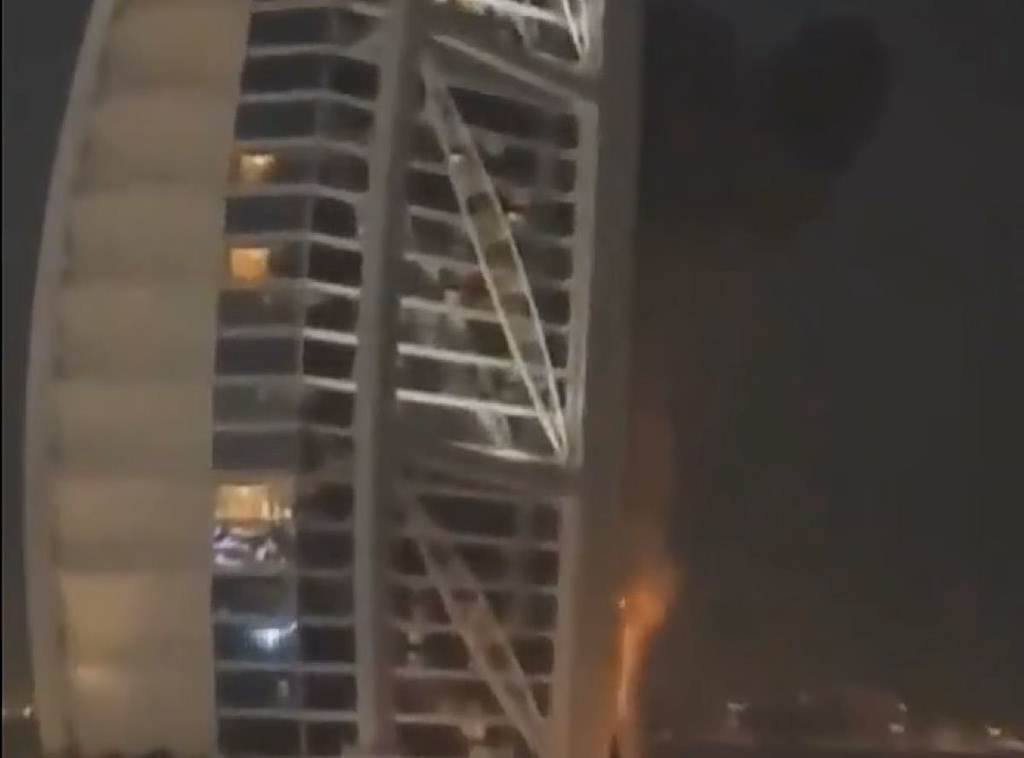
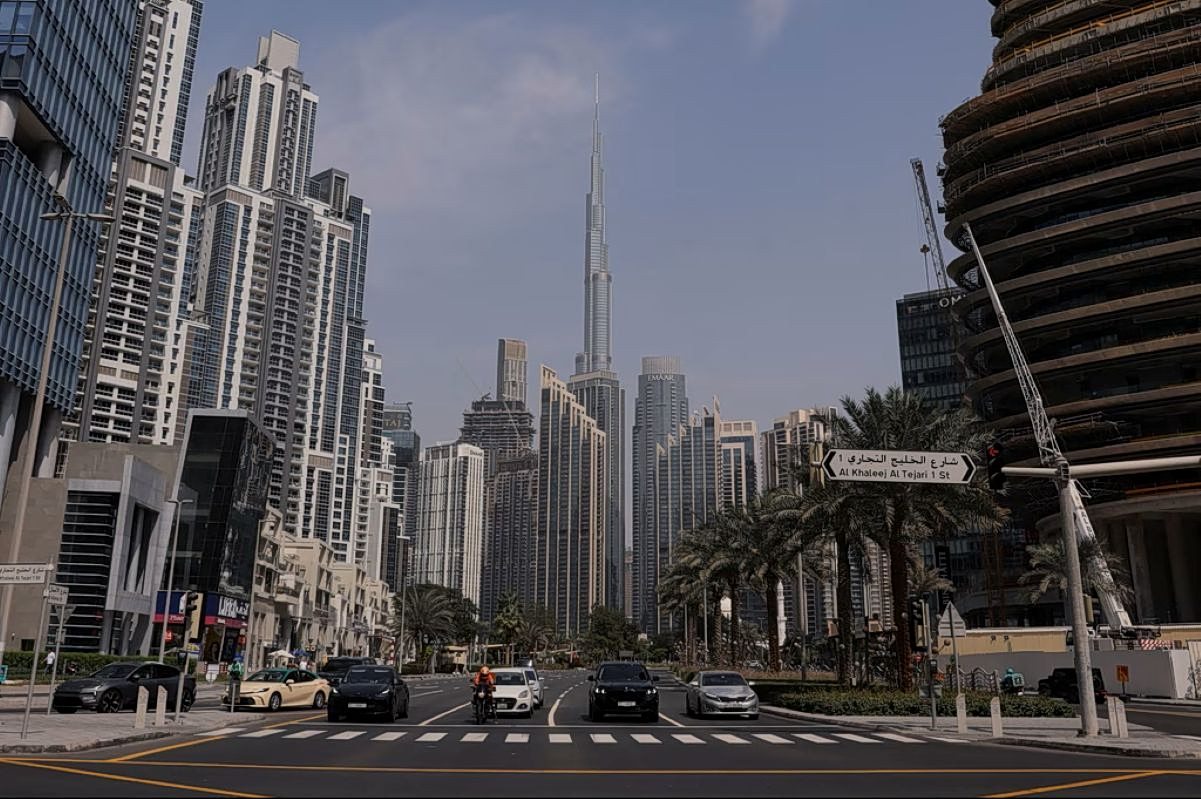
Plakoudas described emergency alerts sounding on their cell-phones, warning of incoming missile attacks. Shortly afterward came the distant blasts — drones, ballistic missiles, and the interceptions that followed. Reports circulated of strikes on major civilian landmarks and infrastructure, including the Burj Al Arab, The Palm and the airport.
“These are unprecedented situations,” he said. “Iran had never targeted civilians here in the Gulf before the 12-day war. Now not only military sites but civilian targets are being hit.”
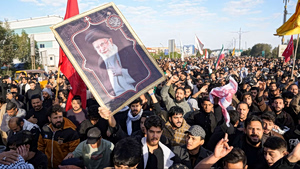
He also referred to what he described as a decapitation of Iran’s senior leadership, claiming that top figures had been killed. “Iran is attempting, through indiscriminate strikes, to pressure Gulf monarchies into exerting strong pressure on Washington for a ceasefire,” he added.
In Doha, Greek traveler Eleni Skourti said she and dozens of other Greeks have been left stranded amid the turmoil. Speaking from a hotel in the Qatari capital, she said around 12 Greeks were staying there, while more than 100 were believed to be at the airport. Thousands of passengers of various nationalities were reportedly affected.
“I was on a business trip to Dubai,” she explained. “I had a transfer through Doha and then on to Athens. When we arrived yesterday, we received a notification that we couldn’t proceed and had to remain inside.”
Skourti said the group has struggled to get assistance from Greek authorities. “We were calling the embassy for three hours and no one answered. No one came to the airport to see how we were. There are thousands of people here — certainly 2,000 to 3,000.”
At 6 a.m., passengers were instructed to evacuate the airport immediately, she said, later learning from the embassy that there had been a bomb threat. “We need help because we don’t even know how we’ll get back. We understand that the airspace is closed, but we have had no official update from our country about what will happen to us.”
In Bahrain, Spyros Plagiotis described a similarly tense but more orderly situation. “It was a somewhat difficult night, in the sense that it was worrying, with continuous interceptions,” he said. Sirens and defensive responses began as early as Saturday morning.
On the positive side, he said, there is constant information throughout the day and night from the Bahraini government and from Greece’s honorary consulate in Bahrain.
According to Plagiotis, the consul has set up a messaging group to provide regular updates and safety instructions in line with local authorities. While Bahrain lacks traditional air-raid shelters due to its terrain, designated public buildings such as shopping malls and parking facilities have been identified as safe spaces if needed.
“For now, there has been no discussion of leaving Bahrain,” he said. “Things appear to be under control. If the attacks intensify or the situation becomes unbearable, or if there is a direct threat to us, we will certainly submit a request to the consulate.”