 Μake us preferred on Google
 Greece’s supreme court has partially overturned sentencing elements of a landmark trial concerning the 2018 Mati wildfire disaster, prompting an angry response from victims’ families, who accused the justice system of moving further away from accountability nearly eight years after the country’s deadliest wildfire.
The Association of Relatives of the Dead and Burn Victims of the July 23, 2018, wildfire disaster in eastern Attica said a ruling by the high court recognized the guilt and responsibility of convicted officials for the deaths of 102 people and injuries to dozens more, while reopening discussion over possible sentence reductions.
The court ruled that an appeals court must reconsider whether former fire brigade chief Sotiris Terzoudis, former deputy chief Vassilis Matthaiopoulos and former civil protection secretary Ioannis Kapakis should be granted mitigating circumstances based on what Greek law describes as a “previous lawful life,” according to media reports this month.
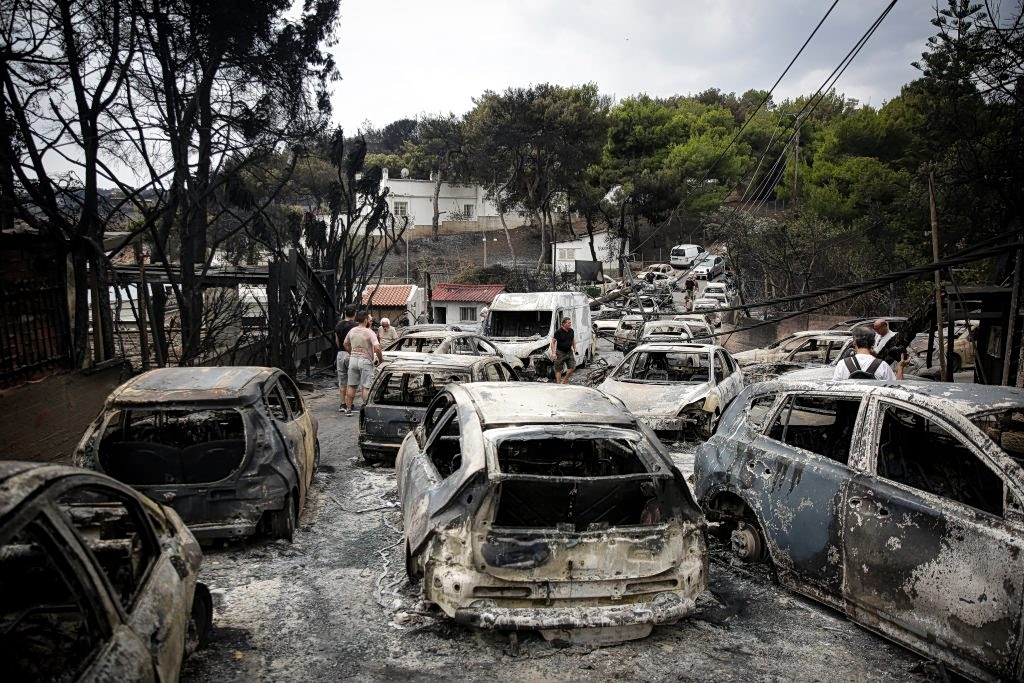
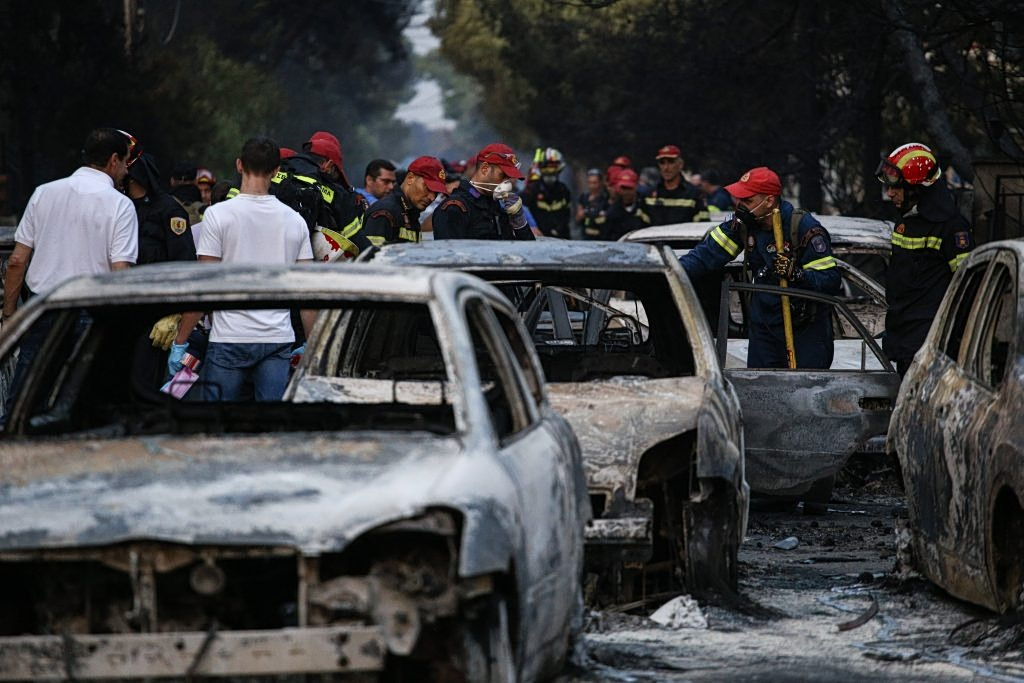
The three officials had been convicted on multiple counts of manslaughter and bodily harm through negligence over failures in the state response to the wildfire, which tore through the eastern Attica prefecture seaside settlement of Mati and surrounding areas east of Athens on July 23, 2018, killing more than 100 people as residents and tourists fled toward the sea.
In a statement issued after the ruling, the victims’ association argued that the absence of prior criminal convictions was insufficient to demonstrate an “honorable” or law-abiding life, particularly for senior officials whose actions and omissions contributed to what it described as a “national criminal tragedy.”
“While the convicted seek mitigations, the victims do not return. The dead do not come back,” the association said, adding that families continued to live with “loss and pain” while justice appeared increasingly distant.
The group also questioned whether the fragmentation of the wider Mati case into multiple trials had obscured the full scope of responsibility. Another trial involving additional victims and all 21 defendants remains pending.
The supreme court, however, rejected a separate appeal by an elderly defendant, whose yard work was deemed to have sparked the conflagration, according to the association’s statement.
The Mati wildfire exposed longstanding failures in the country’s emergency response, evacuation planning and inter-agency coordination.
Investigators and survivors have pointed to chaotic rescue efforts, poor communication and the absence of an organized evacuation as key factors behind the scale of the disaster. The tragedy triggered sweeping and scathing criticism of the SYRIZA-ANEL government coalition at the time and became a defining symbol of institutional shortcomings in civil protection policy.