
 Μake us preferred on Google
 Many people struggle to wake up in the morning feeling refreshed, with more than half of adults regularly using the snooze button. Sleep specialists say this habit often reflects disrupted sleep patterns, late bedtimes, or underlying sleep-related issues.
Experts suggest that adjusting daily routines can significantly improve sleep quality and make it easier to wake up earlier without fatigue.
Go to bed earlier for better rest
One of the most effective ways to improve mornings is to increase total sleep time by going to bed earlier. Studies show that a significant number of adults do not reach the recommended seven or more hours of sleep per night.
Getting enough rest allows the body to wake up naturally and reduces reliance on alarms. Consistently early sleep patterns are also linked to better overall health and fewer sleep-related issues.
Limit caffeine and alcohol intake
Caffeine consumption, even several hours before bedtime, can negatively affect sleep quality. Alcohol may also disrupt normal sleep cycles, even though it can initially cause drowsiness.
Both substances can lead to fragmented sleep and morning tiredness, increasing the likelihood of repeatedly hitting the snooze button. Experts recommend reducing or avoiding them, especially in the evening.
Eat and exercise at the right time
Nutrition and timing of meals can influence the body’s internal clock. Healthier breakfast choices, such as whole grains, fruits, and vegetables, may help improve morning energy levels, while sugary foods can lead to fatigue.
Eating earlier in the day may also help shift sleep schedules. Research suggests that having breakfast soon after waking and avoiding late-night meals can move sleep timing earlier by up to two hours.
Morning exercise can further support this adjustment, improving sleep quality and reducing daytime sleepiness.
Use light to reset your body clock
Exposure to natural light in the morning plays a key role in regulating the circadian rhythm, the body’s internal clock. Spending time outdoors early in the day or exercising in daylight can help reinforce a healthier sleep-wake cycle.
When natural light is not available, light therapy lamps may provide similar benefits.
Reduce evening light exposure
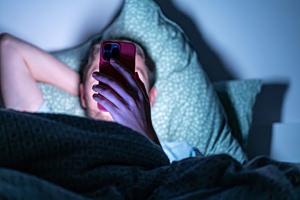
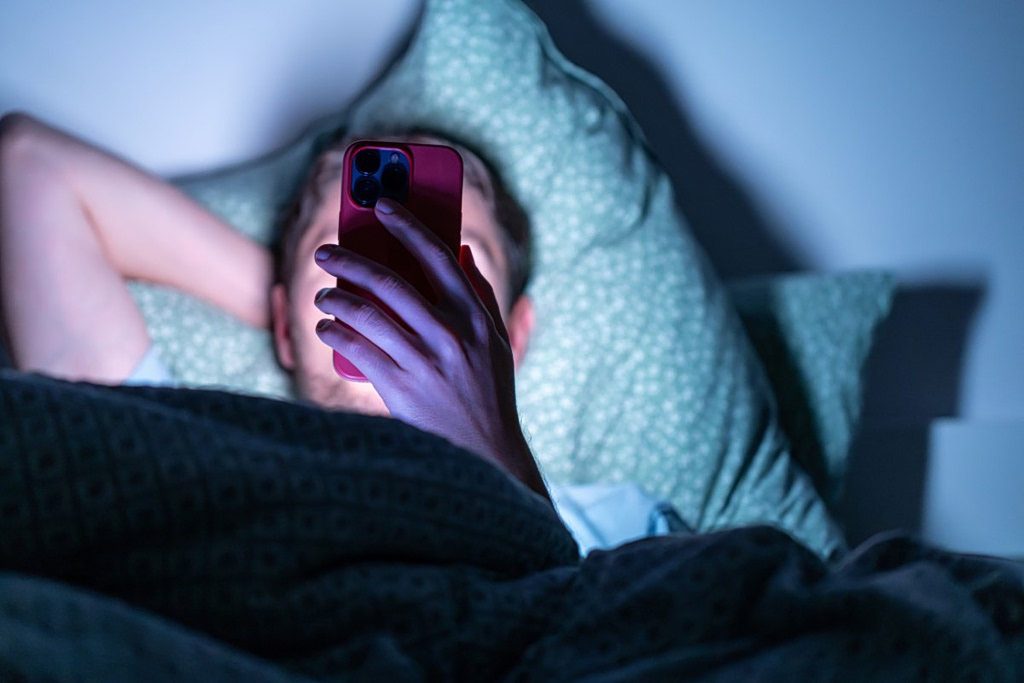
Bright light in the evening can delay sleep by interfering with the body’s natural rhythms. Sleep experts recommend dimming household lights before bed, using blackout curtains, and avoiding screens close to bedtime.
For those who must use electronic devices, blue light filtering glasses may help reduce disruption.