 Μake us preferred on Google
 The municipality of Chalkida (Halkida) has installed special floating barriers at selected beaches to protect swimmers from purple jellyfish, becoming one of the first local authorities to introduce physical protective measures in response to the seasonal marine phenomenon.
Municipal officials said the barriers were deployed after jellyfish appeared in the area last year and will remain in place throughout the summer before being removed at the end of the bathing season.
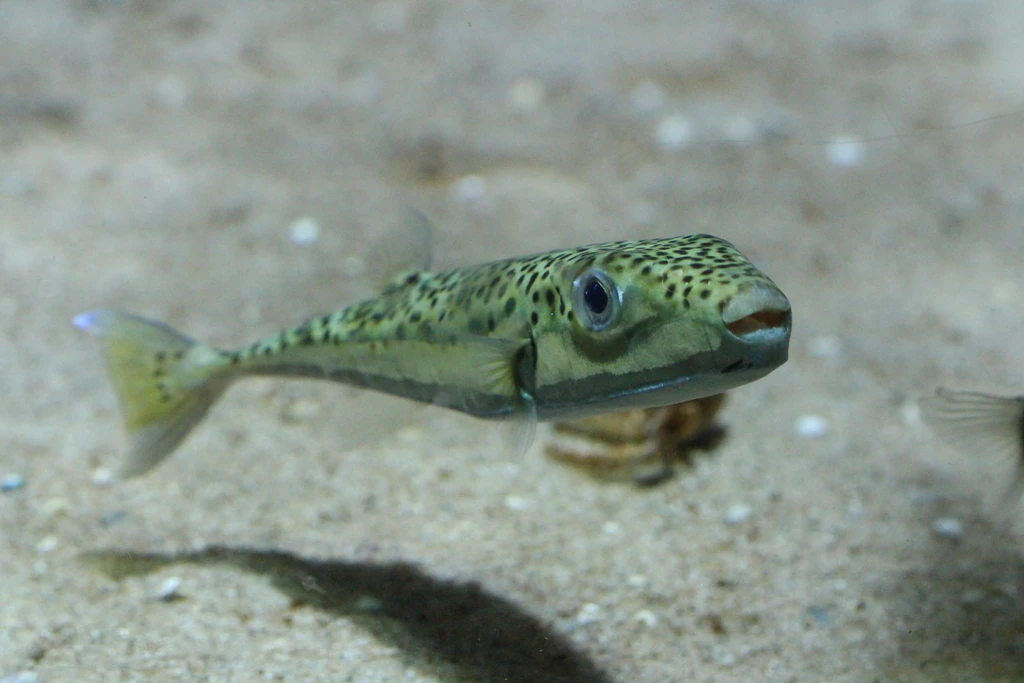
“The problem first emerged last year, so we moved quickly to ensure this summer is carefree and visitors can enjoy swimming safely,” Deputy Mayor Antonis Spanos said. He added that the enclosed swimming areas are designed to protect bathers from purple jellyfish, other stinging marine species and invasive silver-cheeked toadfish.
The floating barriers can be installed or removed whenever conditions require, allowing authorities to respond quickly if jellyfish reappear, he said.
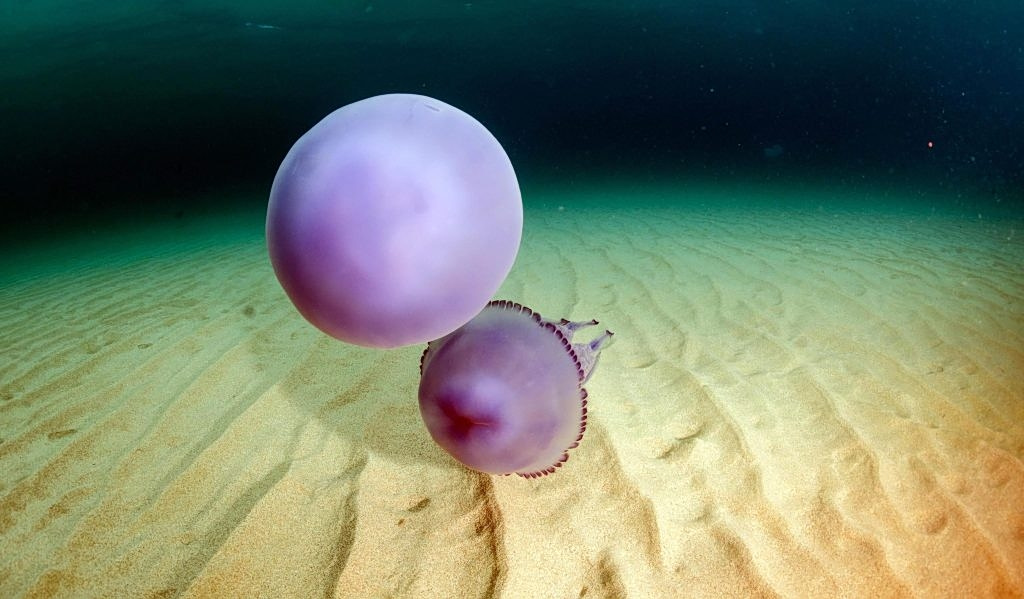
The initiative follows renewed concern over the return of purple jellyfish (Pelagia noctiluca) to Greek waters this year. Over the past month, sightings have been reported in parts of eastern Attica, due east of the greater Athens area, and along sections of Evia (Euboea), where dense concentrations were observed in the northern Evoikos Gulf. Experts have linked the early appearance of the species to warmer sea temperatures and broader ecological changes affecting marine ecosystems.
The purple jellyfish is known for its painful sting, which can cause intense burning, skin irritation and, in rare cases, more severe reactions requiring medical attention. Unlike the harmless “fried egg” jellyfish, Pelagia noctiluca is regarded as one of the Mediterranean’s more troublesome jellyfish species for swimmers. Health authorities advise bathers to avoid contact with the animals, rinse stings with seawater rather than fresh water and seek medical advice if symptoms become severe.
The installation of protective barriers reflects growing efforts by coastal municipalities to adapt to recurring jellyfish blooms, which have become an increasingly common feature of Greek summers and have raised concerns among residents, tourism operators and beachgoers in several coastal regions.