 Μake us preferred on Google
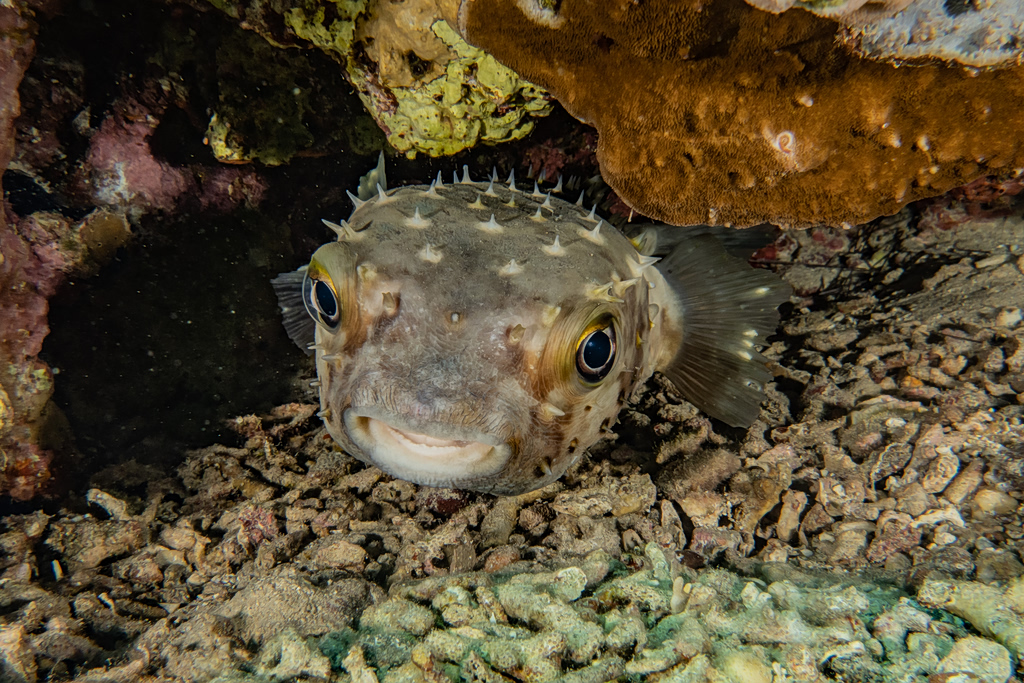
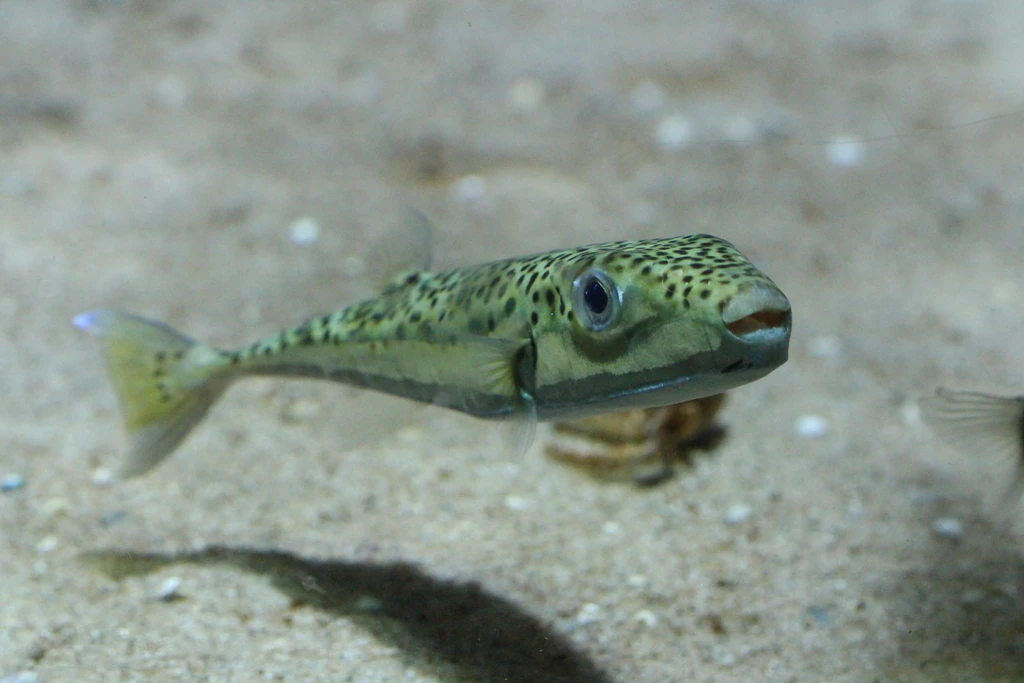
 Authorities in Greece are preparing to launch a subsidy program aimed at reducing populations of the invasive silver-cheeked toadfish, known locally as lagokefalos, the first substantive effort to curb the spread of a species that has become a growing concern for fishermen and marine ecosystems.
The program was announced by the agriculture ministry on Monday.
Under the scheme, professional fishermen will receive compensation exceeding €4.73 per kilogram of toadfish caught, with additional support covering operating expenses such as fuel, refrigeration and fishing equipment. Total compensation is expected to exceed €5 per kilogram, providing a financial incentive to target the species.
The initiative is modeled on a similar program already implemented by Cyprus. Initial efforts will focus on Crete and the Dodecanese, regions that have been among the hardest hit by the species’ rapid expansion.
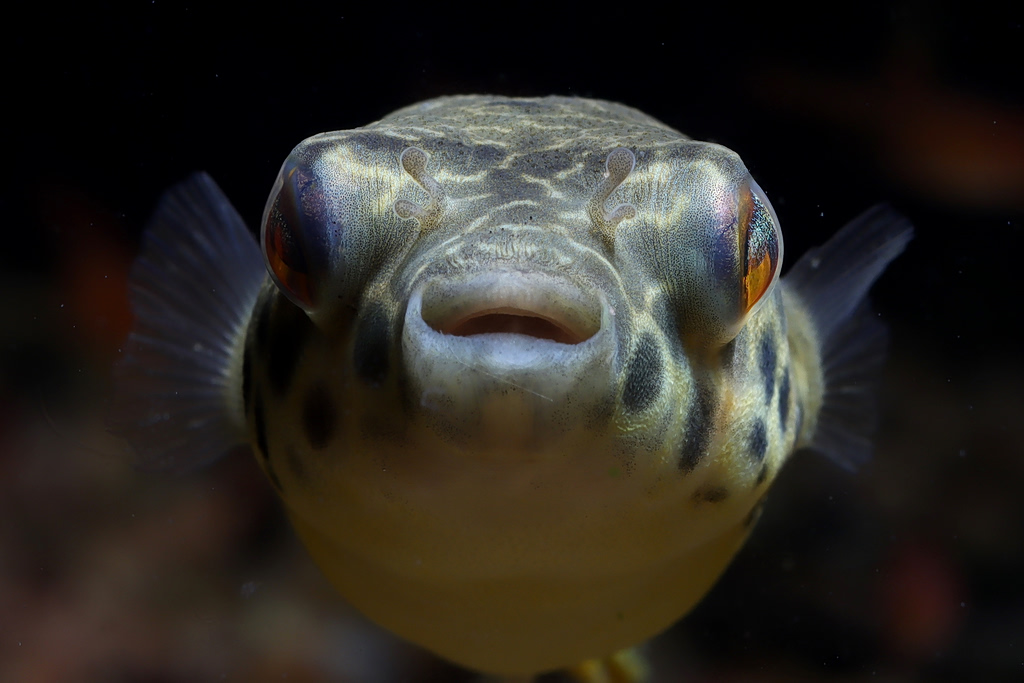
The silver-cheeked toadfish, a highly invasive species that entered the Mediterranean through the Suez Canal, has established permanent populations in Greek waters. Marine scientists attribute its success to the absence of natural predators and its ability to reproduce rapidly. Rising sea temperatures have further aided its spread, creating favorable conditions for survival and expansion.
While the largest concentrations remain in southern and southeastern Greek waters, sightings have steadily expanded northward, reaching as far as the northeastern port city of Alexandroupoli.
Experts say the fish poses a limited threat to swimmers and is not considered aggressive toward humans. Nevertheless, authorities advise the public not to touch or handle the species because it contains tetrodotoxin, a potent toxin that can be dangerous if ingested or improperly handled.
The subsidy program follows growing concern among local fishermen over damage to catches and fishing gear caused by the species. Over the past month, local press reports have highlighted the state’s efforts to finalize a compensation mechanism modeled on the Cypriot system, amid calls from fishing communities for stronger measures to contain the spread of the invasive fish and mitigate its economic impact on coastal regions.