 Μake us preferred on Google
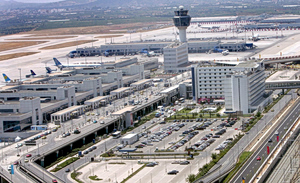
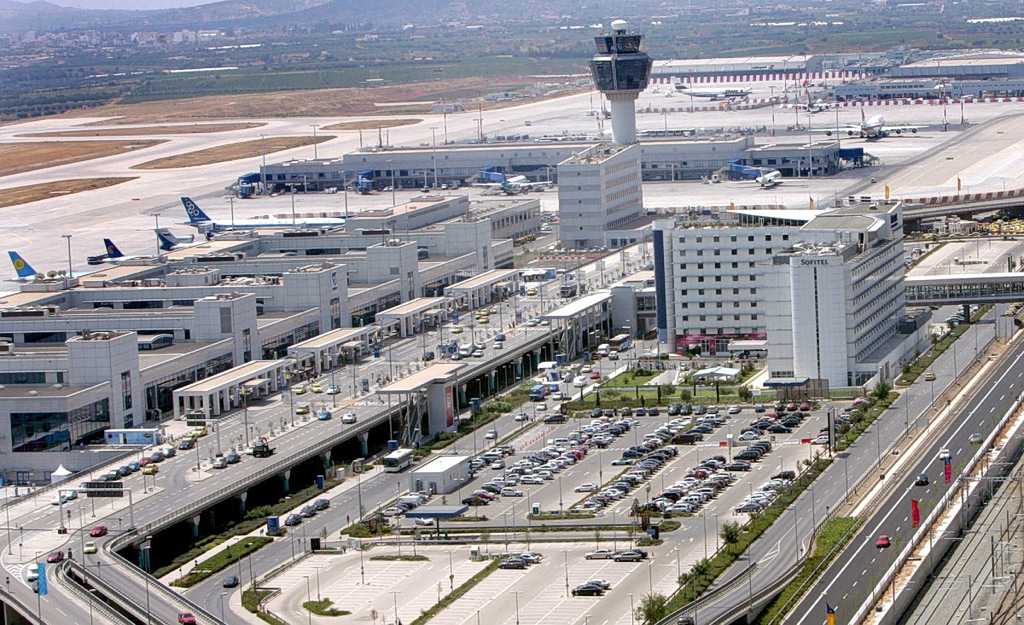
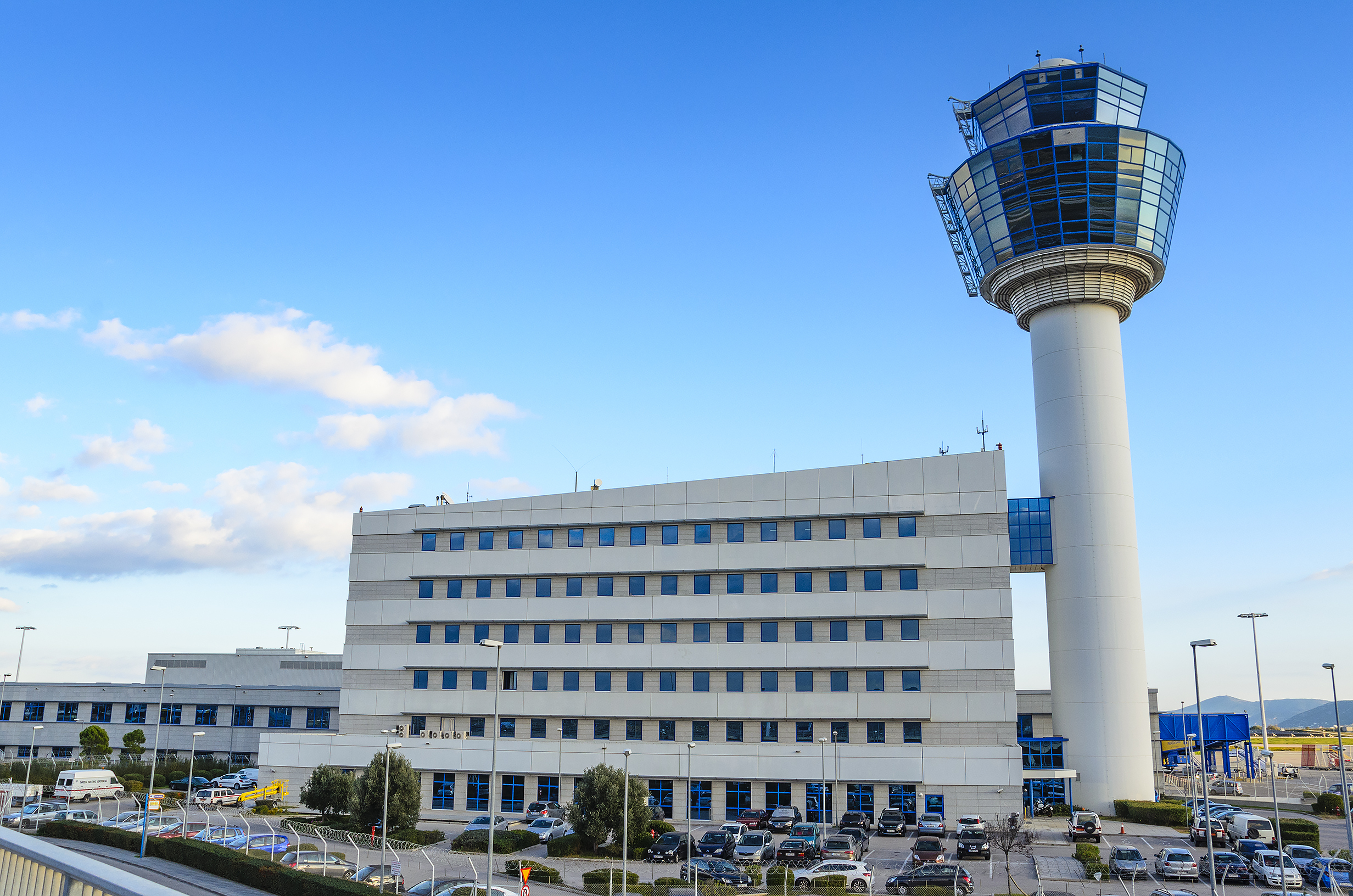
 Athens International Airport has been operating under reduced radar coverage since Thursday morning, after a data link failure cut off communication with a key radar station, according to Greece’s air traffic controllers.
In a statement, the Greek Air Traffic Controllers’ Association said contact was lost with the radar installation on Merenda Hill, a critical site supporting the Athens approach control unit. That unit manages aircraft arriving at and departing from the country’s busiest airport.
As a result of the outage, the airport has been functioning with only one of the three radar systems that are normally required. Controllers also said there are currently no backup radio frequencies available, raising concerns about operational resilience.
The association described the problem as ongoing.
Repeat of Previous Incident
According to the controllers, a similar loss of communication occurred last August. At that time, they said the failure was linked to a replacement component that had been under review by the Civil Aviation Authority since May 2024 but has still not been delivered.
The union also referenced a separate incident on Jan. 4, 2026, when there was a total loss of communications at the Athens Area Control Center, which handles en route flights across a large portion of Greek airspace.
Controllers said there has been no official briefing on the causes of that event. They added that no safety assessment has been completed and no updated traffic management guidelines have been issued in response. Airspace sector capacity, they said, remains set at 100%.
Concerns Over Delays and Costs
Beyond the latest outage, the association raised broader concerns about delays in equipment upgrades and procurement.
It pointed to a new radar system project, known as D.P.S., whose budget has reportedly increased to 160 million euros (about $173 million) from 76 million euros in 2024. According to the union, technical specifications for the system have yet to be presented.
The statement also referred to a contract for a voice communications system at the Athens Area Control Center that expired without the system being delivered. In addition, the planned relocation of the Athens approach control unit has reportedly been delayed due to the failure to appoint a committee to define operational specifications.
Possible Capacity Reductions
The association called on Greece’s political leadership and judicial authorities to intervene, citing what it described as a deteriorating state of infrastructure.
It warned that controllers are prepared to take measures if they deem it necessary for safety reasons, including reducing air traffic capacity. The union also said its members will not provide overtime during the upcoming summer season, a peak travel period for Greece.
“We are determined to take any action necessary to end the current mentality within the Civil Aviation Authority that has led it to decline, so that the country can have an air navigation service provider worthy of European standards,” the association said.