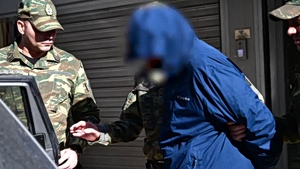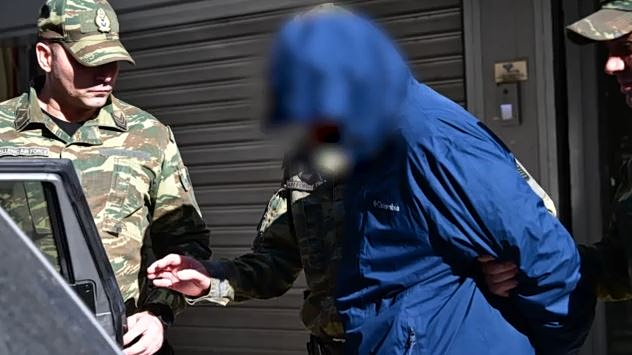
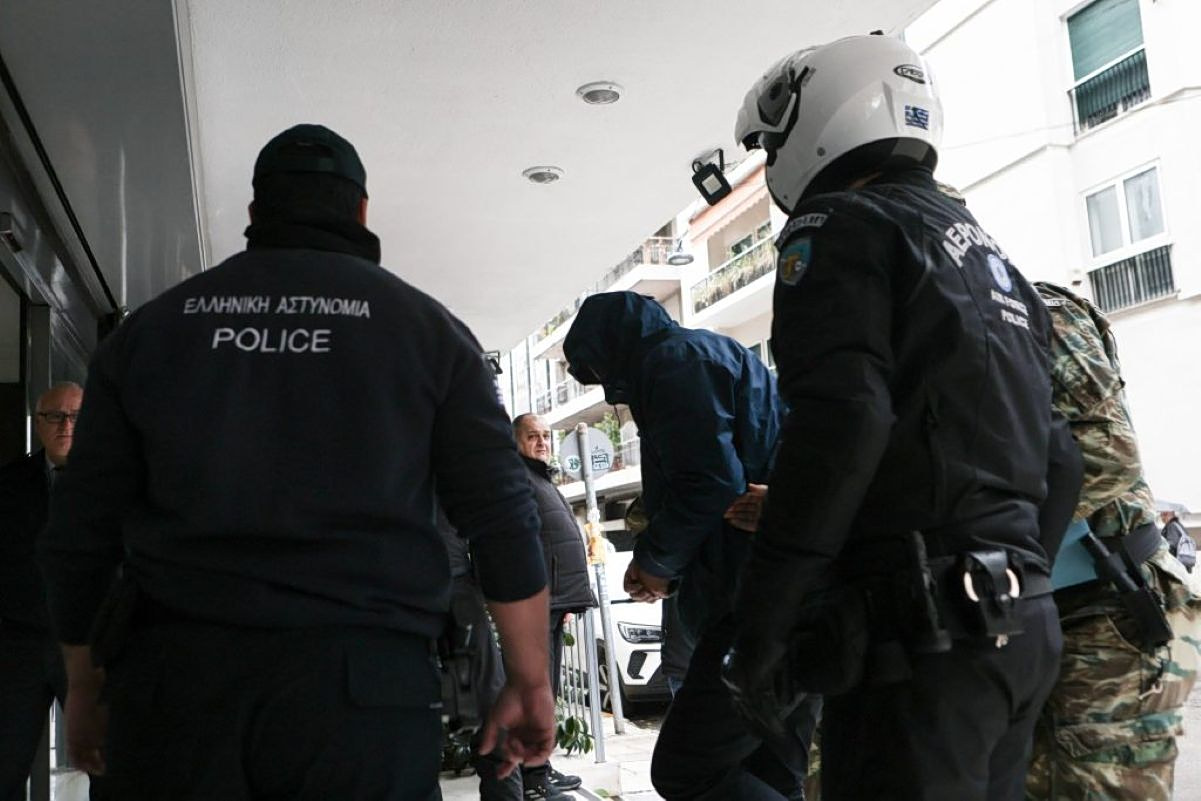
Greece enforces a particularly strict legal framework in cases involving espionage and the disclosure of military secrets by service personnel. In such instances—such as the recent arrest of the Air Force Officer—the Military Penal Code applies, governing crimes linked directly to a service member’s official duties.
The code provides heavy penalties for the collection, disclosure, or transfer of classified military information intended to harm national interests or benefit a foreign power.
Service members found guilty of gathering or transmitting defense-related secrets, or granting unauthorized access to them, face life imprisonment or a fixed-term sentence of at least ten years. If such acts occur during wartime or result in especially serious damage to national defense, life imprisonment becomes mandatory.
Criminal punishment is only part of the consequences. Pending trial, the accused is typically placed on suspension. A conviction leads to dismissal from the armed forces, loss of rank and military honors, forfeiture of related rights, and permanent removal from military service records.
Espionage convictions do not automatically lead to loss of Greek citizenship. Both the Constitution and the Code of Greek Citizenship impose strict safeguards, allowing revocation only in exceptional cases and through a separate administrative procedure rather than as a direct consequence of a criminal sentence.
In practice, citizens by birth almost never lose their nationality. While proceedings could theoretically be initiated against naturalized citizens in extreme circumstances, such cases are rare and legally complex. Even when espionage is judged to constitute a serious attack on national interests, citizenship loss requires a distinct legal process and does not follow automatically from conviction.
Nevertheless, a convicted individual effectively forfeits eligibility for public office and loses rights connected to military service, while carrying a lasting criminal record.
Although military courts handle such cases, authorities often also reference civilian Penal Code provisions on espionage. In the Air Force Officer’s case, potential penalties remain severe: depending on the scope of the offense, the damage involved, and proof of intent or cooperation with a foreign power, sentencing could exceed twenty years or extend to life imprisonment.