 Μake us preferred on Google
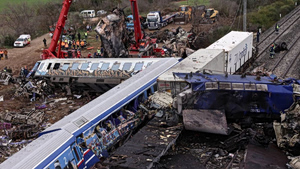
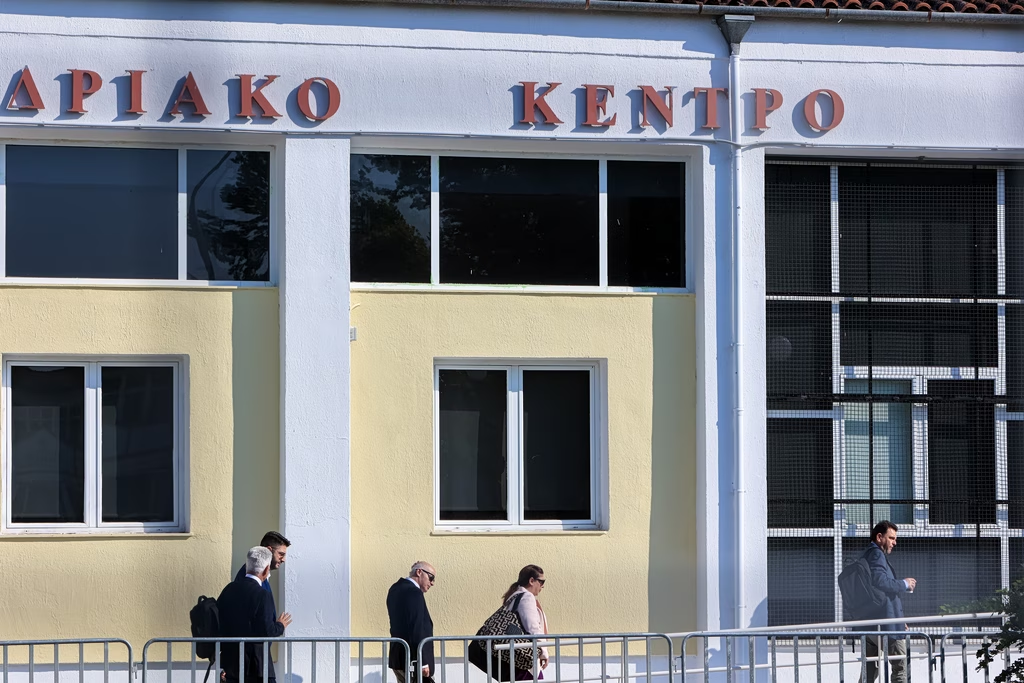
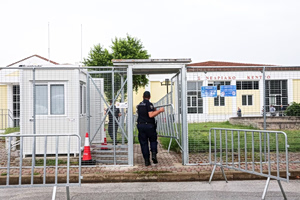
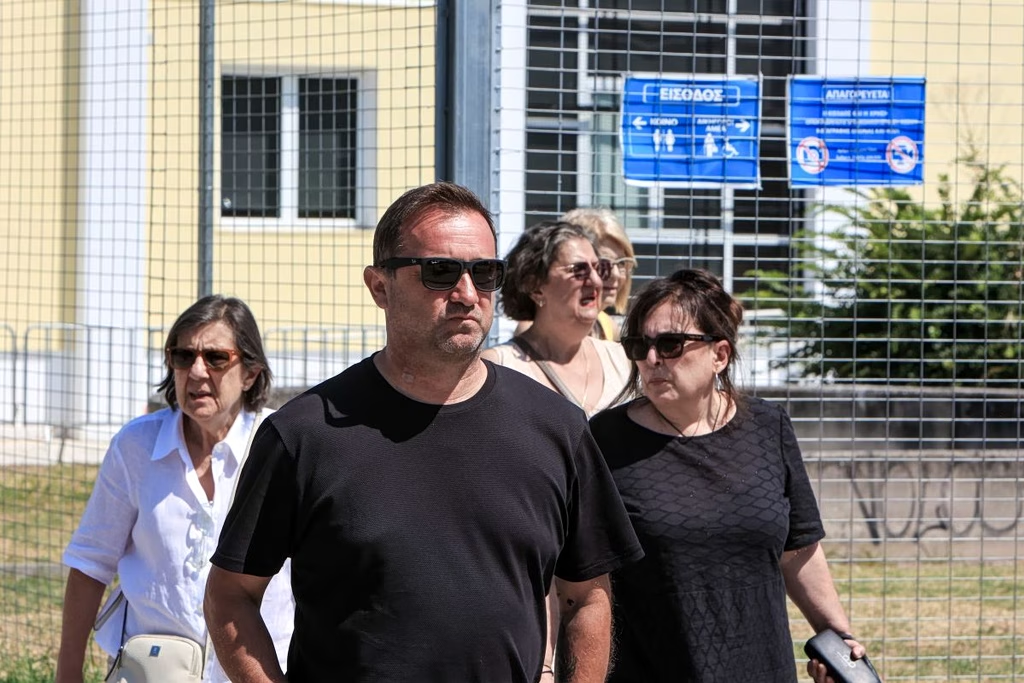
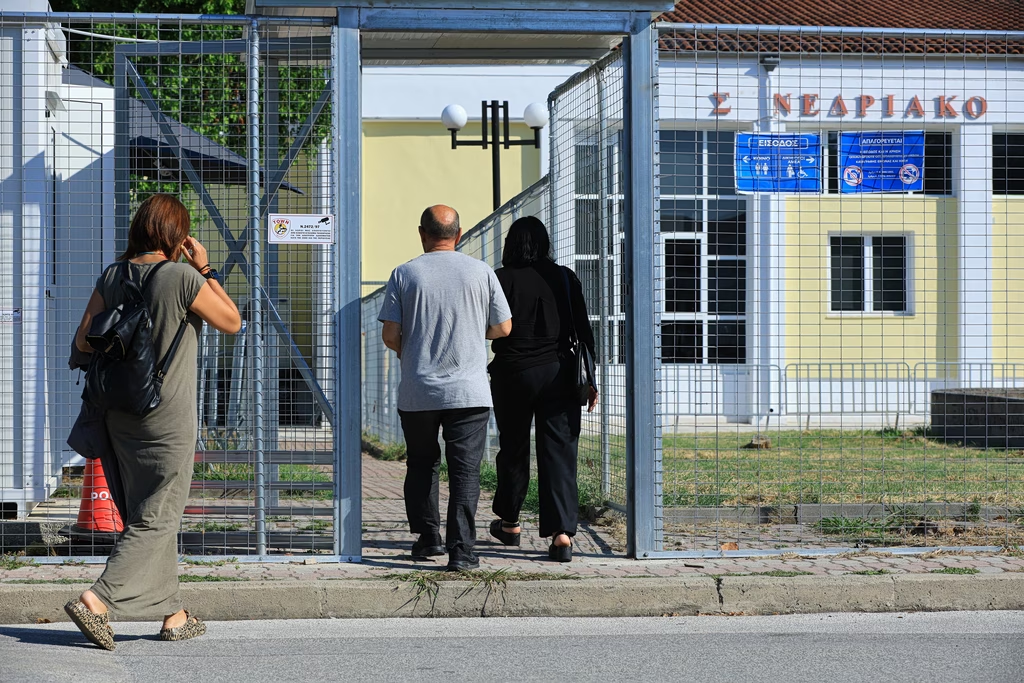
 The trial over Greece’s deadliest rail disaster resumed on Monday, with defendants continuing to present their legal arguments before the Larissa Court of Appeal for Felonies.
The proceedings focus on the 2023 Tempi train collision, one of the country’s worst transportation disasters, and involve 36 current and former officials from organizations responsible for the operation and oversight of Greece’s railway system between 2016 and 2023.
During the previous hearing, six defendants completed their submissions through their lawyers, including the station master on duty on the night of the crash and the former head of railway traffic inspection for the Larissa region.
Among those facing charges are three station masters and a railway inspector over decisions and actions taken at Larissa station before the collision. Prosecutors have also charged 11 officials from Greece’s national railway infrastructure operator over failures including the transfer of the station master, unresolved faults on the railway line, the absence of a second, more experienced station master during the night shift, and the failure to impose speed restrictions.
Sixteen executives and engineers from the state-owned company responsible for railway infrastructure projects are accused over the implementation of a contract to install signaling and remote-control systems on the rail network.
Two former executives of the train operating company also face charges related to the operation of the GSM-R railway communication system, while two officials from the Transport Ministry and the former head of the country’s railway regulator have been charged over failures in railway oversight and safety.
With the exception of two former train operator executives and one railway employee, the defendants face the felony charge of disrupting transport safety, an offense that carries a potential sentence of life imprisonment under Greek law.
During the latest hearing, lawyers for the defendants challenged key elements of the prosecution’s case. Counsel for the station master argued that his client did not act with criminal intent, maintaining that he believed other safeguards—including action by the passenger train’s driver—could have prevented the collision. The defense also pointed to the working conditions on the night of the accident, arguing that the station master was working alone at a major railway station, had limited experience, and lacked functioning safety systems.
The lawyer representing the railway inspector rejected the charges as unfounded, citing documents and letters his client had previously submitted warning about safety deficiencies and chronic understaffing across the rail network. The defense also argued that another station master ended his shift early, leaving the night-duty station master without assistance.
The inspector’s legal team additionally asked the court to refer a question to the Court of Justice of the European Union regarding whether the separation of related criminal investigations is compatible with EU law, given that the railway signaling contract remains under investigation by the European Public Prosecutor’s Office.