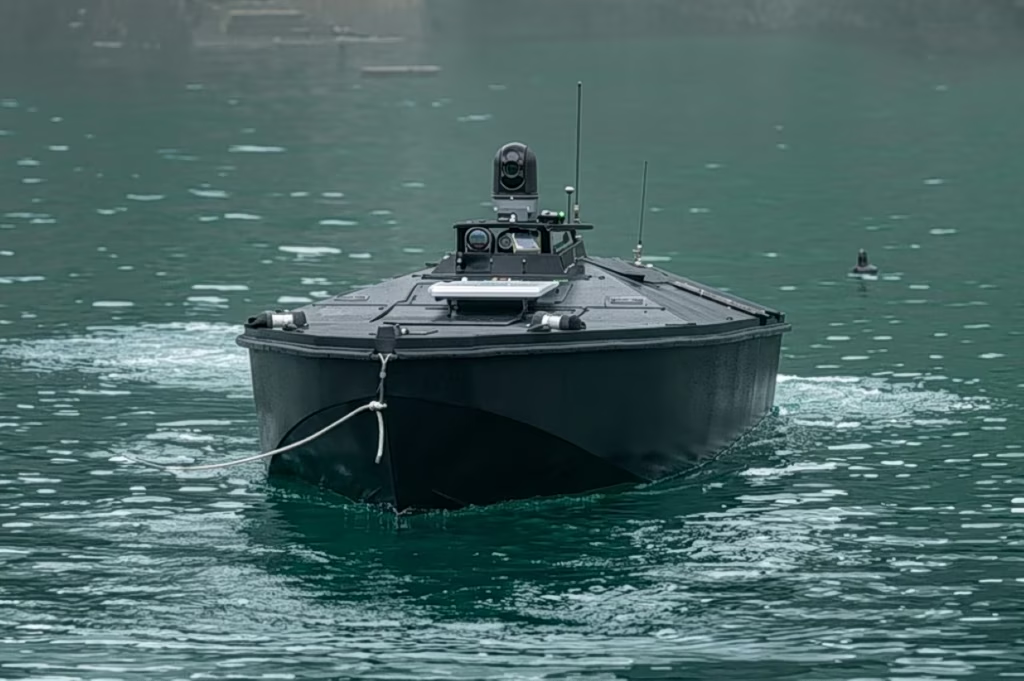
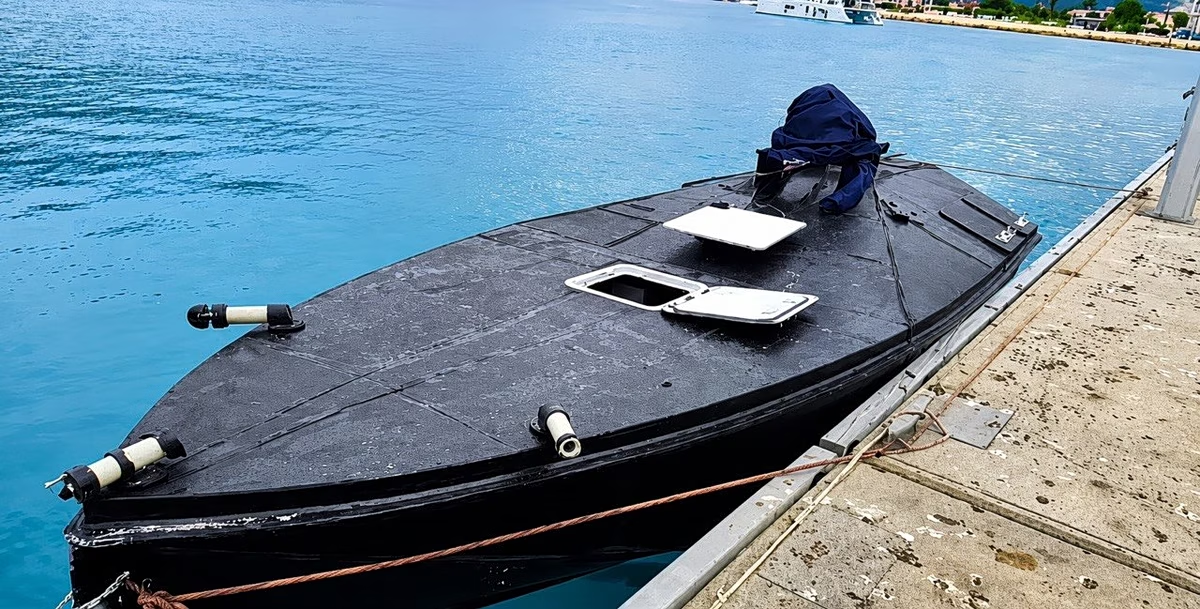
In a carefully coordinated operation off the coast of Astakos in western Greece, Navy explosive ordnance disposal experts successfully neutralized 100 kilograms (approximately 220 lbs) of explosives packed inside the suspected Ukrainian drone that had been discovered grounded in a sea cave near the island of Lefkada. Due to the extreme risk involved in transporting the payload, authorities chose to detonate it in a controlled explosion on site.
The bow cameras: a key detail
Among the most telling features of the vessel were three cameras mounted on its bow. According to sources, these cameras are typically used to record the moment of impact and generate propaganda footage — images of the collision and the resulting explosion. However, this particular drone had no onboard recording system or “black box,” since, as experts assess, its mission was entirely suicidal: to strike a target and be completely destroyed.
This means there are no stored data about the drone’s route, and no maritime tracking information to show where it traveled or what its intended target was. Investigators are now focusing on the drone’s radio transmission frequencies, using specialized technology in an attempt to pinpoint where it was launched from.
The two Bulgarian fishermen
A potentially decisive role in the investigation is played by two Bulgarian fishermen who first spotted the drone trapped in the cave and alerted Greek fishermen and authorities. Reports indicate the men were shouting “police, police” and gesturing to others nearby, and they apparently helped secure the vessel before it was towed away. Their statements are considered critical to the case, as investigators try to determine whether the discovery was purely accidental or whether there is more to the story of the drone’s journey.
A stealth weapon designed to be invisible
Experts who examined the craft before its payload was destroyed described a sophisticated autonomous weapon with the following specifications: it measured 5.5 meters (about 18 feet) in length, had a total payload capacity of 300–320 kilograms, and could reach speeds of up to 42 knots. It sat just one meter above the waterline and was painted black — designed to be invisible to radar and the naked eye at night. It was powered by a battery pack capable of covering long distances, and was equipped with GPS, antennas, and a high-resolution camera for navigation.
Where did it come from, and why Greece?
The fundamental finding of the investigation is that the drone is of Ukrainian manufacture. Its presence in the Ionian Sea is not considered coincidental. It fits into Ukraine’s broader strategy of extending its hybrid war against Russia, historically fought in the Black Sea, into the Mediterranean. Ukraine’s primary maritime targets in these waters are vessels belonging to what is known as Russia’s “shadow fleet”: oil tankers operating in international waters to circumvent sanctions. Similar incidents were recorded in 2025 between Libya and Crete, and more recently off the coast of Malta.
Diplomatic discomfort
The discovery of a fully armed Ukrainian drone in a popular tourist destination like Lefkada has caused significant alarm in Athens. The Foreign Affairs Council is treating the matter seriously, as such weapons pose a direct threat to commercial shipping and energy infrastructure in the region. Greece has already expressed its displeasure toward Kyiv, particularly following a previous attack on a Greek-owned vessel in Novorossiysk, Russia. The leading theory on how the drone reached the Ionian Sea is that it was deployed from a “mother ship” somewhere in the area.
Defense minister plays it down
Greek Defense Minister Nikos Dendias struck a reassuring tone when commenting on the incident at a New Democracy party pre-congress event in Thessaloniki. He said that Greece knows what the vessel is and roughly what it contains, and that the country is developing its own capabilities to produce and equip its Navy with advanced drones and anti-drone systems. He left unanswered, however, the questions of how exactly the drone ended up in Greek waters and who is responsible for its presence there.