Lawmakers clash over fuel subsidies, tax cuts, and support for vulnerable households as the greek government attempts to tackle rising energy costs linked to the Middle East war.
EU ministers rule out fiscal flexibility despite rising energy costs, forcing countries like Greece to rely on limited national budgets as inflation risks intensify
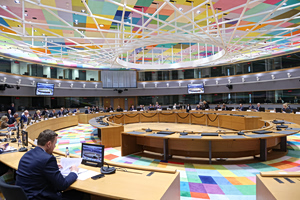
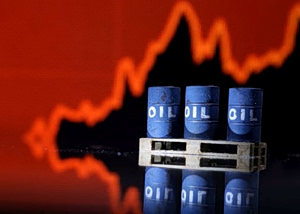
Eurozone finance ministers hold emergency talks as oil tops $100, driving up costs for households and businesses and raising concerns over a new inflation cycle and the bloc’s ability to respond in time.
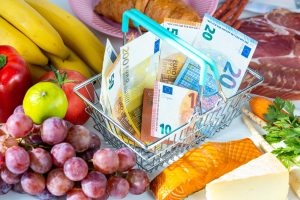
Higher energy, raw material, and transport costs linked to the Middle East conflict are pushing up fertilizer prices and driving noticeable increases in fruit and vegetable prices across Greek markets.
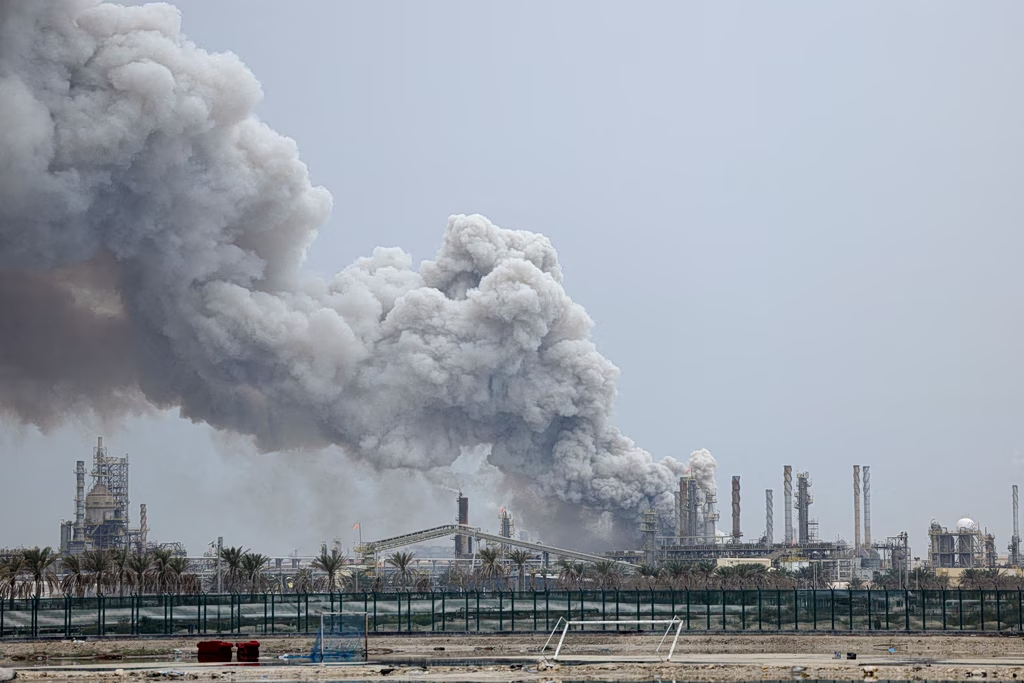
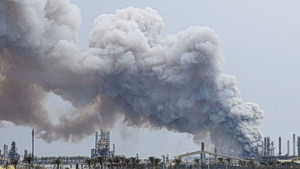
Damage to over 40 energy projects across nine countries threatens global fuel supplies, with Asia facing the brunt and urgent international coordination needed to stabilize markets
The Prime Minister outlined a 300 million euros support package covering April and May, focused on four key areas.
Amrita Sen, founder of Energy Aspects, was also cited as warning that the situation clearly pointed to further escalation and, consequently, higher oil prices, while cautioning that assumptions Iran might back down were misplaced.
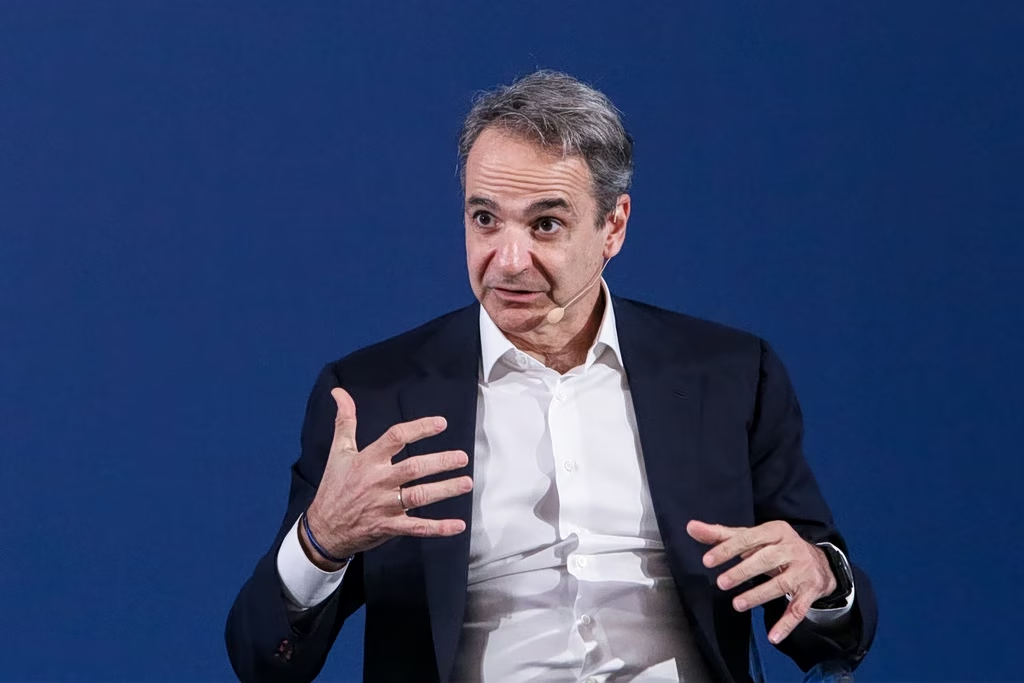
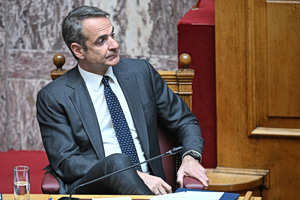
Europe, Mitsotakis argued, must equip itself with a targeted “toolbox” capable of providing temporary support to households and businesses, shielding them from the risk of a renewed energy crisis.
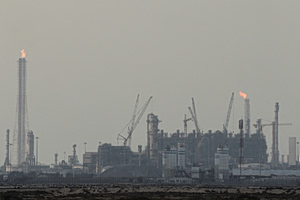
In an interview with Reuters, QatarEnergy CEO Saad al-Kaabi warned that the damage from recent Iranian attacks could force the company to declare force majeure on long-term LNG contracts to Italy, Belgium, South Korea and China
A package of 25 measures targets vulnerable households and small businesses, focusing on energy efficiency, social housing and cleaner transport, with implementation set to begin in 2026
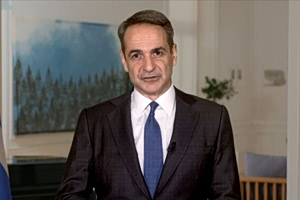
Prime Minister Kyriakos Mitsotakis says a new measure to reduce electricity prices for businesses will be announced in the coming days, responding to industry demands amid rising global energy costs.
One cannot claim to be the guarantor of stability while simultaneously hunting out opportunities to stir things up
The government prepares to defend temporary profit caps on fuel and supermarket goods as lawmakers debate the measure this week amid rising inflation concerns
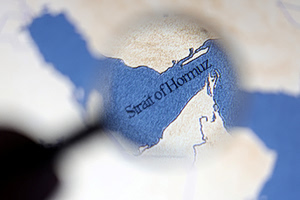
A coordinated release of 400 million barrels from strategic stockpiles aims to ease soaring prices and supply disruptions linked to attacks affecting energy flows through the Strait of Hormuz
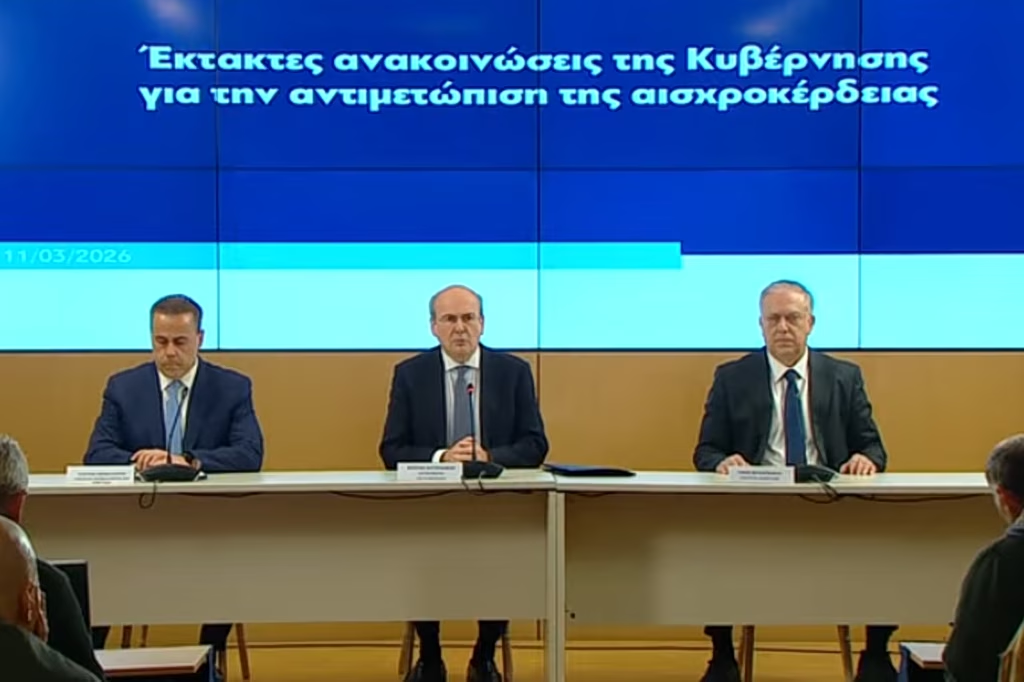
The government imposed temporary limits on profit margins for fuel, food and essential products until June 30, aiming to prevent price gouging amid economic pressures linked to the Middle East conflict
The greek government will impose a three-month cap on profit margins for fuel and supermarket goods to prevent price gouging linked to the Middle East crisis. The government will present the detailed measures later today.
Over the weekend Kuwait began cutting production, the latest regional supplier to rein in output after Iraq and Qatar
Energy Minister Stavros Papastavrou warns the Middle East war is already pushing up fuel prices in Greece, says intervention could come if oil hits $100 a barrel and notes the country holds more than 90 days of reserves.
A halt in Qatari LNG production is rattling global energy markets, and Greece, which is heavily dependent on imported fuel, could potentially face rising inflation, a wider trade deficit, and slower growth.
Rising refining margins and higher aluminum prices, linked to tensions in the Middle East, could strengthen prospects for Greece’s energy and metals sectors, according to analysis from Optima Bank.