The government is on alert over fuels and natural gas, with price increases at the pump starting tomorrow – Even the convening of a Crisis Management Task Force is on the table.
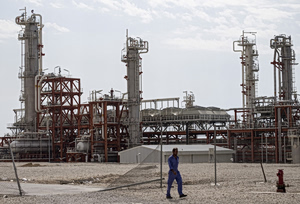
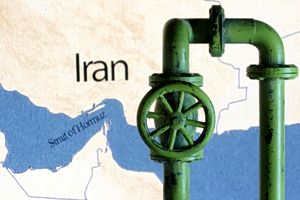
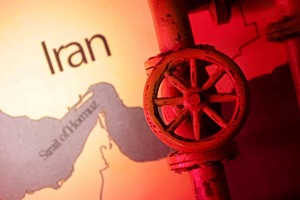
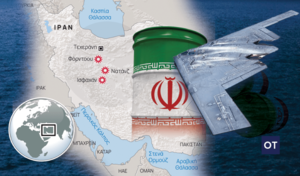
Drone strikes and escalating military exchanges have forced precautionary shutdowns of major oil and gas facilities in Qatar, Saudi Arabia, Iraq and Israel, disrupting exports and jolting global markets.
Unlike the brief 12-day war of June 2025, the current crisis risks broader regional escalation. If more Gulf states are drawn in, oil prices could remain elevated for an extended period.
Washington is urging Brussels to accelerate regulatory approvals and infrastructure funding ahead of a March 3 meeting seen as pivotal for Southeast Europe’s gas corridor and Greece’s role as a regional energy hub.
The foundations were laid in Athens last November. This week in Washington, Greek officials believe they began building upward.
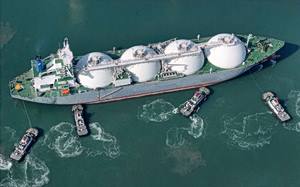
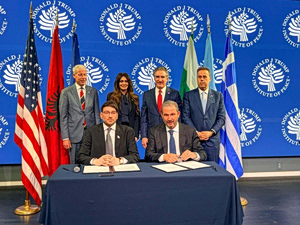
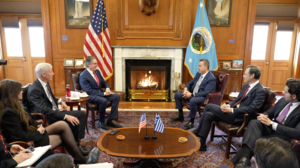
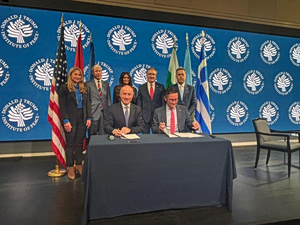
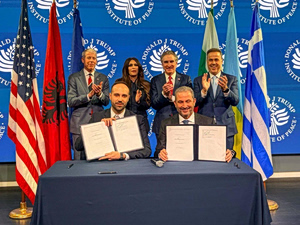
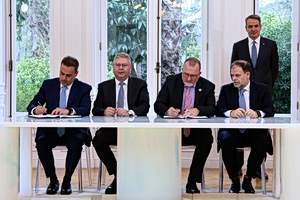
Signed during the Transatlantic Gas Security Summit, the five-year deal outlines annual LNG supply and trading volumes of up to 1 bcm starting in 2027, with deliveries to key regional import terminals.
Long-term U.S. LNG agreements with Balkan and Ukrainian partners signal a new phase in transatlantic energy cooperation, elevating Greece’s role in the Vertical Gas Corridor and reshaping supply routes in Southeast Europe
Greece is making a new argument about its place on Europe’s energy map: that geography, long viewed as peripheral, can become strategic power.
On Tuesday, Feb. 24, the minister is scheduled to take part in the Transatlantic Summit on Natural Gas Security and the Vertical Corridor.
Greece will no longer bankroll the aggressor and must accelerate efforts to phase out Russian fossil fuels, Energy and Environment Minister Stavros Papastavrou said in an interview with the Financial Times, as Athens positions itself at the center of Europe’s post-Russian energy strategy. “We are not going to keep funding the aggressor,” Papastavrou said. “More […]
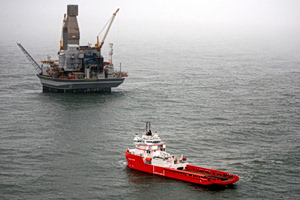
The Greek government doubles its offshore exploration area through a partnership with Chevron and Helleniq Energy, aiming for long-term energy production, economic benefits, and strengthened European energy security
A series of hydrocarbon drilling operations in Greece from 2027 to 2032
Energy, diplomacy and sovereign rights: Greece–Chevron are changing the balance in the Eastern Mediterranean
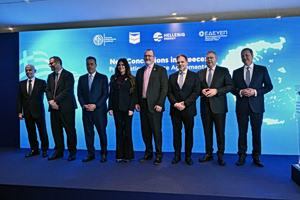
The U.S. oil major will sign four hydrocarbon exploration concessions in Athens, deepening American involvement in Greece’s energy sector and linking offshore ambitions to broader LNG and geopolitical strategy
Despite years of diplomatic backing, the corridor continues to face structural challenges. Capacity auctions have not guaranteed stable volumes. Transit fees, layered across multiple countries, steadily erode its price competitiveness
Greece advances an offshore exploration partnership with Chevron while negotiating a long-term LNG supply deal, as U.S.-hosted talks on the Vertical Corridor
In an article for Foreign Policy, Greece’s energy minister calls for faster LNG investment, regulatory harmonization and deeper U.S.-EU integration to turn the Vertical Corridor into a pillar of Europe’s post-Russian energy system.
DESFA’s latest auction allocated nearly all available LNG unloading and regasification capacity at the Revithoussa terminal for the 2026–2040 period, with several delivery years already fully booked
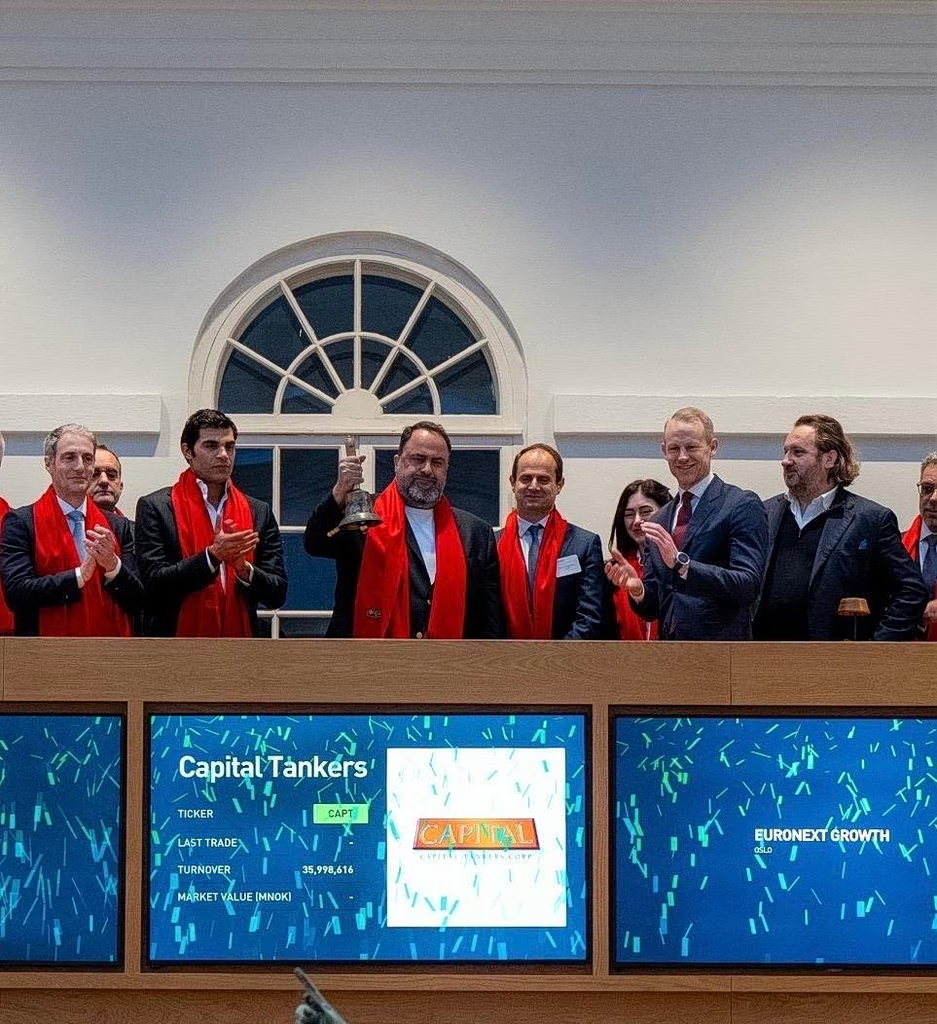
Gerasimos Kalogiratos, CEO of Capital Clean Energy Carriers, on the company’s historic transformation and its energy transition goals
A White House meeting and a first LNG sale to Ukraine signal firm political backing for the Vertical Corridor, even as weak auction results and EU concerns over energy dependence cast doubt on the project’s commercial path