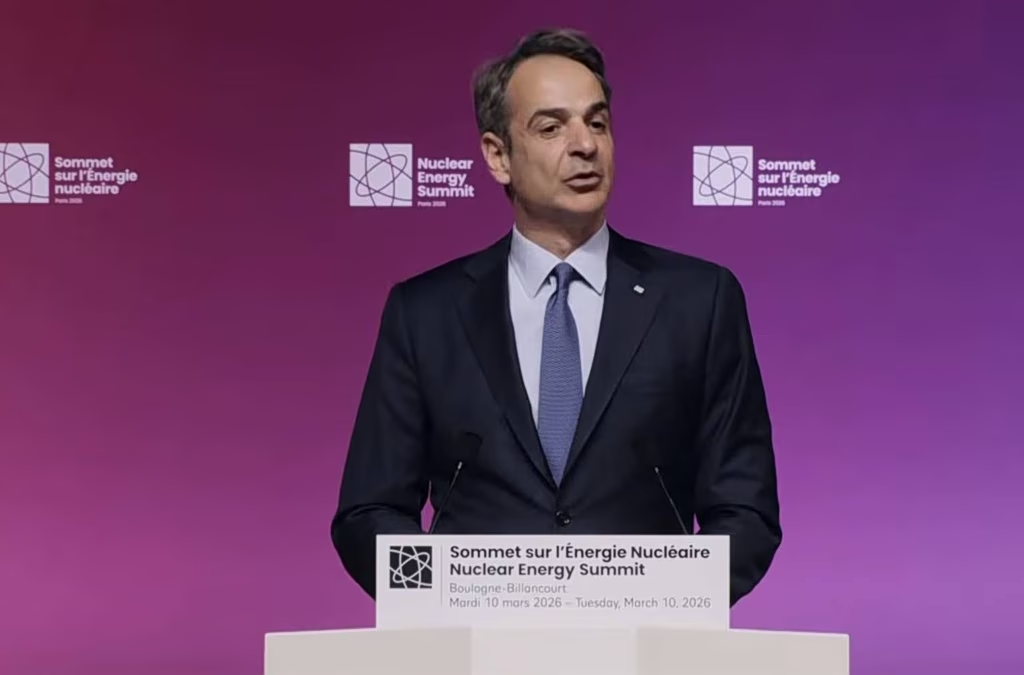
Prime Minister Kyriakos Mitsotakis outlines plans to explore small modular reactors and nuclear power for Greece, highlighting their role in meeting rising electricity demand and supporting shipping and technology sectors
Leaders from 41 countries, including Greece, gather in Paris to discuss nuclear energy’s role in carbon-free power, innovation, and financing, with a focus on European independence and industrial competitiveness
The Finnish government plans to amend its 1987 law, allowing NATO nuclear weapons on Finnish soil during wartime
France to expand nuclear arsenal and deploy “forward deterrence” with European allies, aiming to bolster continental security amid global conflicts and rising threats
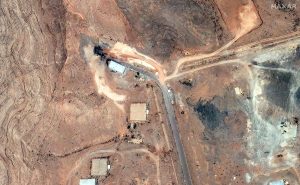
Moscow and Beijing reject U.S. claims of covert nuclear activity, as Washington pushes for a new arms control pact including both nations
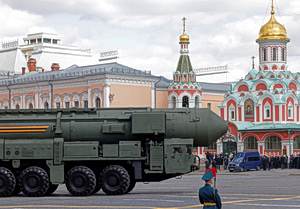
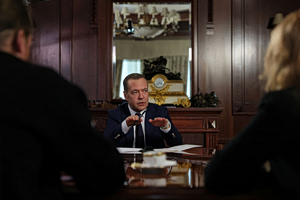
Moscow pledges to maintain missile and warhead restrictions under the New START treaty, stressing compliance is conditional on Washington, amid concerns of a potential three-way arms race with China
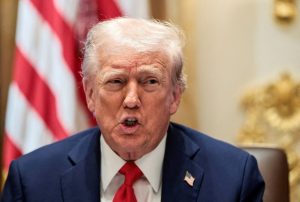
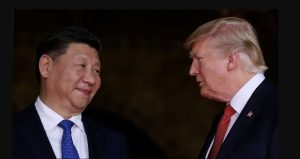
The U.S. president dismissed Russia’s proposal for a one-year extension of nuclear warhead caps after New START expired, calling instead for a broader, modern treaty that would include China
With the U.S.-Russia New START treaty expiring on February 5, the two nuclear powers face a world without limits on long-range warheads, prompting fears of an unregulated arms race while both sides weigh next steps
Russia’s Security Council deputy chief says the end of New START would leave the world’s largest nuclear powers without limits for the first time since the 1970s, urging global concern over potential risks
With the New START treaty set to expire February 5, Trump has yet to respond to Putin’s offer, raising fears of unrestrained nuclear buildup amid China’s growing arsenal
Key treaties are set to expire and diplomatic divisions are deepening, raising concerns among experts that the international framework limiting nuclear weapons could weaken further amid growing geopolitical tensions.
After a decadeslong hiatus, nuclear weapons surge back to the forefront of global politics
The head of the Comprehensive Nuclear-Test-Ban Treaty Organization (CTBTO) warns that any nuclear test undermines global peace and non-proliferation efforts, calling on world leaders to collaborate for a nuclear-test-free world
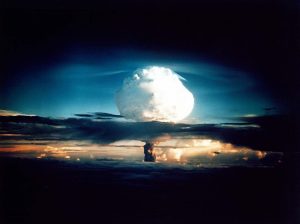
The U.S. president directs an immediate restart of nuclear weapons testing after a 33-year pause, citing China’s arsenal expansion and Russia’s recent missile and torpedo trials
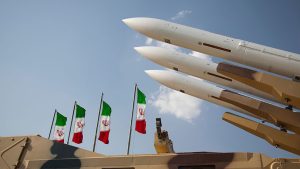
Tehran seeks Russian support for new reactors ahead of possible UN sanctions snapback, while Putin offers to extend a key nuclear treaty in a bid to reshape ties with Washington
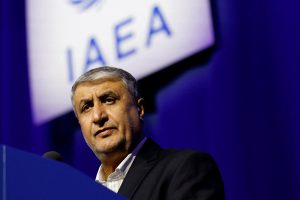
Tehran and the UN’s nuclear watchdog have agreed on a new framework to resume inspections at Iranian nuclear facilities, months after cooperation was suspended following Israeli and US strikes in June. Both sides hailed the deal as a step forward
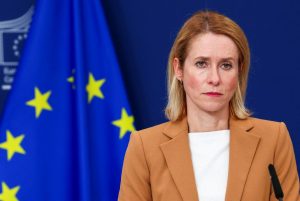
EU foreign policy chief Kaja Kallas met Iran’s foreign minister in Doha as European powers press Tehran to address concerns over its nuclear program or face the reimposition of international sanctions
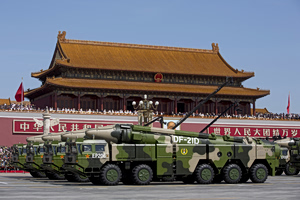
Beijing rejected calls to join Washington and Moscow in nuclear arms talks, stressing its smaller arsenal, defensive doctrine, and refusal to enter an arms race
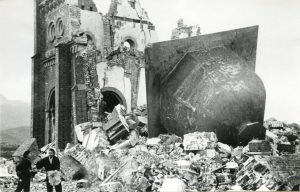
On August 6 and 9, 1945, the first nuclear weapons were unleashed on Japan’s cities—shattering lives instantly and reshaping history. Seventy-eight years later, we revisit their devastation, the scientific motives, and lingering moral questions.
Trump’s claims of crippling damage don’t address whether Tehran moved a stockpile of highly enriched uranium