Greece’s mountain and semi-mountain tourism sector finds itself at a critical juncture just days before the peak of the festive season, as ongoing farmers’ protests and blockades on major road arteries disrupt travel across the country.
While advance bookings for popular mainland destinations had pointed to occupancy rates of between 75% and 100% for Christmas and New Year, the closures of national highways are now triggering cancellations, freezing new reservations and heightening uncertainty among travelers.
According to hotel industry representatives, there has not yet been a widespread wave of cancellations for the holiday period, as many travelers are adopting a wait-and-see approach. Cancellations were recorded in the days leading up to the holidays, but, as hoteliers note, “the phone is not ringing” for new bookings.
This week is critical for the winter season. Industry players warn that continued protests could drive Greek holidaymakers to cancel or choose other destinations. In Trikala, Pelion and Lake Plastiras, cancellations have already reached 30%, with conferences and excursions canceled, causing losses of hundreds of thousands of euros.
The Panhellenic Federation of Hoteliers (POX) has voiced serious concerns in a letter to key ministers, noting that while it supports farmers’ demands, protest actions should not place disproportionate burdens on other sectors of the economy.
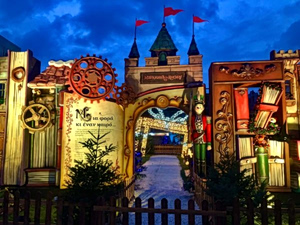
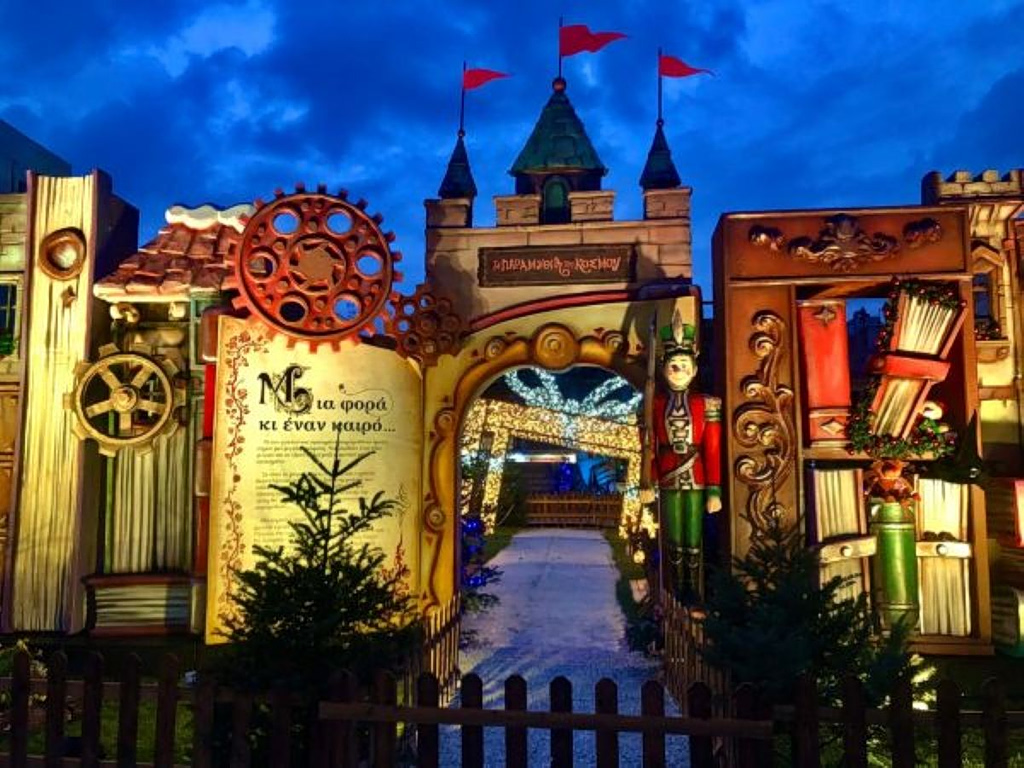
The situation is especially serious in Trikala, where the “Mill of the Elves,” a key winter tourism attraction, is facing mass cancellations. Speaking ον Parapolitika 90.1 radio, Trikala Hoteliers Association president, urged farmers to reopen the roads.
Concern is also rising in Magnesia. On Saturday afternoon, Dec. 13, the Magnesia Hoteliers Association held an emergency teleconference with local MPs, unanimously calling for the immediate reopening of roads, stressing that “one sector cannot create a problem for another.”