
 Μake us preferred on Google
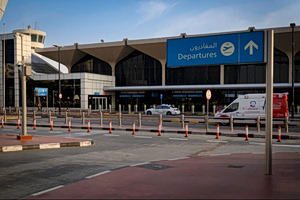
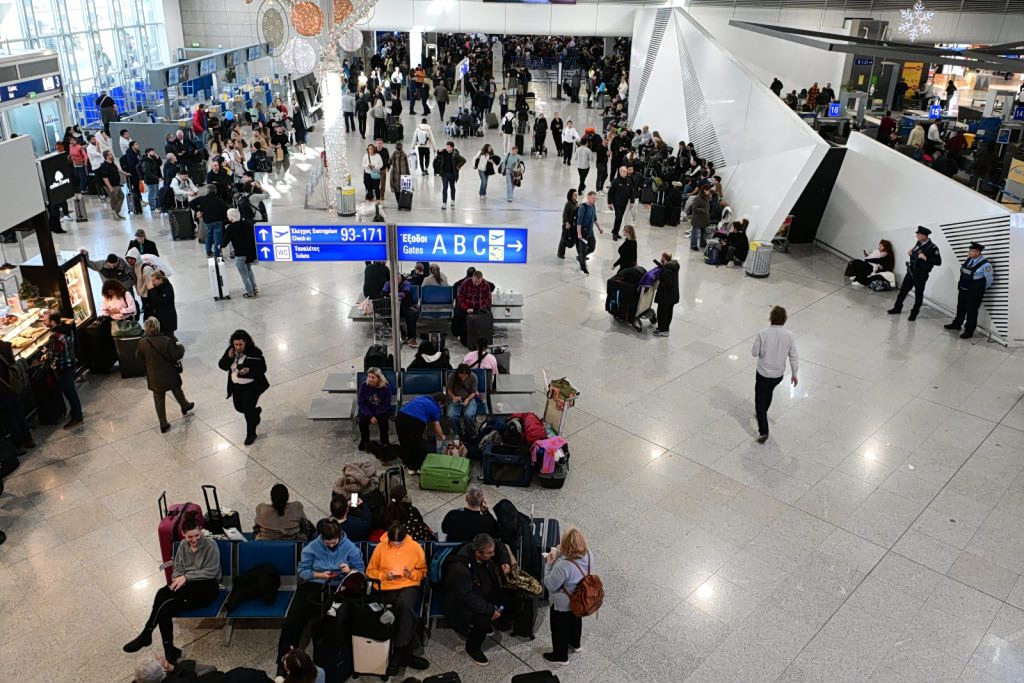
 Flight disruptions linked to escalating tensions in the Middle East are continuing to impact travel to and from Greece, as airspace closures and security concerns ripple across global aviation networks.
For Greek travelers, authorities have activated multiple emergency hotlines to provide consular assistance to those affected by the disruptions. Officials are urging citizens to stay in close contact with airlines and travel agencies, as conditions continue to change rapidly.
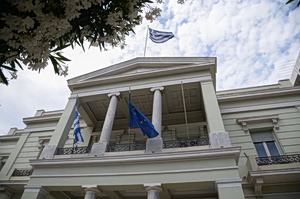
The Greek Foreign Ministry has activated ten emergency lines. Travelers can call any of the following numbers: +30 2103685730, +30 2103681000, +30 2103681730 and +30 2103681350.
For those currently in the UAE there are three additional lines at the number +30 2103685700.
Wider Disruptions
The disruption follows recent U.S. and Israeli military strikes on Iran, which prompted the immediate closure of large sections of Middle Eastern airspace. The move has triggered a chain reaction of cancellations and rerouted flights worldwide, affecting thousands of passengers.
According to aviation data, around 3,000 flights have been canceled since the weekend, while dozens more were forced to change course shortly after the strikes began. Ongoing instability in the region, including retaliatory actions, continues to affect flight paths and airline schedules.
Major international hubs in the Middle East have been hit particularly hard, causing widespread disruption to connecting flights between Europe, Asia, Australia, and the Americas. As a result, passengers have been stranded across multiple continents, with global travel networks under significant strain.
Airlines are now facing complex logistical challenges as aircraft and crews are scattered across different regions. Some long-haul aircraft remain grounded, while others are positioned far from their home bases, complicating efforts to resume normal operations.
Several carriers have suspended ticket sales for affected routes, prioritizing the return of passengers already holding tickets. Many airlines have also introduced flexible travel policies, allowing customers to change bookings without additional fees. Additional emergency flights may be scheduled once airspace restrictions are lifted.
Uncertainty remains over when normal flight operations will resume. Experts say the timeline will depend largely on the stabilization of airspace in the region and airlines’ ability to reorganize their fleets.
Travel insurance is unlikely to cover disruptions tied to ongoing military conflicts unless policies were purchased before the crisis began. As the situation evolves, global air travel continues to operate under emergency conditions, with Greece among the countries feeling the impact.