Μake us preferred on Google

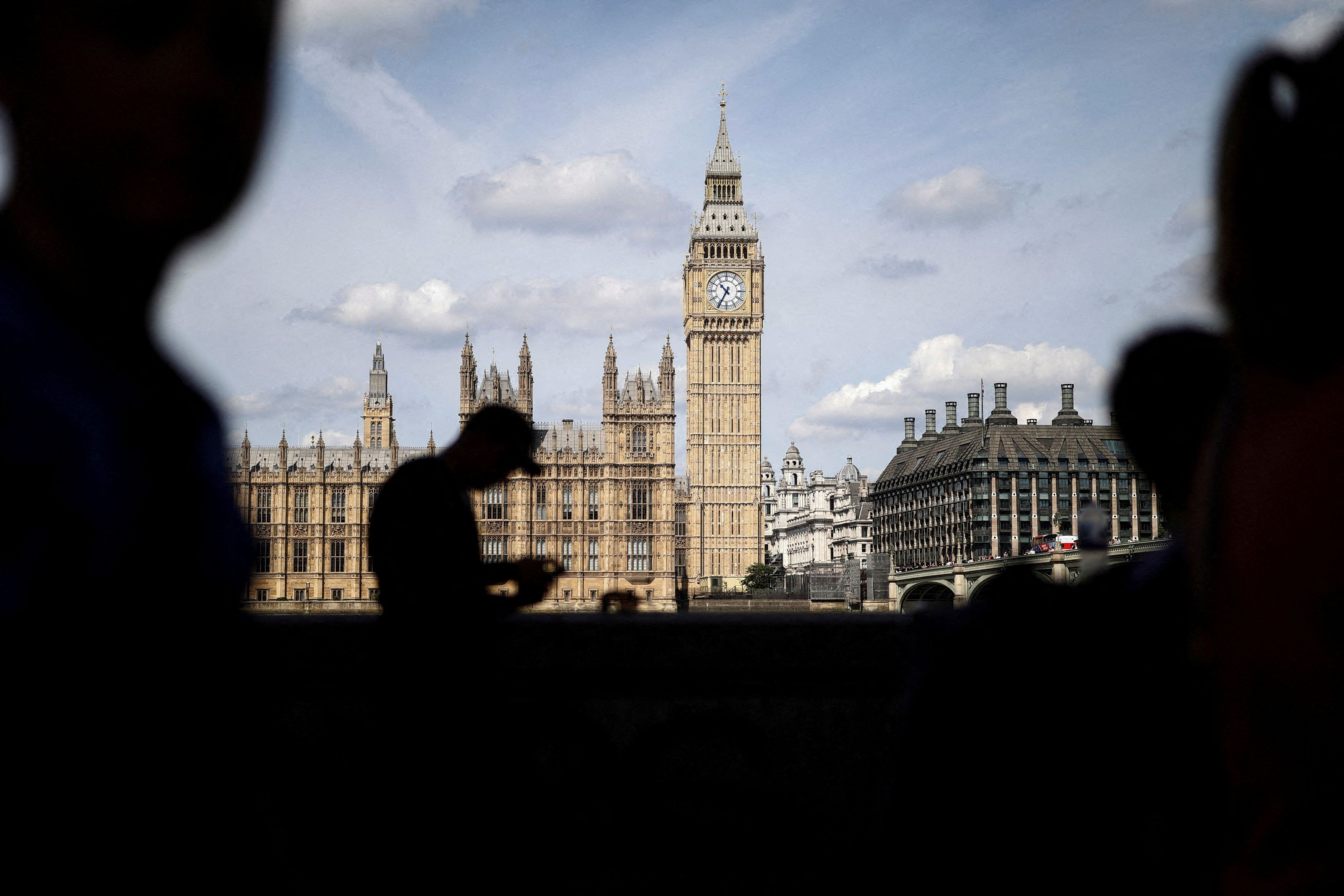
Britain is heading toward another change of leadership as Prime Minister Keir Starmer announced he would step down on Monday, opening the way for the country to have its seventh prime minister in just 10 years.

Starmer’s departure comes a decade after the Brexit referendum, a vote that reshaped British politics and triggered a prolonged period of instability. Since then, successive governments have struggled with economic challenges, low growth, high debt levels and rising pressure over public services and immigration.

The leadership change adds another chapter to Britain’s recent political turbulence, with the country having moved through several prime ministers since voters chose to leave the European Union in 2016.

Brexit vote begins a decade of political upheaval

The current period of political instability began in June 2016, when Britons voted 52%-48% to leave the European Union. The result led Prime Minister David Cameron to resign, and the Conservative Party selected Theresa May as his successor.

NEWSLETTER TABLE TALK

Never miss a story.
Subscribe now.

The most important news & topics every week in your inbox.

In 2017, May called a snap election in an attempt to strengthen her position in parliament and advance Brexit legislation. Instead, the Conservatives lost their majority and were forced to rely on a deal with Northern Ireland’s Democratic Unionist Party.
May eventually resigned in 2019 after failing to resolve parliamentary divisions over Brexit, paving the way for Boris Johnson to become prime minister. Johnson, one of the leading figures in the Brexit campaign, won a large Conservative victory in December 2019 after campaigning on the promise to “Get Brexit Done.” Britain formally left the European Union on January 31, 2020.

Johnson, Truss and Sunak years add to instability

Johnson led the country through the COVID-19 pandemic but faced mounting criticism over a series of scandals and political controversies. In July 2022, a ministerial revolt forced him to step down.

Liz Truss succeeded him in September 2022 but lasted only 44 days after her government’s “mini-budget” of unfunded tax cuts unsettled financial markets and pushed borrowing costs higher.
Rishi Sunak then became Britain’s third prime minister in just three months, promising to restore stability. His government focused on economic issues, illegal immigration and the health system, while also reaching a trade agreement with the European Union on Northern Ireland rules in 2023. Sunak called a general election in May 2024 while trailing Labor in opinion polls. The election brought Labor leader Keir Starmer to power in July 2024.

Starmer’s rise and fall

After winning a landslide victory, Starmer promised to end the political chaos of previous years. However, shortly after taking office, he warned that Britain’s financial situation was worse than expected and that conditions would become more difficult before improving.

Labor’s first budget under Finance Minister Rachel Reeves included £40 billion ($52.76 billion) in annual tax rises, mainly through higher employer social security contributions. The measures increased pressure on the government from businesses and voters.
By 2025, support for Nigel Farage’s Reform UK party had increased, with the right-wing anti-immigration party overtaking Labor in national opinion polls.
Starmer also faced internal challenges. In June 2025, he reversed planned welfare cuts after opposition from Labor lawmakers. Pressure intensified after controversy surrounding the appointment of Peter Mandelson as ambassador to Washington and his later dismissal over links to the late sex offender Jeffrey Epstein.
Further setbacks followed in 2026, when Labor suffered heavy losses in local elections. Health Minister Wes Streeting resigned in May, saying he had lost confidence in Starmer’s leadership, while Defense Minister John Healey stepped down in June amid a dispute over defense spending.

Andy Burnham emerges as possible successor

The possibility of a leadership change gained momentum after Andy Burnham, the mayor of Greater Manchester, won a parliamentary election in June 2026 and defeated a candidate from Reform UK.
Burnham’s victory strengthened calls among Labor lawmakers for a new leader, with supporters arguing that his communication skills could help revive the party’s fortunes.
If Burnham succeeds Starmer, he would become Britain’s seventh prime minister since the Brexit referendum — a period of leadership turnover described as the highest in nearly two centuries.
However, a new government would inherit significant challenges, including high borrowing costs, economic pressure, public dissatisfaction and questions over how to respond to Britain’s wider political and financial problems. Starmer’s resignation marks the latest turning point in a decade defined by repeated leadership changes and ongoing debate over the country’s future direction.