 Μake us preferred on Google
 Pro-Russian former president Rumen Radev has won Bulgaria’s parliamentary election by a landslide, according to official results, in a vote that could reshape the country’s political landscape and its approach to the European Union and NATO.
Radev’s Progressive Bulgaria party secured 44.7% of the vote with 91.7% of ballots counted, placing it far ahead of its rivals. The pro-European We Continue the Change–Democratic Bulgaria coalition received 13.2%, while the long-dominant GERB party, led by former prime minister Boyko Borissov, gained 13.4%.
The result marks one of the strongest performances for a single party in Bulgaria in decades and may bring an end to years of political instability that saw eight elections in five years.
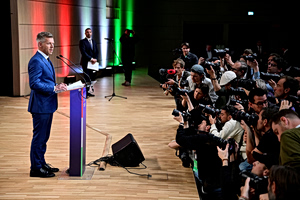
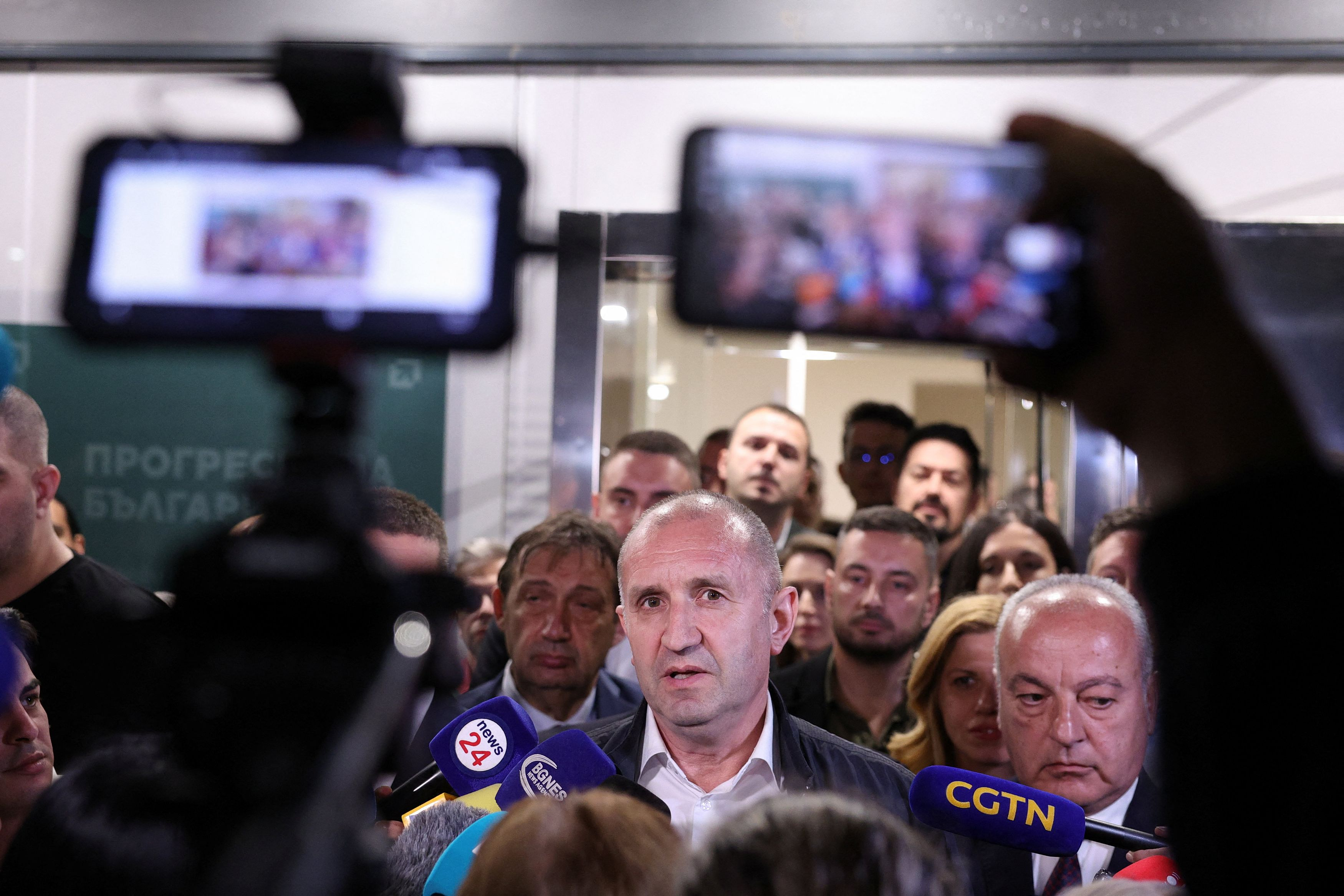
“This is a victory of hope over distrust, a victory of freedom over fear, and finally, if you will, a victory of morality,” Radev said at a press conference late on Sunday.
Radev, a former fighter pilot and eurosceptic, has been critical of military support for Ukraine in its war with Russia. He stepped down from Bulgaria’s largely ceremonial presidency in January to enter the election race following mass protests that forced out the previous government in December.
His campaign tapped into widespread public frustration over corruption, economic pressures, and repeated political deadlock in the Balkan nation of 6.5 million people.
“There is now an opportunity for the things people have been hoping to see change to actually become visible,” said Evelina Koleva, a Sofia-based digital marketing manager to Reuters.
Despite the decisive victory, questions remain over Bulgaria’s foreign policy direction. Radev has previously called for closer ties with Moscow and suggested resuming the flow of Russian oil and gas into Europe, drawing comparisons with Hungary’s Viktor Orban. He has also criticised the European Union’s energy policies.
Bulgaria joined the eurozone in January, a move Radev had opposed. However, analysts do not expect him to reverse euro adoption or block broader EU support packages for Ukraine.
On Sunday, Radev said he would be open to cooperation on judicial reform with the pro-European opposition and pledged that Bulgaria would continue on its European path, though he left details of policy direction unclear.
Some voters remain cautious about what the result will mean in practice.
“I don’t know whether to believe there will be a change in the political class,” said Venelin Spasov, a 31-year-old real estate broker in Sofia. “But I hope it’s for the best because, after all, it is high time we had some kind of change.”
Bulgaria has made significant progress since the fall of communism in 1989 and joined the EU in 2007, with improvements in life expectancy and unemployment. However, it continues to face major challenges, including rising living costs and demographic decline.
“The country’s main challenge is the economic crisis and the demographic crisis,” said Tihomir Bezlov of the Centre for the Study of Democracy. “There do not seem to be many ideas in the winning camp on either of these issues.”