
 Μake us preferred on Google
 The European Union has imposed sanctions on an Iranian Revolutionary Guard naval unit and two individuals over what it described as threats to maritime traffic in the Strait of Hormuz, a key global energy route.
The decision, announced on Monday, marks the first time the EU has used its new powers to sanction Iran specifically over restrictions on freedom of navigation.
The sanctions target the Hormozgan Provincial Command of the Islamic Revolutionary Guard Corps (IRGC) Navy, as well as Mohammad Akbarzadeh and Hamid Hosseini, according to an EU statement.
The bloc said Akbarzadeh serves as Deputy Commander for Political Affairs of the IRGC Navy, while Hosseini is a representative of Iran’s Oil, Gas and Petrochemical Products Exporters’ Union.
NEWSLETTER TABLE TALK
Never miss a story.
Subscribe now.
The most important news & topics every week in your inbox.
Dispute over Strait of Hormuz
The Strait of Hormuz, located between Iran and Oman, is one of the world’s most important maritime routes, with around a fifth of global oil supplies passing through the narrow waterway.
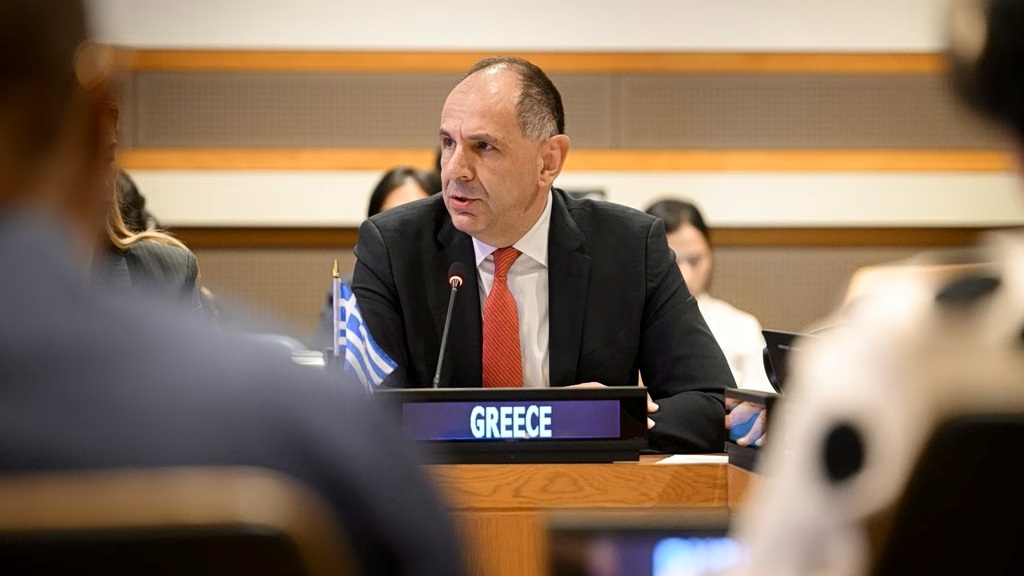
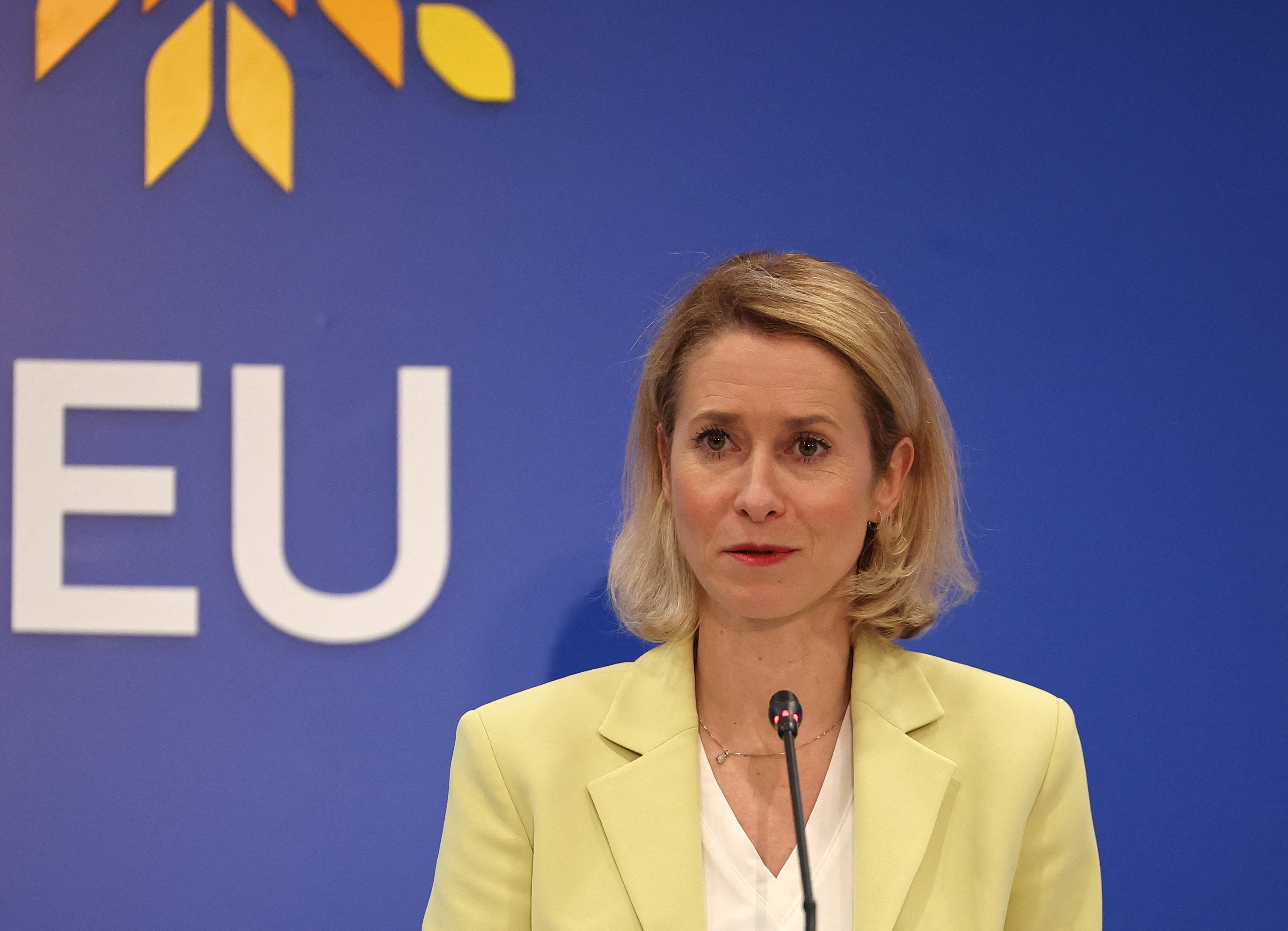
EU foreign policy chief Kaja Kallas said the sanctions were introduced in response to Iran’s actions affecting transit through the strait.
“Iran’s actions are unacceptable,” Kallas said, adding that EU member states had approved sanctions against those involved in disrupting passage through the waterway.
“This is the first time the EU has applied its new freedom of navigation regime and when necessary we will apply it again,” she said.
Iran moved to close the Strait of Hormuz after U.S.-Israeli strikes on Iran began on February 28, according to the report.
Iran rejects EU move
Iran rejected the sanctions, with Deputy Foreign Minister Kazem Gharibabadi dismissing the EU decision as a political move.
He said Tehran did not attach value to what he described as the EU’s “political and hypocritical” action and said Iran would continue its strategy of maintaining sovereignty over the strategic strait.