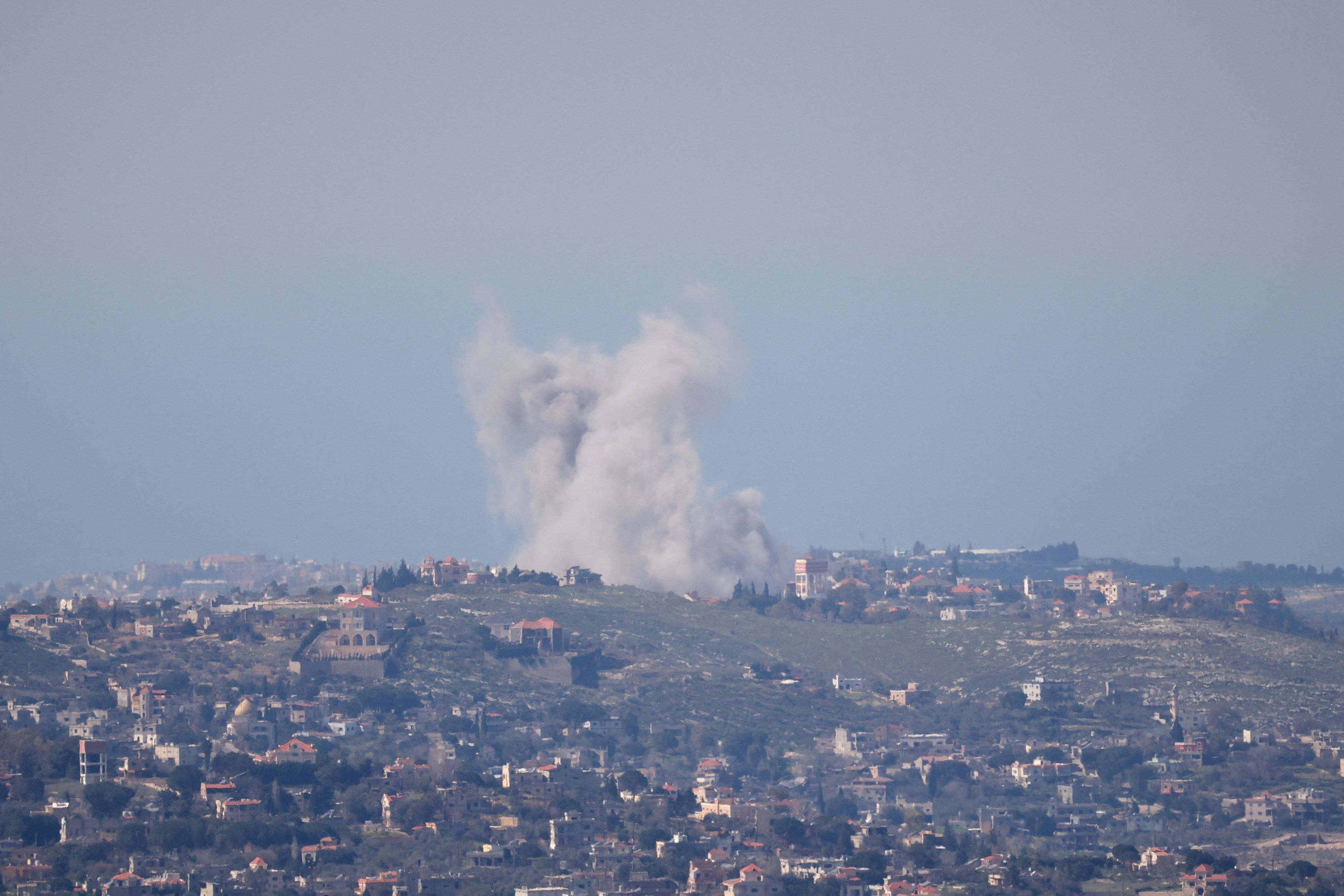
The conflict between Iran, Israel and the United States is escalating rapidly, with strikes and retaliatory attacks spreading across the Middle East and drawing in regional and Western powers. These are some of the key developments unfolding across the region:
13:17 — US jets previously reported crashed were downed by friendly fire
Three US F-15 Strike Eagle fighter jets that were earlier reported to have crashed in Kuwait were shot down in an apparent friendly fire incident, US Central Command said, according to CNN. CENTCOM said Kuwaiti air defenses mistakenly targeted the aircraft during active combat involving Iranian planes, ballistic missiles and drones. “All six aircrew ejected safely, have been safely recovered, and are in stable condition. Kuwait has acknowledged this incident, and we are grateful for the efforts of the Kuwaiti defense forces and their support in this ongoing operation” US Central Command said, according to CNN.
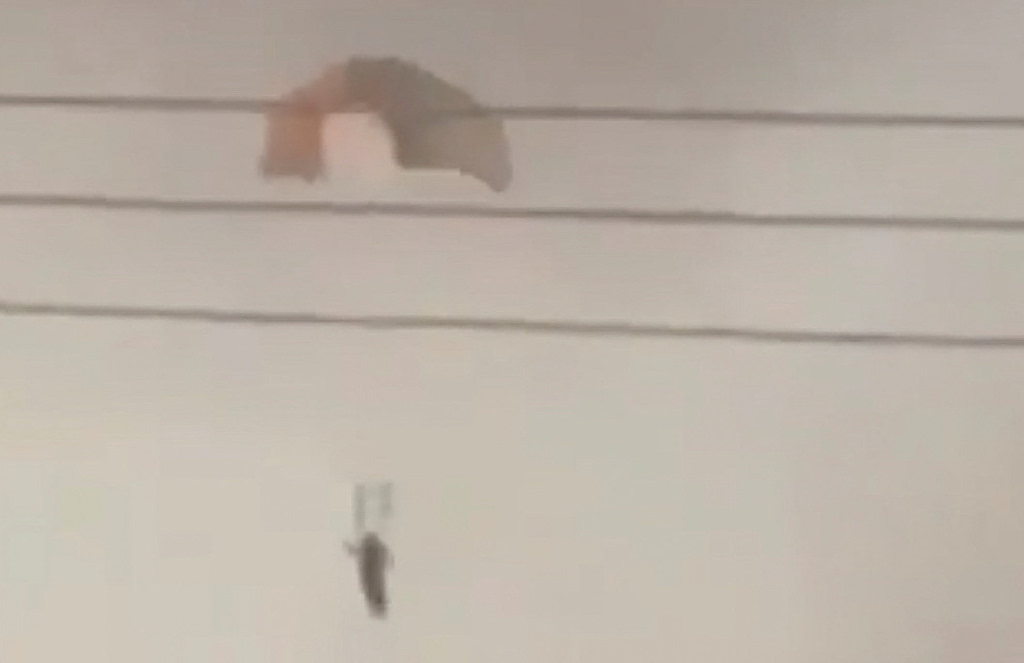
A person parachutes in Al Jahra, Kuwait, in this still image obtained from social media video released on March 2, 2026. Social Media/via REUTERS
13:05 — IAEA sees no damage to nuclear sites
The UN’s nuclear watchdog said it has no indication that Israeli or US strikes have damaged Iran’s nuclear facilities. International Atomic Energy Agency chief Rafael Grossi said sites including Bushehr and the Tehran Research Reactor appear unaffected and that radiation levels in neighboring countries remain normal. Reuters reported that Iran’s ambassador to the IAEA had said the Natanz facility was attacked, as US President Donald Trump continues to cite Iran’s nuclear program as justification for US strikes.
13:00 — Aftermath of the Gandhi Hospital bombardment in Tehran
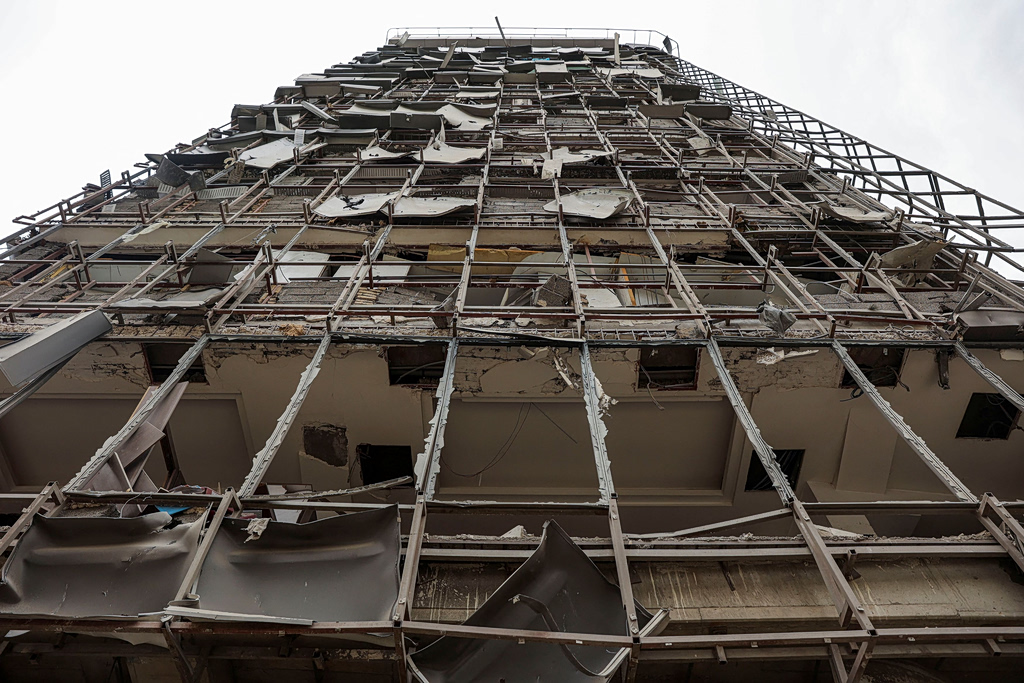
A view shows the aftermath of an Israeli and the U.S. strike on Gandhi Hotel Hospital, amid the U.S.-Israel conflict with Iran, in Tehran, Iran, March 2, 2026. Majid Asgaripour/WANA (West Asia News Agency) via REUTERS
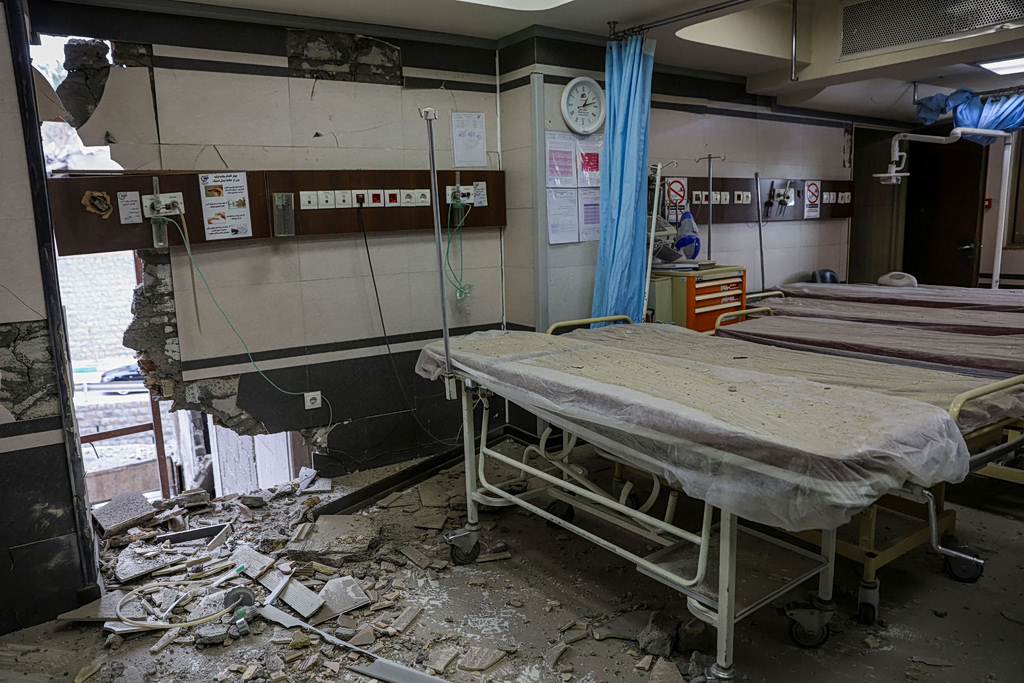
Debris lies next to beds inside a damage hospital ward following an Israeli and the U.S. strike on Gandhi Hotel Hospital, amid the U.S.-Israel conflict with Iran, in Tehran, Iran, March 2, 2026. Majid Asgaripour/WANA
12:47 GMT — US, Gulf states condemn Iran’s actions
Iran’s actions across the region represent a “dangerous escalation” that threatens Middle East stability, according to a joint statement by the United States and six allied Gulf states, the BBC reported. The statement — issued by Kuwait, Saudi Arabia, Bahrain, Qatar, Jordan, the United Arab Emirates and the US, and shared by Kuwait’s foreign ministry — said that “targeting civilians and non-combatant states is reckless behaviour that undermines stability.” The countries reaffirmed what they described as their right to self-defense as apparent Iranian strikes continued. The statement said attacks had taken place in Bahrain, Iraq, including the Kurdistan Region, Jordan, Kuwait, Oman, Qatar, Saudi Arabia and the UAE, according to the BBC.
12:15 — EU: No immediate oil supply threat
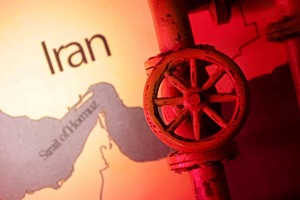
The European Commission does not expect the widening Iran-Israel-US conflict to have an immediate impact on the European Union’s oil supply security, according to an email seen by Reuters on Monday. “At this stage, we do not foresee an immediate oil SOS (security of supply) impact,” the Commission said in a message to EU governments. The update came as oil prices surged 9% after shipping in the Strait of Hormuz was disrupted by retaliatory Iranian attacks following initial bombing by Israel and the United States that killed Iranian Supreme Leader Ali Khamenei, Reuters reported. The Commission has asked member states to share their national assessments of oil supply security and is considering convening a virtual meeting of the EU’s oil coordination group later this week to coordinate any response. Analysts expect prices to remain elevated as markets assess the risks to flows through the Strait of Hormuz, a conduit for more than 20% of global oil.
What’s happening today:
The US-Israeli air campaign against Iran expanded significantly on Monday, with hostilities spreading across the region and beyond. According to Reuters, Iran’s army said it fired missiles at a US air base in Kuwait and targeted “enemy vessels,” while Kuwaiti authorities said hostile drones were intercepted. Video verified by Reuters showed a US warplane falling over the Al Jahra area, with the pilot parachuting to safety; Kuwait’s defense ministry said several American aircraft had crashed but crews were unharmed. Explosions were reported in Tehran, Doha and Dubai, while air raid sirens sounded across Israel, including in Tel Aviv and Jerusalem, as Iran launched a fresh missile barrage.
The conflict also intensified on Israel’s northern front. Hezbollah launched missiles and drones toward Israel in retaliation for the killing of Iran’s Supreme Leader Ayatollah Ali Khamenei, opening what Reuters described as a major new front in Lebanon. Israel responded with sweeping strikes on Beirut’s southern suburbs and other areas it said were linked to Hezbollah. Lebanon’s state news agency reported at least 31 people killed and 149 injured, figures cited by Reuters and the BBC. In Israel, an earlier Iranian strike killed nine people in Beit Shemesh on Sunday, the BBC reported.
Inside Iran, fresh explosions were heard in Tehran, with Iranian state media reporting damage to multiple hospitals. The Iranian Red Crescent Society said 555 people have been killed across more than 130 cities following US and Israeli attacks, according to the BBC. Beyond the immediate combatants, the fallout has reached US and European allies: a drone struck Britain’s Akrotiri air base in Cyprus overnight, while sirens were heard in Bahrain. The widening conflict has also disrupted shipping through the Strait of Hormuz, a key global oil artery, contributing to a sharp rise in energy prices, Reuters said.