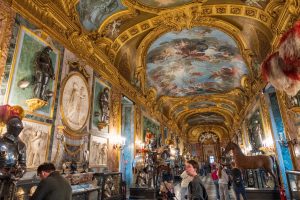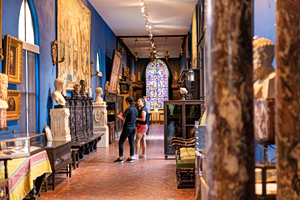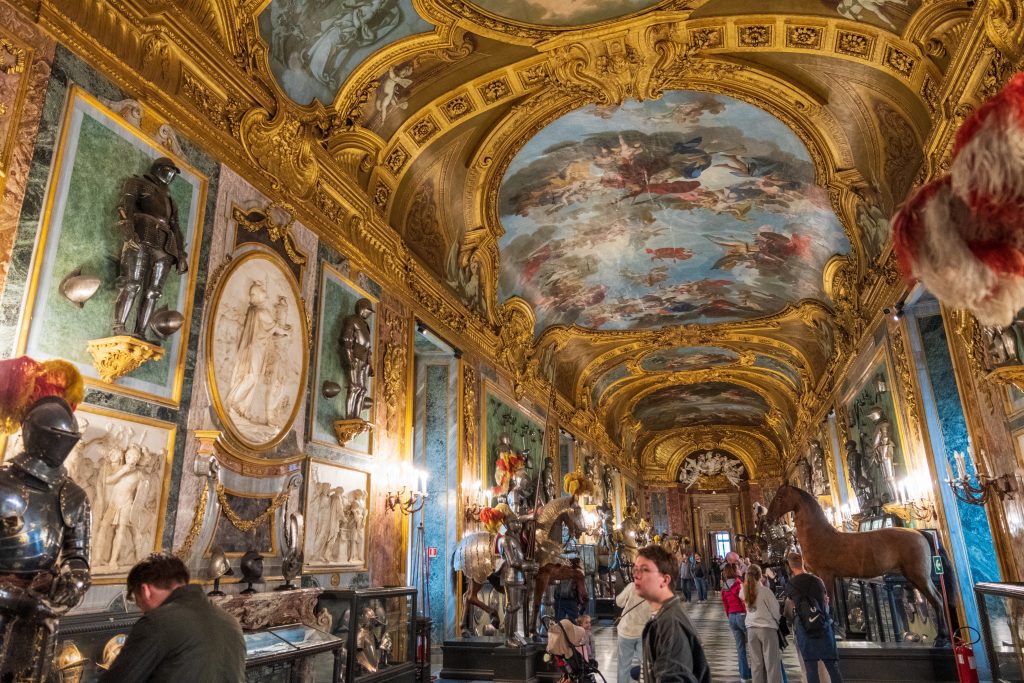
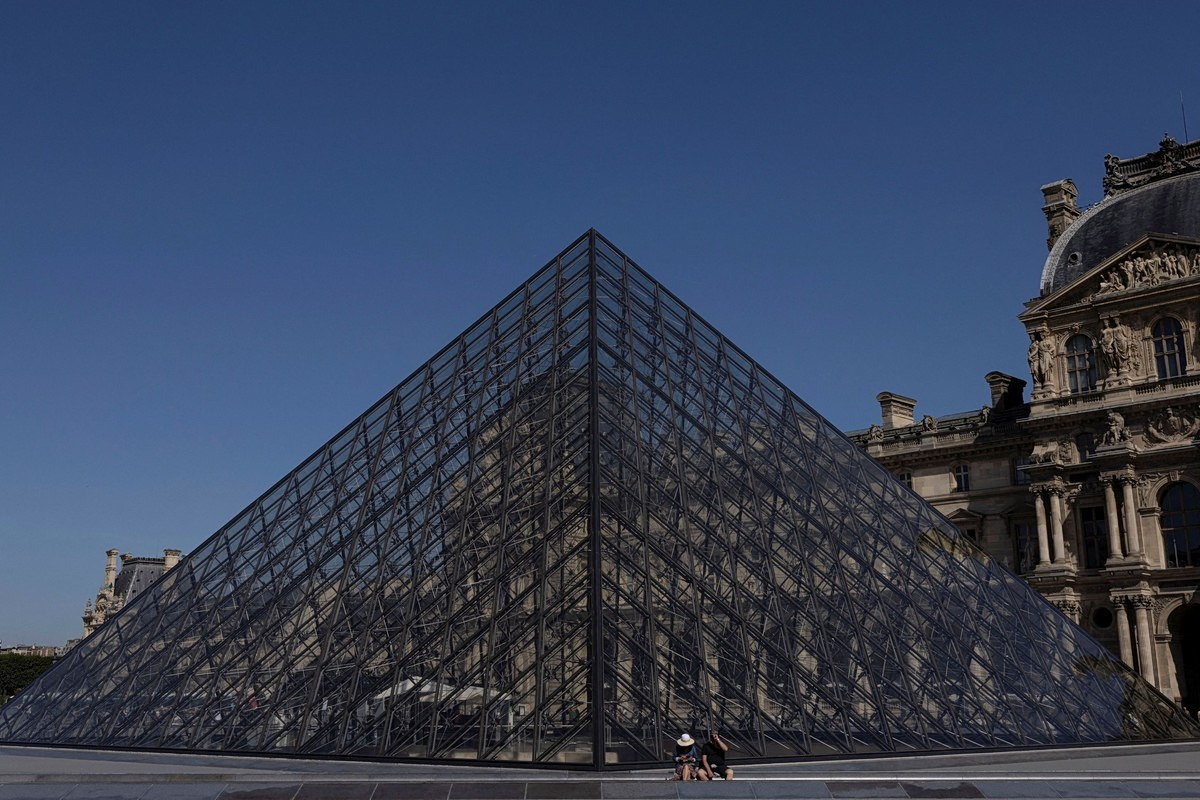
The Louvre Museum will significantly increase its admission price for visitors from outside Europe beginning in 2026, implementing a 45% rise approved by its board of directors. The change, backed by the French government, aims to strengthen the world’s most visited museum amid growing financial and operational pressures.
Starting January 14, travelers from countries outside the European Economic Area—which includes the European Union, Iceland, Liechtenstein and Norway—will pay €32 for entry, up from the current €22. The measure will primarily affect Americans, who make up the largest group of foreign visitors, as well as Chinese visitors, who rank third.
According to the museum’s 2024 activity report, the Louvre welcomed 8.7 million people last year, with foreigners accounting for 69% of total attendance.
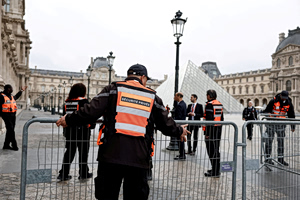
The price increase arrives at a challenging moment for the institution. The Louvre has recently been under intense scrutiny following a spectacular burglary on October 19. The incident highlighted weaknesses in its security systems, according to an administrative inquiry launched after the theft of Crown Jewels.
Museum officials estimate that the new pricing policy could generate an additional €15–20 million annually. The funds will be directed toward addressing what the Louvre describes as “structural problems,” including aging facilities and an overwhelming backlog of investment needs. A recent report by France’s Court of Audit noted that the museum faces a “wall of investments it cannot finance,” citing a lack of prioritization among its numerous projects.
The proposal to raise prices was originally introduced in January by Culture Minister Rachida Dati, who argued that new revenue sources were essential to support the museum’s long-term sustainability. Her comments followed warnings from Louvre president Laurence des Cars about the condition of the institution’s aging infrastructure.
As the Louvre prepares for the new pricing structure, it continues to balance its role as a global cultural icon with the increasing financial demands of maintaining one of the world’s most complex and visited museum spaces.