Médecins Sans Frontières (MSF) has accused all parties involved in South Sudan’s escalating conflict of exploiting humanitarian aid for political and military purposes, warning that restrictions on relief operations are depriving vulnerable communities of life-saving assistance.
In a report released on Tuesday, the international medical charity said it had documented a growing pattern of access restrictions, forced evacuations and pressure on humanitarian organizations operating in contested and opposition-controlled areas.
The allegations come as fighting between government forces and fighters loyal to detained First Vice President Riek Machar’s Sudan People’s Liberation Army-in-Opposition (SPLA-IO) continues to intensify, forcing tens of thousands of people to flee their homes.
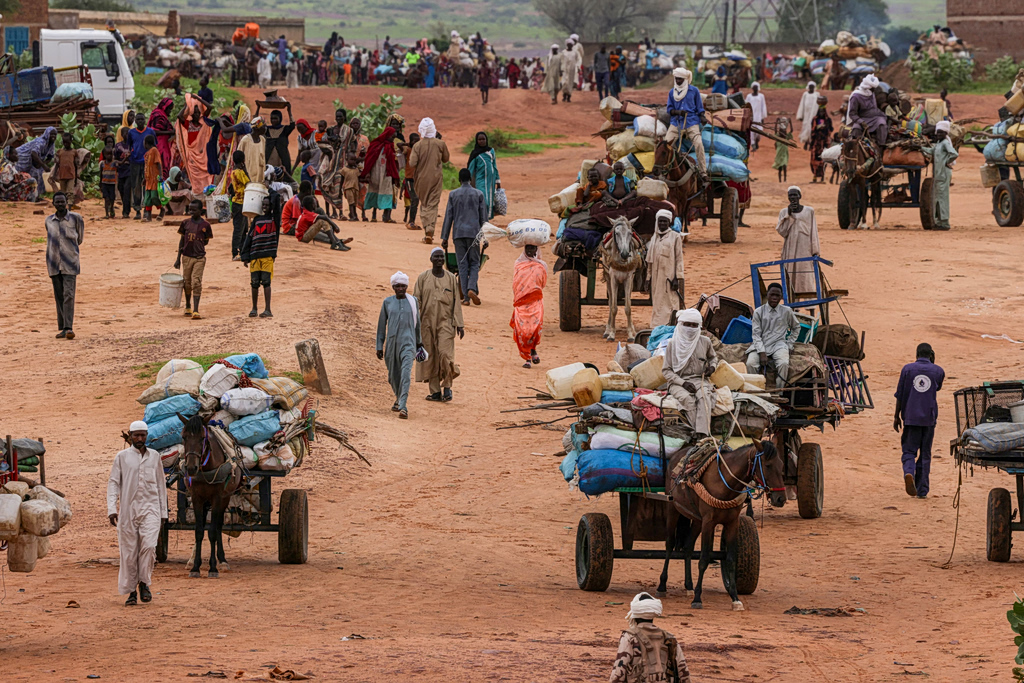
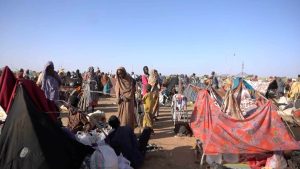
FILE PHOTO: People fleeing the violence in West Darfur, cross the border into Adre, Chad, August 4, 2023. REUTERS/Zohra Bensemra/File Photo
Aid Access Under Pressure
MSF said South Sudan’s government has increasingly restricted humanitarian access to areas controlled by opposition forces.
According to the organization, authorities have issued repeated evacuation orders and coercive directives affecting both civilians and aid agencies working in contested regions.
“At the same time, aid is being instrumentalized for military and political objectives by all parties to the conflict,” the report said. MSF added that efforts to force humanitarian groups to move aid supplies to or from specific areas were preventing entire communities from receiving essential support.
Reuters reported that attempts to obtain responses from government and military spokespersons were unsuccessful, while representatives of the SPLA-IO could not immediately be reached for comment.
Hundreds of Thousands Lose Healthcare Access
MSF warned that attacks on healthcare facilities have had devastating consequences for civilians.
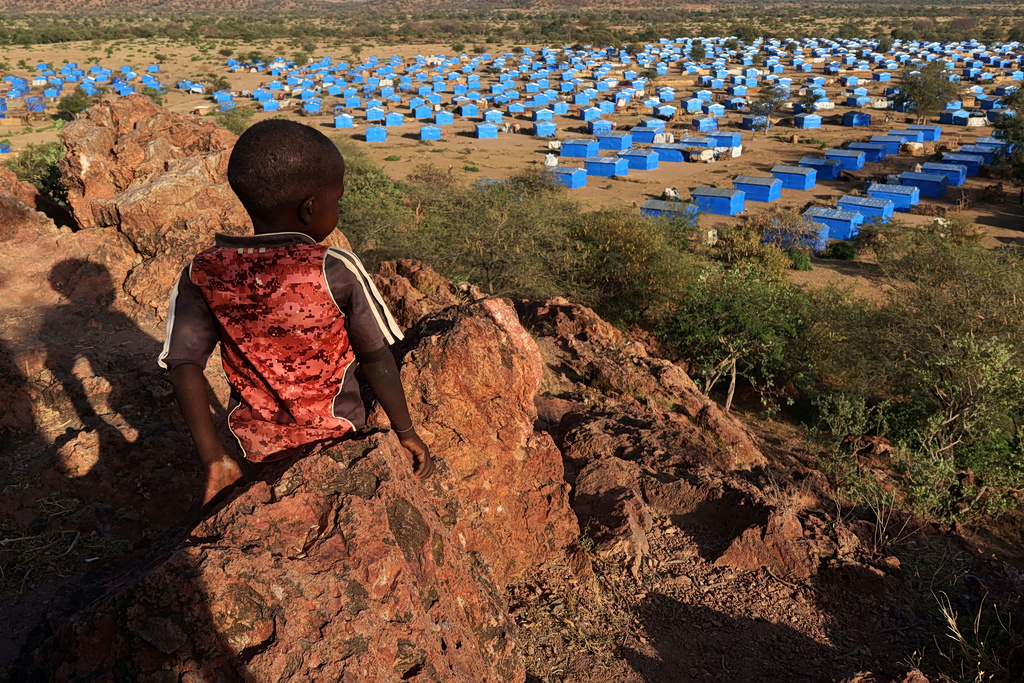
FILE PHOTO: A boy sits atop a hill overlooking a refugee camp near the Chad-Sudan border, November 9, 2023. Hundreds of Masalit families from Sudan’s West Darfur state were relocated here months after fleeing to the Chadian border town of Adre, following an ethnically targeted massacre in the city of El Geneina. REUTERS/El Tayeb Siddig To match Special Report SUDAN-POLITICS/DARFUR-MALES/File Photo
The organization said bombings of two hospitals, one in May 2025 and another in February this year, resulted in approximately 762,000 people losing access to medical services.
Following the February attack on a hospital in eastern Jonglei state, MSF stated that South Sudanese government forces were the only armed group in the country with the capability to carry out aerial strikes.
The aid group also reported a sharp rise in violence-related injuries. During January and February alone, MSF treated more than 1,800 victims of conflict-related violence — nearly 30% of the total number of such patients it handled throughout the entire previous year.
Patients required treatment for gunshot wounds, blast injuries, sexual violence and other forms of attack, according to the organization.
Escalating Conflict Raises Alarm
The latest accusations come amid growing international concern over deteriorating security conditions in South Sudan.
Clashes between government troops and opposition fighters have increased significantly since last year, while reports of massacres involving soldiers, opposition forces and allied militias have emerged from several parts of the country.
Earlier this year, U.N. High Commissioner for Human Rights Volker Türk warned that South Sudan had reached “a dangerous point” as violence continued to escalate.
The renewed instability has also revived concerns about the future of the country’s fragile peace process.
A 2018 peace agreement ended a five-year civil war between forces aligned with President Salva Kiir and those loyal to Machar, a conflict that left nearly 400,000 people dead.
Fears of a return to widespread conflict intensified after Machar’s arrest last year. He and 20 co-defendants are currently facing charges, including treason, linked to militia attacks in the country’s northeast. All have denied the allegations.