 Μake us preferred on Google
 The benefits of honey were ingrained in Gabrielle Mirkin as a child growing up in New Zealand. “Mānuka honey is the medicine of choice for every Kiwi kid,” says Mirkin, referring to a type of honey native to New Zealand and parts of Australia. “You have a sore throat, a cough, a tummy ache, your mom gives you Mānuka honey. You fall and scratch yourself, it’s Mānuka honey that gets put on the wound with a Band-Aid on top.”
Mirkin eventually co-founded Activist, a brand devoted to topical and ingestible Mānuka with her husband Luke Harwood. The products highlight Mānuka’s purported immunity benefits, but also the ingredient’s potent skincare potential.
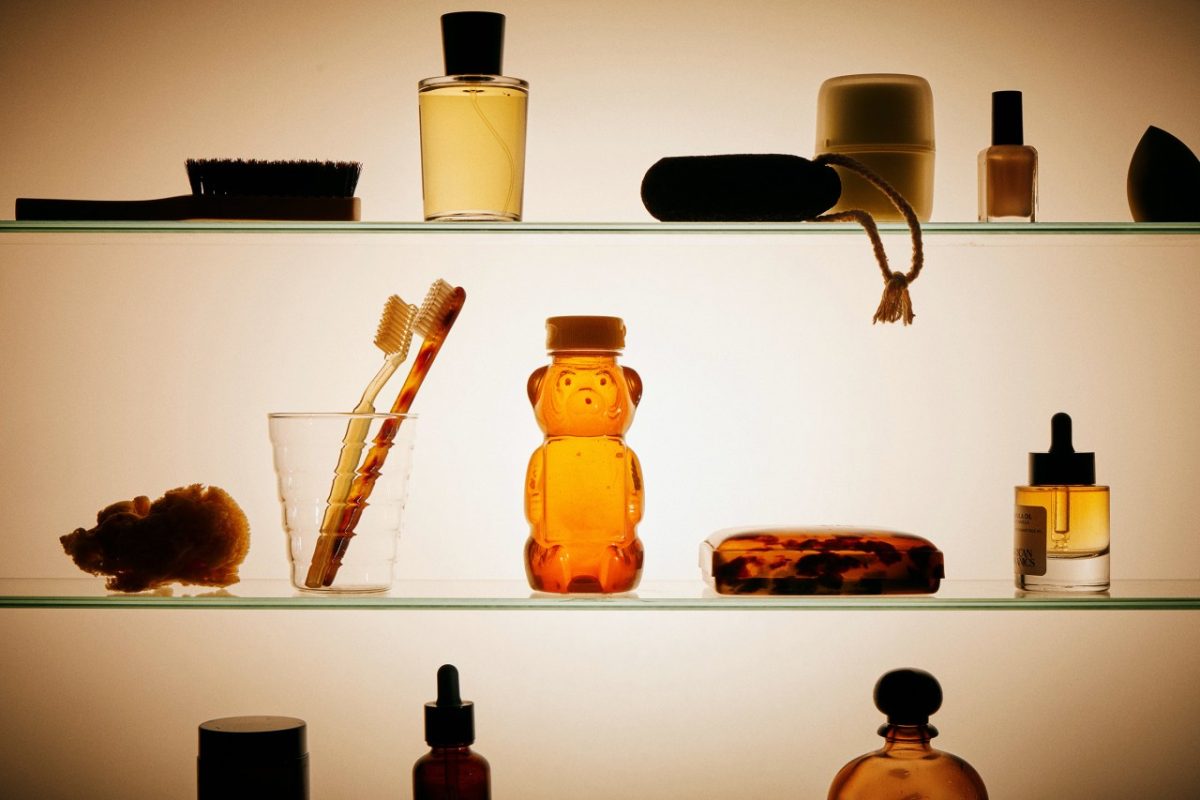
Honey, found in most kitchen pantries, is stepping into the beauty spotlight thanks to Activist and Aunu, another buzzy brand that has already made its way into treatments offered by celebrity estheticians like Elizabeth Grace Hand in New York and Cynthia Marie Franco in Los Angeles. Honey’s status as a prized skincare ingredient dates back centuries. Legend has it Cleopatra bathed in donkey milk and honey to soften and smooth her skin. Today, it’s still touted as a natural way to cleanse and soothe the skin. And unlike other trend-driven natural ingredients, doctors and estheticians say honey lives up to its skincare claims.
“Honey is a humectant, so it helps to draw moisture in and boost hydration,” says Dr. Marisa Garshick, a New York City and New Jersey-based dermatologist. “It also has anti-inflammatory properties which can help to calm redness and irritation, and antioxidants, which can help protect the skin against environmental stressors.”
While all kinds of honey—like clover, wildflower and raw—can be used on the skin, Mānuka stands out for its antimicrobial benefits. Garshick says that’s because it has higher levels of a compound called methylglyoxal, making it especially good for wound healing and acne-prone skin.
“Mānuka honey sits in a rare category where a natural ingredient behaves like a clinical active, offering antimicrobial, anti-inflammatory and barrier repair benefits in a single step,” says Cali Strauhs, a Manhattan-based esthetician and founder of Strauhs Studios. “I have been putting my acne clients on it for a decade, especially during the winter, because it’s not easy to find a thick, wound-healing product that won’t clog your pores, and also treats breakouts and dryness.”
The antibacterial activity in Mānuka is roughly a hundred times more potent than any other honey, says Jenn Krouse, founder of Aunu, which is showing up on shelves at cult-favorite beauty spots like Knockout Beauty, ONDA and the Spa at the Hotel Chelsea. Strauhs herself is a fan: “I wash with the Aunu cleanser every day and my acne-prone skin has been thriving, especially since I use a lot of active ingredients in my daily routine,” she says.
Honey’s popularity is partly a response to the rise of harsher active ingredients. Krouse said that skin is becoming increasingly sensitized due to factors like environmental pollution and multistep routines. “With all these 10-step routines and exfoliation and cosmetic treatments people have really worn their skin down,” she said.
Shop the Story
This silky essence is touted as deeply hydrating and lightweight.
This dense honey mask can also be used as a cleanser and spot treatment.
The iconic French brand sources the honey for this velvety golden nectar from a rare breed of black bee.
New York facialist Cynthia Rivas is now using this pudding-like combination of raw organic honey, silver and white clay in her signature treatments.
A moisturizer packed with buckwheat honey and ceramides promises soothing hydration.
Hemp oil and shea butter amplify Mānuka’s moisturizing properties in this substantial bar soap.
A cream-oil hybrid packed with Mānuka honey and jojoba oil.
A bit of shimmer, plus hyaluronic acid and honey sourced from founder Negin Mirsalehi’s family bee garden.
A gentle mask made with extracts from traditional Korean rice wine (Makgeolli), rice hull powder, Kaolin clay and honey promises to brighten and smooth.
Potent Mānuka honey, royal jelly and bee venom purports to brighten and hydrate the delicate eye area.