 Μake us preferred on Google
 A new European federation representing the table olive sector has been officially established, bringing together industry associations from Italy, Greece and Spain in an effort to secure stronger representation in Brussels for a fast-growing but historically underrepresented agricultural segment.
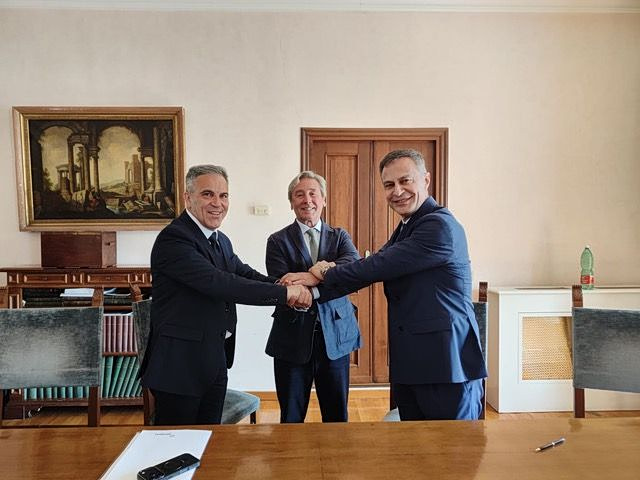
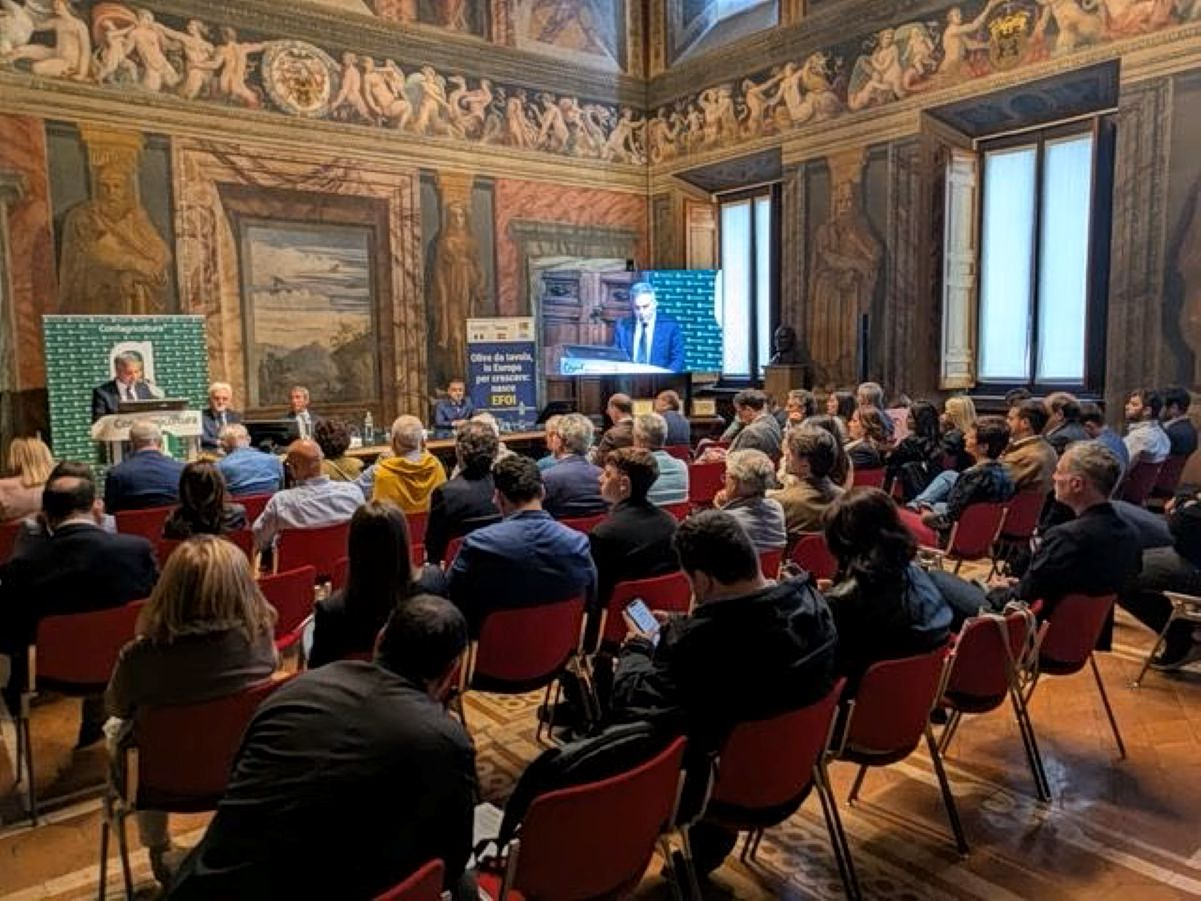
The initiative, launched at the headquarters of Confagricoltura in Rome, saw the creation of the European Federation of Olive Industry (EFOI), reflecting a coordinated effort across the Mediterranean’s leading producing countries.
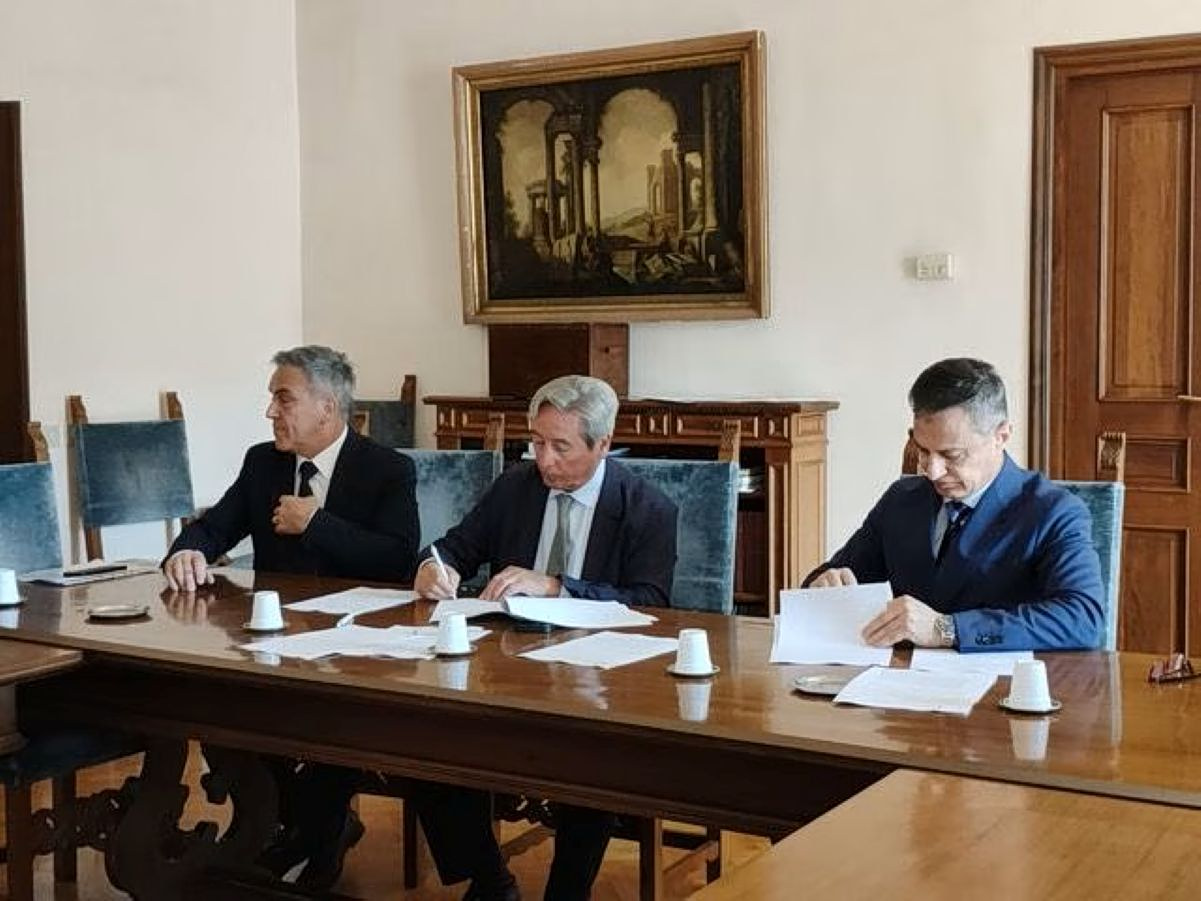
Headquartered in Rome, the federation will be chaired by Francisco Torrent Cruz, president of Asemesa. Its official presentation took place at Palazzo della Valle, reinforcing its institutional anchoring within Italy’s agricultural policy landscape.
The creation of EFOI comes amid strong growth prospects for table olives, a product deeply embedded in the Mediterranean diet and increasingly aligned with global trends toward healthier eating. Today, table olives are consumed in nearly 100 countries worldwide.
Over the past five years, European production has risen by 7%, while global output has increased by 8%. During the 2024–2025 season, European Union production reached approximately 858,000 tonnes, with global trade exceeding 3 million tonnes annually. According to the latest data from the International Olive Council (IOC), European consumption alone approaches 600,000 tonnes.
While demand remains strongest in producing countries, consumption is also expanding in non-traditional markets such as the United States, Brazil and Canada, underscoring the product’s growing international reach.
Beyond market development, EFOI aims to secure a permanent institutional presence in Brussels to advocate for the sector on key policy and trade issues. These include concerns over international agreements such as the EU-Mercosur Agreement, as well as trade tensions linked to U.S. tariffs.
Industry representatives argue that current disparities in production standards and labor regulations place European producers at a competitive disadvantage compared with non-EU competitors, including those in North Africa just beyond the Union’s borders.
The new federation is expected to focus on ensuring reciprocity in trade rules and safeguarding the sector’s position within global markets.