Pakistan is stepping up diplomatic efforts to bring Iran to the negotiating table with the United States, as regional tensions over the strategic Strait of Hormuz reshape the focus of ongoing talks.
A senior Pakistani government official said Islamabad had received a “positive signal” from Tehran and was working to ensure Iran’s presence at upcoming negotiations, expected to begin within days. The talks are being hosted in Pakistan as part of efforts to sustain a fragile ceasefire timeline set by U.S. President Donald Trump.
“We are trying that they should be here when we start the talks tomorrow or a day after,” the official said, speaking on condition of anonymity to Reuters, adding that engagement with both Washington and Tehran was ongoing. Prime Minister Shehbaz Sharif also requested an extension of the nominal ceasefire, set to expire in the next 48 hours, for two extra weeks, as both sides find it increasingly hard to find points of convergence
Hormuz takes center stage
As diplomatic efforts intensify, the Strait of Hormuz has emerged as a central issue in negotiations, reflecting its critical role in global energy flows. The narrow waterway carries about a fifth of the world’s oil supplies, making it a key point of leverage in the conflict.
Officials and analysts say the next phase of talks is likely to focus less on Iran’s missile program or regional proxy networks, and more on uranium enrichment limits and the management of Hormuz.
This shift has raised alarm among Gulf states, which fear that prioritizing the stability of global oil markets could come at the expense of addressing broader regional security threats.
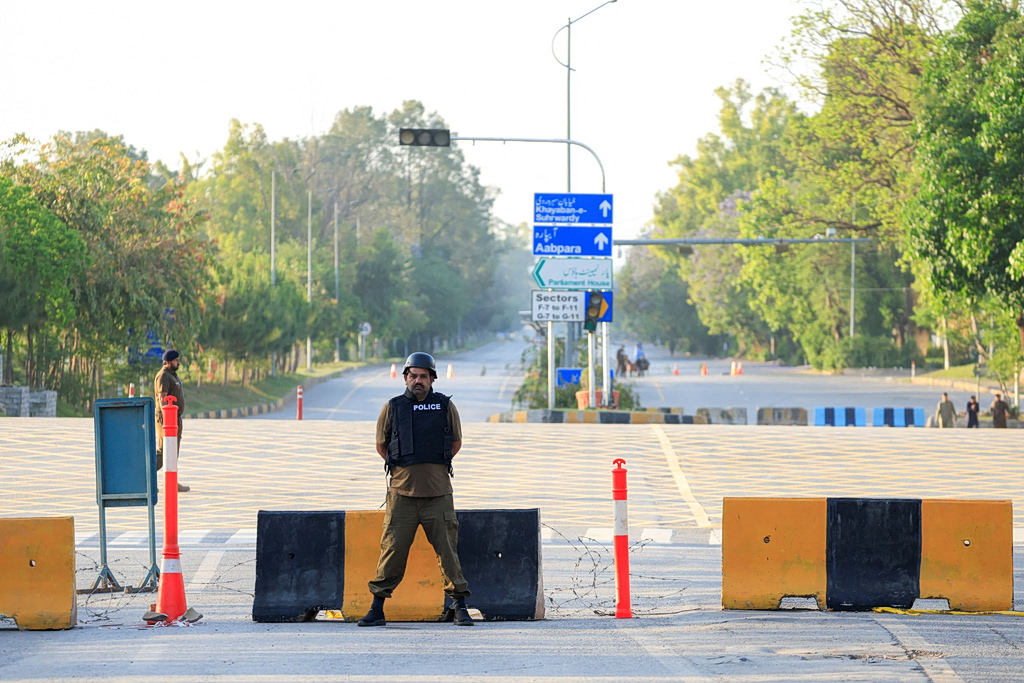
Police officers stand guard on a road leading to the Serena Hotel, as Pakistan prepares to host the U.S. and Iran for the second phase of peace talks in Islamabad, Pakistan, April 21, 2026. REUTERS/Akhtar Soomro REFILE – QUALITY REPEAT
Gulf concerns over shifting priorities
Gulf officials warn that focusing negotiations on Hormuz risks entrenching Iran’s influence rather than reducing it. According to regional sources, the talks may end up managing tensions rather than resolving them, leaving underlying issues unresolved.
“At the end of the day, Hormuz will be the red line,” one Gulf source said as noted in Reuters, noting that the waterway has become a defining factor in diplomatic calculations.
Iranian officials, meanwhile, have described the Strait as a long-prepared strategic asset. One security source characterized it as a “powerful deterrent” rooted in geography, suggesting it cannot be neutralized by external actors.
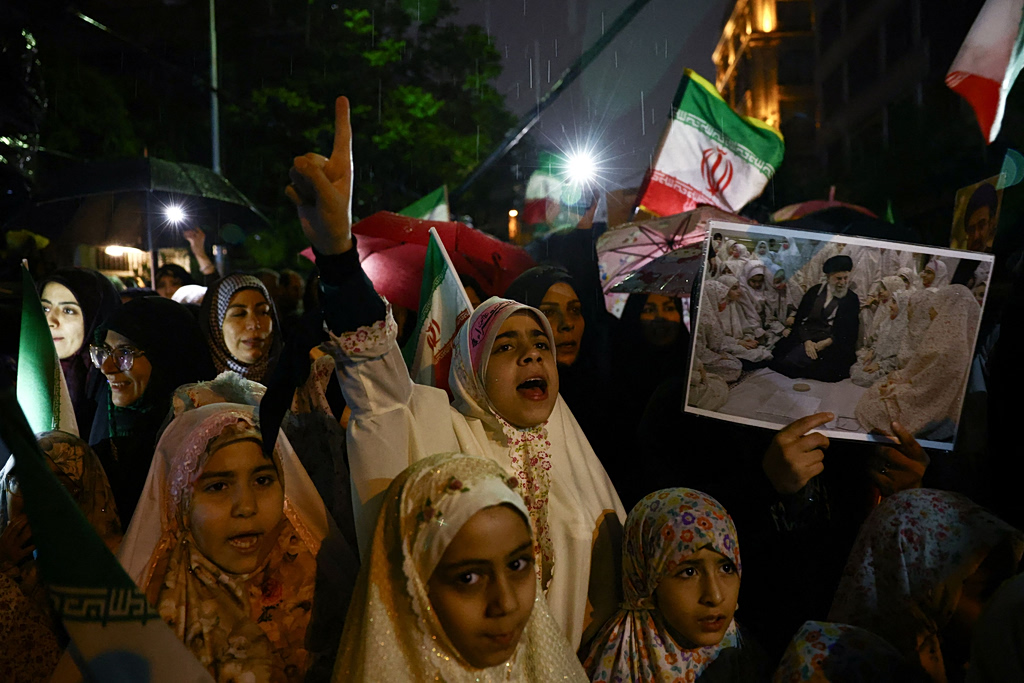
People take part in an anti-U.S. and anti-Israel rally, amid a ceasefire between U.S. and Iran, in Tehran, Iran, April 19, 2026. Majid Asgaripour/WANA (West Asia News Agency) via REUTERS ATTENTION EDITORS – THIS PICTURE WAS PROVIDED BY A THIRD PARTY
Strategic leverage and global stakes
The prominence of Hormuz in negotiations reflects a broader shift toward power-based arrangements in regional security, according to analysts. Rather than adhering to fixed international norms, the evolving dynamic places emphasis on control over critical infrastructure and trade routes.
This has left Gulf countries increasingly uneasy, as they face direct exposure to missile threats and economic disruptions while having limited influence over the direction of talks.
Despite their concerns, Gulf states acknowledge the continued importance of U.S. military support in maintaining regional stability. However, analysts say the current situation highlights the risks of relying too heavily on a single external security partner.