 Μake us preferred on Google
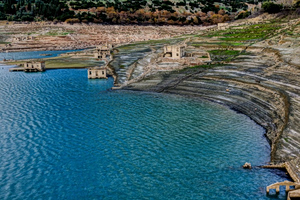
 Crete is preparing a major overhaul of its water management system as persistent drought conditions continue to strain the island’s water resources. While recent rainfall in March temporarily improved reservoir levels, officials say the broader challenge of water scarcity remains urgent and unresolved.
A high-level meeting involving the Prime Minister and representatives from local authorities across Crete highlighted a growing consensus: the island must move away from fragmented water management and adopt a coordinated, unified approach.
Toward a single coordinating authority
A key outcome of the discussions was the recognition that Crete needs a central coordinating body to oversee water management across the island. Rather than relying on multiple disconnected entities, the aim is to establish a more coherent structure capable of aligning priorities and delivering projects more effectively.
Strengthening and upgrading the role of the existing Crete Development Organization (OAK) emerged as the most practical solution. Officials argued that building on an established institution with experience would avoid adding new layers of bureaucracy while improving coordination.
This approach also aligns with findings from a Dutch study, which concluded that Crete’s main challenge is not only water availability, but also the lack of a “conductor” to coordinate the many stakeholders involved in water management.
Focus on completing stalled projects
The proposed strategy prioritizes immediate action on delayed or incomplete infrastructure projects, particularly those affecting water supply in key regions. Among them are projects in Heraklion and other areas facing both drinking water and irrigation shortages.
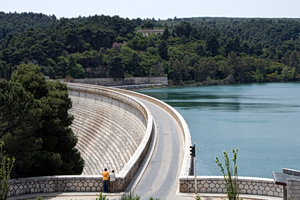
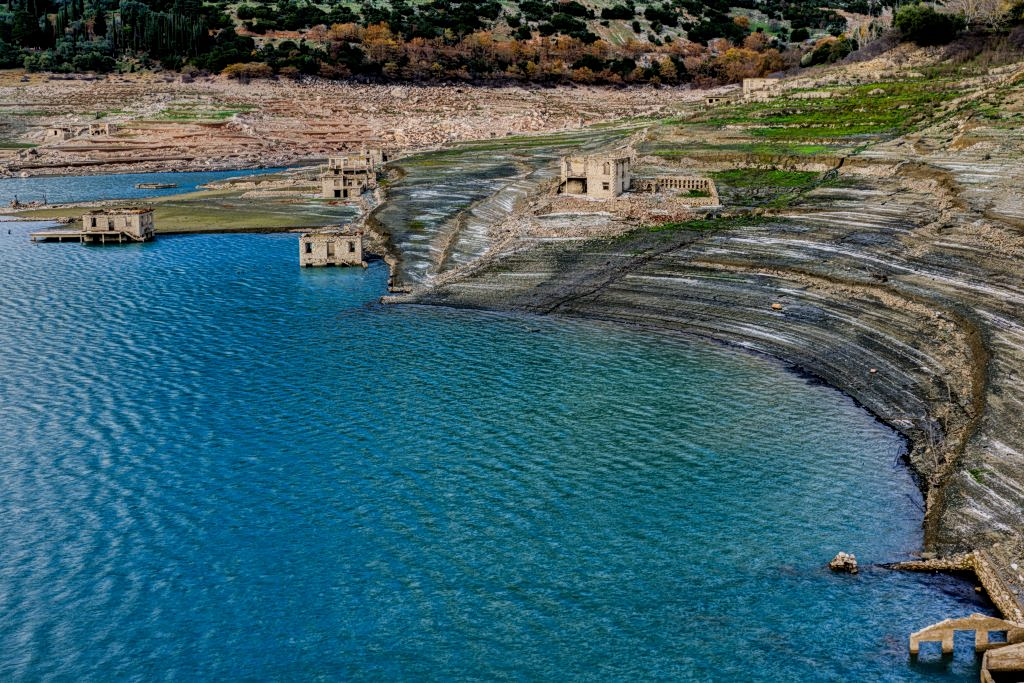
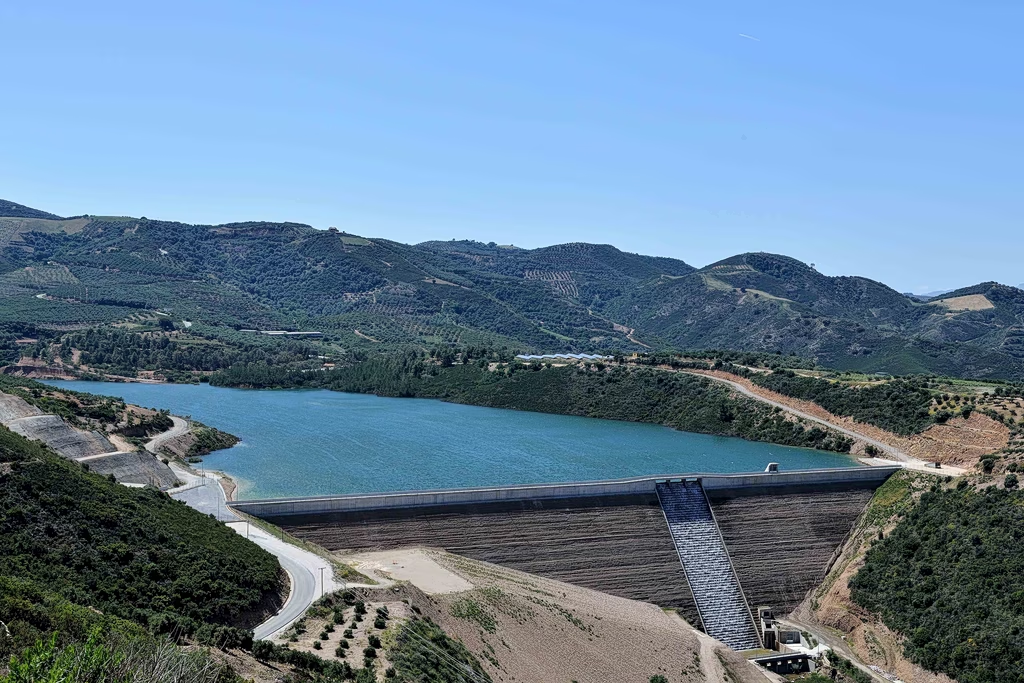
A priority list includes completing unfinished or technically delayed works such as the Valsamiotis dam project in Chania, as well as strengthening the Aposelemi dam system. These interventions are seen as essential to delivering quick improvements without further delay.
Funding is expected to come from a combination of national and European sources, including investment programs and EU recovery-related funds, provided that projects are properly prioritized and mature in planning terms.
Shift away from large-scale megaprojects
The new approach moves away from previously discussed large-scale infrastructure investments, estimated in earlier planning to reach billions of euros. Instead, the focus is shifting toward smaller, targeted interventions based on cost-benefit analysis and regional needs.
The Dutch-backed master plan places strong emphasis on reducing water losses, identifying ageing distribution networks as a major source of inefficiency, with significant volumes of water lost before reaching end users.
Proposed solutions include leak detection, network segmentation, smart metering systems, and the replacement of outdated pipelines, particularly in rural and semi-urban areas where the problem is most severe.
Nature-based and flood prevention measures
The strategy also includes measures to reduce flood risk through nature-based solutions. These include reforestation, erosion control works, small retention dams, and improvements to urban drainage systems, in line with broader European environmental approaches.
Agriculture at the center of the challenge
Special attention is being given to agriculture, which remains one of the most water-intensive sectors on the island. Open irrigation networks and over-extraction are identified as key structural issues.
Rather than applying uniform solutions, the plan proposes pilot projects in areas such as Messara and Ierapetra, testing practical measures before wider implementation. The approach also takes into account challenges such as labor shortages and an ageing farming population.
A more participatory model is being encouraged, involving local communities in shaping and maintaining water management practices.