 Μake us preferred on Google
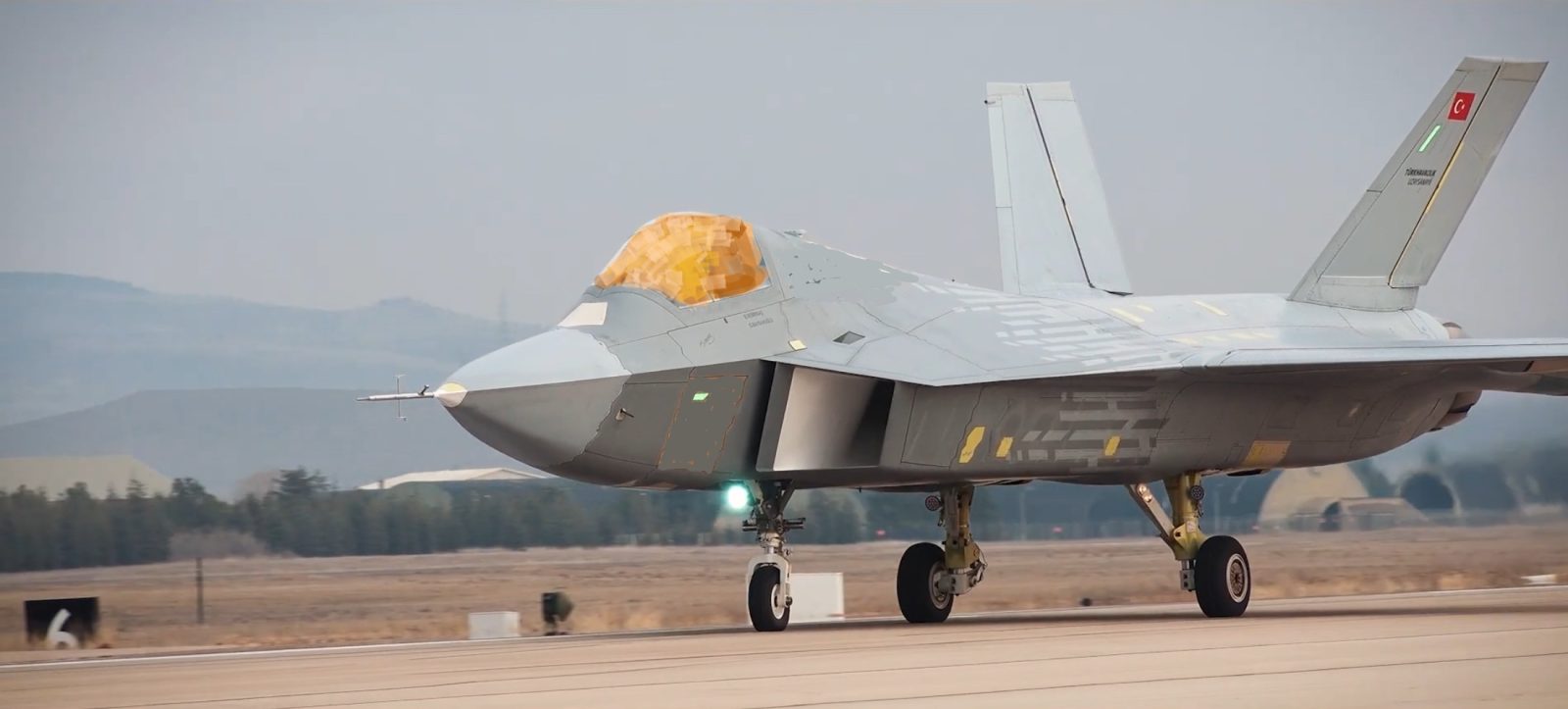
 Turkey’s pro-government Daily Sabah on Tuesday referred to ostensible interest by Egypt in a nascent next-generation stealth warplane program financed and heavily promoted by Turkey as a precursor to a bilateral defense agreement, with the media outlet claiming that Cairo is preparing to join the Kaan production program.
As per Daily Sabah, the move signals closer ties between the two countries and “could” alter the balance of power in the Middle East.
Bilateral relations between Egypt and Turkey dramatically soured after the Muslim Brotherhood government of Mohamed Morsi was overthrown by the Egyptian military in July 2013, and especially with the assumption of power and the subsequent presidential election victory of Abdel el-Sisi as the country’s leader. Turkish President Recep Tayyip Erdogan and his administration were robust supporters of the Morsi government.
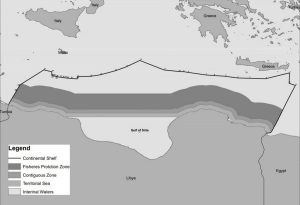
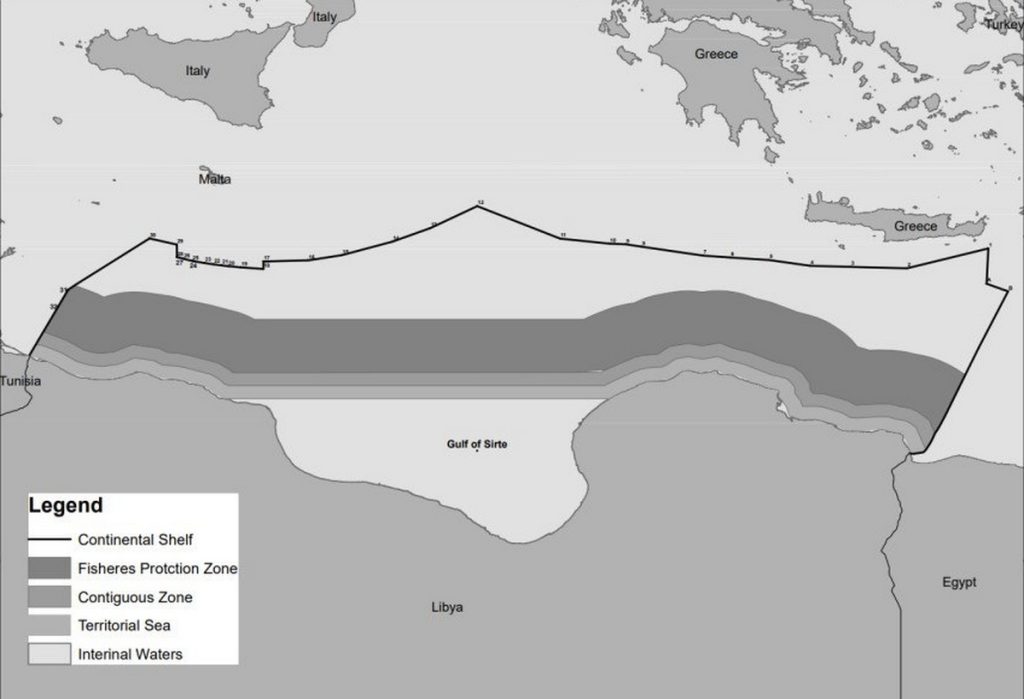
Cairo and Ankara have also “locked horns” by supporting opposing factions in the Libyan civil war, as Egypt has backed Gen. Khalifa Haftar, the de facto ruler of eastern and central Libya. Conversely, Turkey supports the internationally recognized Tripoli-based government, with which it signed a controversial maritime deal in 2019, although Turkish diplomacy of late has attempted a rapprochement with the east Libya administration.
In continuing a predictive “analysis” based solely on the report, first posted by the site The Arab Weekly, such an agreement would not only strengthen bilateral relations but also reduce both nations’ dependence on foreign suppliers by advancing joint defense manufacturing.
Numerous internet posts, mainly by sites in the Middle East and south Asia, over the past two years have claimed “interest” by various countries – Pakistan, Indonesia and others – in Turkey’s Kaan 4.5 to 5.0-generation plane. To date only one prototype has been produced and flown for under an hour in an unrepeated maiden flight. The Turkish consortium developing the plane has not finalized which engine will power the future warplane, while also claiming that avionics as well as radar and weapons systems will be domestically produced.
The emphasis on producing a locally developed and manufactured “stealthy” air superiority fighter came after Turkey was kicked out of the F-35 program and due to continuing delays in its F-16 modernization program. At the same time, Ankara’s keen interest in acquiring the Eurofighter Typhoon has still not blossomed into a final deal, although progress is in the final stages with the four European members of the consortium manufacturing the plane (Germany, UK, Italy and Spain).
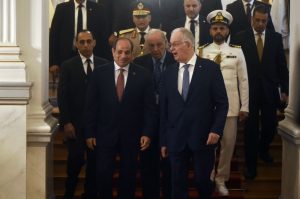
According to Daily Sabah, “…Interest in the Kaan project was first raised in September 2024 during Egyptian President Abdel Fattah el-Sissi’s visit to Ankara, where he also expressed interest in Türkiye’s “Iron Dome”-style air defense system. Subsequent visits by Egyptian air force delegations and the May 2025 trip of Egypt’s armed forces chief Gen. Ahmad Khalifa deepened the dialogue, covering training, technology transfer, and knowledge sharing.
“Diplomatic sources expect a formal agreement for Egypt’s participation in the Kaan program to be signed by year’s end, a step that could alter the air power balance away from its current U.S.- and Israel-leaning trajectory…Türkiye’s fighter jet initiative has also drawn interest from Spain and the United Arab Emirates, potentially lowering costs, accelerating production, and bolstering R&D investment—making Kaan a shared regional asset rather than a solely national project,” was the way the Daily Sabah report viewed the possible deal.