 Μake us preferred on Google
 The Democratic Republic of Congo’s Bundibugyo Ebola outbreak continues to worsen, with confirmed infections rising to 1,561, including 506 deaths, according to figures released by the government on Sunday.
The latest update comes just days after the World Health Organization (WHO) announced the launch of a clinical trial aimed at evaluating potential treatments for the Bundibugyo strain of the Ebola virus, for which there are currently no approved vaccines or therapies.
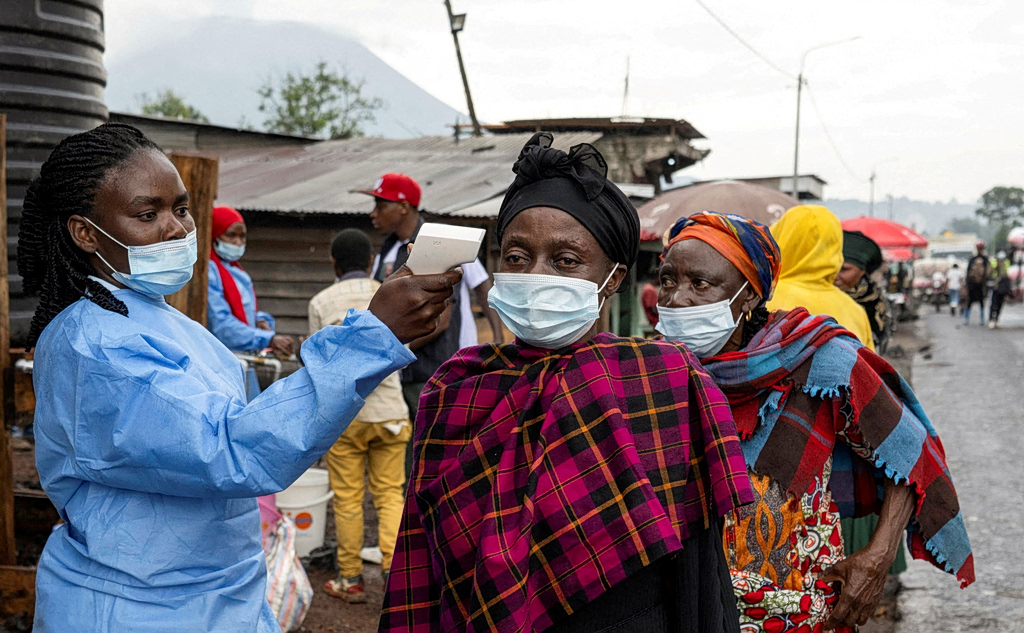
FILE PHOTO: A health worker takes the temperature of a woman passing through the Kanyaruchinya checkpoint, as authorities and aid agencies intensify efforts to contain a new Ebola outbreak involving the Bundibugyo strain, in the northern entry into the city of Goma, North Kivu province, the Democratic Republic of the Congo May 20, 2026. REUTERS/Arlette Bashizi/File Photo
WHO Director-General Dr. Tedros Adhanom Ghebreyesus said the first patient was enrolled in the trial on Thursday, describing it as an important milestone in the response to the outbreak.
The study, which is expected to include more than 1,000 patients and could take several months to complete, will assess Mapp Biopharmaceutical’s experimental MBP134 antibody treatment both on its own and in combination with Gilead Sciences’ antiviral drug remdesivir.
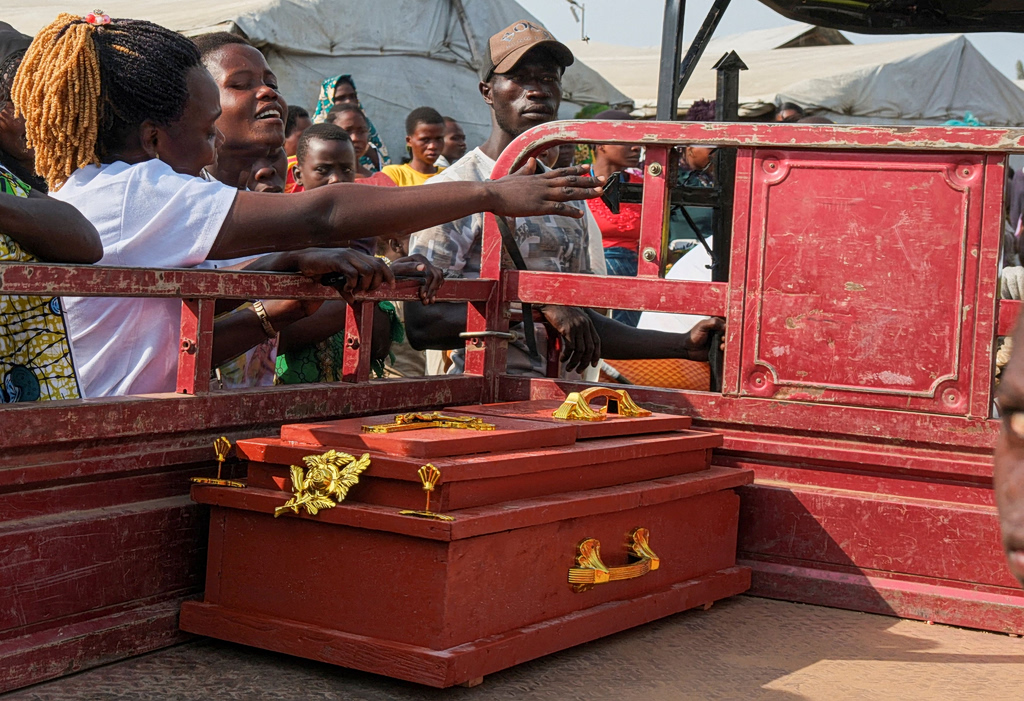
Relatives and friends of displaced people mourn next to a coffin of a suspected Ebola victim before the burial at the Kigonze displaced persons camp, one month after an Ebola outbreak was declared, in Bunia, eastern Democratic Republic of Congo, June 18, 2026. REUTERS/Gradel Muyisa Mumbere REFILE – CORRECTING INFORMATION TO ADD THAT THE VICTIMS WERE SUSPECTED EBOLA CASES
According to the WHO, sufficient supplies of the trial medicines are available. The organization said it is working with the United States, which donated MBP134, and with Gilead Sciences to ensure continued access to the treatments if they are proven safe and effective.
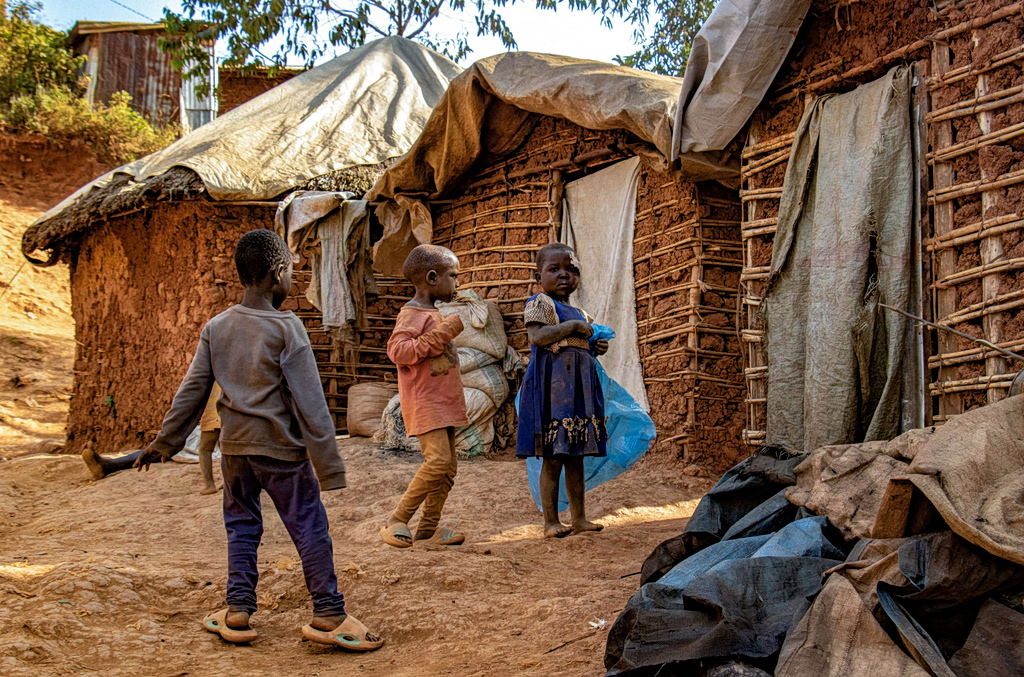
FILE PHOTO: Children stand during an Ebola awareness session as humanitarian agencies intensify efforts to contain a new Ebola outbreak involving the Bundibugyo strain, at Kpangba displacement camp where Ebola cases were observed, Djugu territory in Ituri province, Democratic Republic of Congo, June 13, 2026. REUTERS/Gradel Muyisa Mumbere/File Photo
Gilead announced it has donated more than 2,000 vials of remdesivir for the study, in addition to the 2,000 vials supplied for emergency use in June.
Despite progress in expanding the outbreak response, WHO warned that major challenges remain. Tedros cited ongoing mistrust and violence, including an attack on an Ebola treatment center in Ituri province that killed two people.
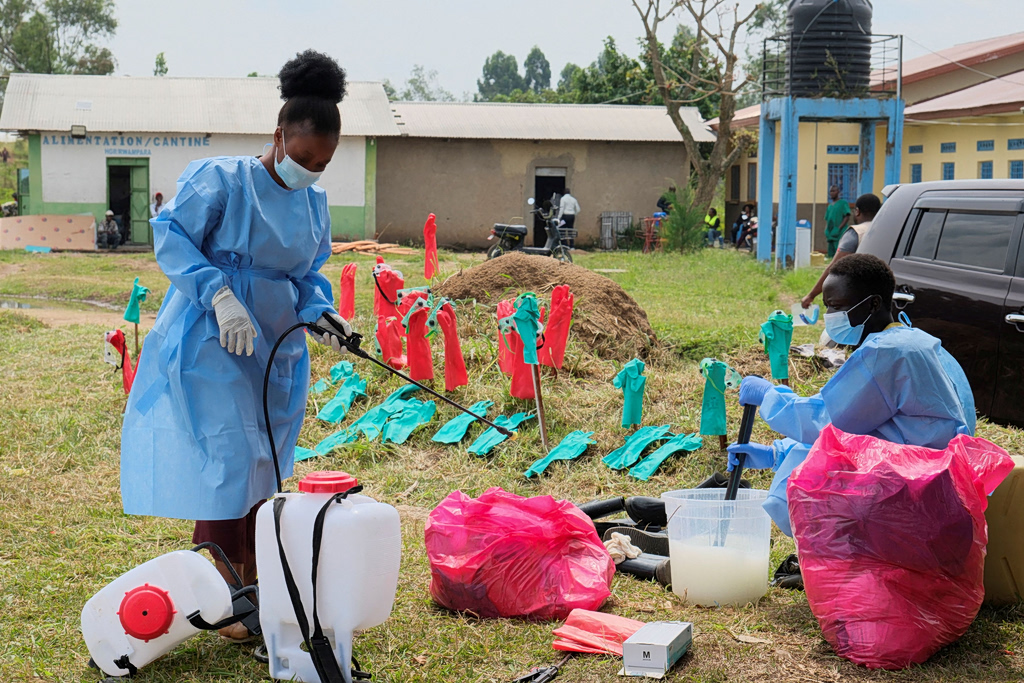
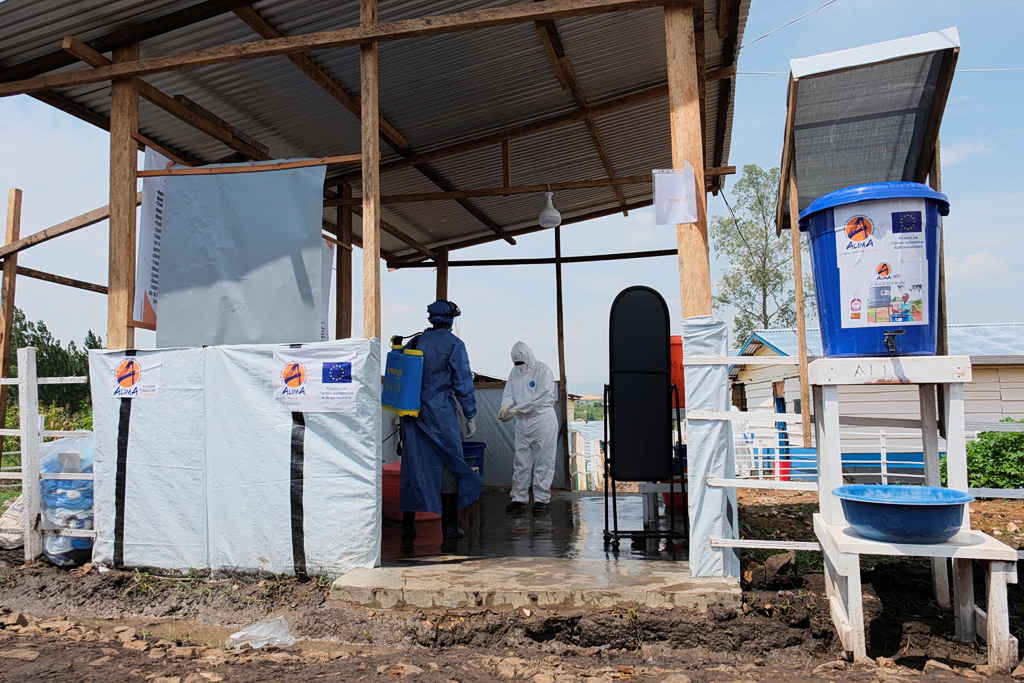
FILE PHOTO: Medical workers dressed in personal protective equipment (PPE) disinfect their equipment at an Ebola treatment centre during a ceremony to present recovery certificates to patients at the Rwambara General Reference Hospital in Bunia, eastern Democratic Republic of Congo, June 16, 2026. REUTERS/Gradel Muyisa Mumbere/File Photo
The WHO chief said the country has recorded an average of 38 new confirmed Ebola cases per day over the past two weeks.
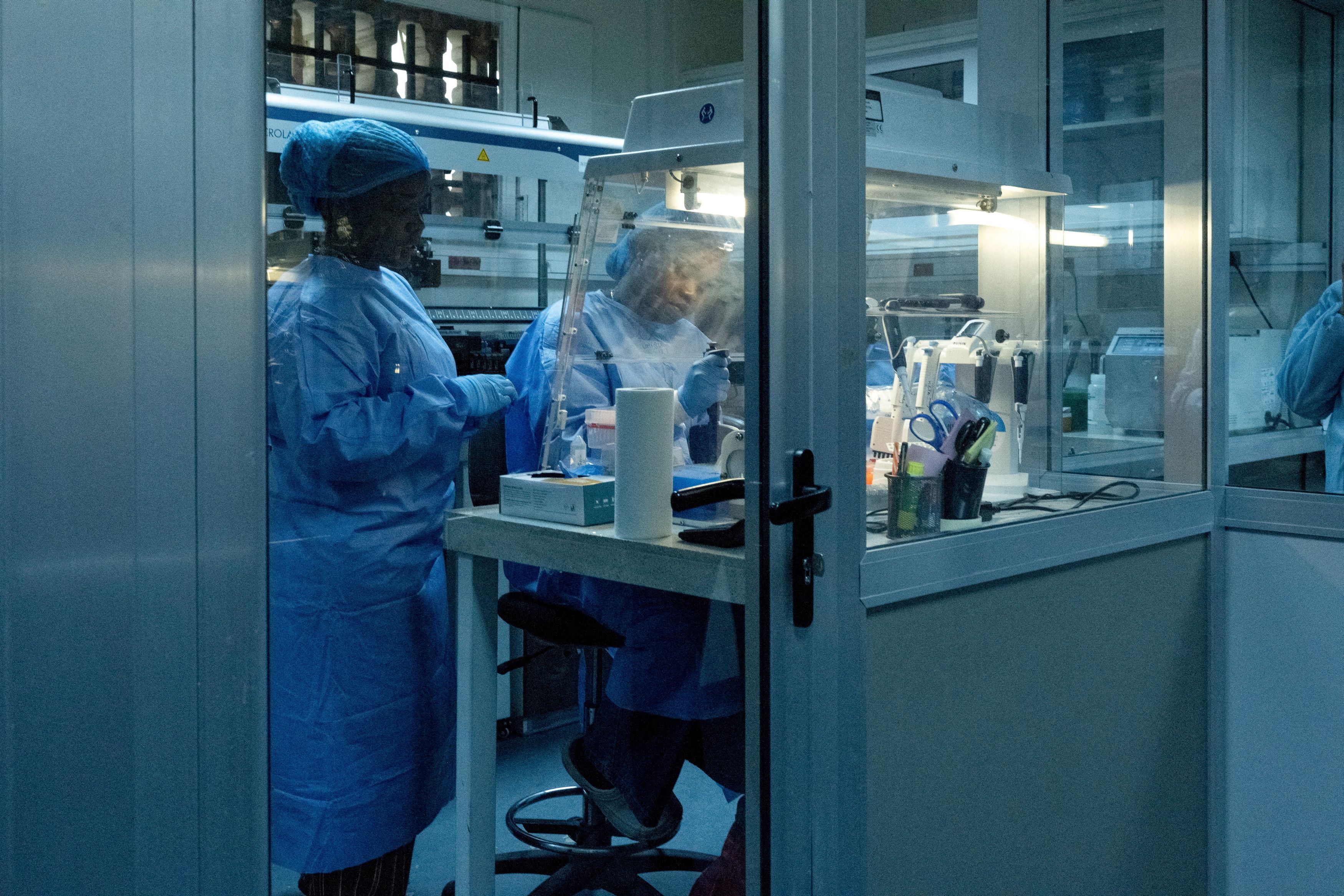
Health authorities have strengthened laboratory capacity, with 10 laboratories now able to test for Ebola. Follow-up is being conducted for approximately four out of every five identified contacts, although officials say more contacts still need to be traced for each confirmed case.
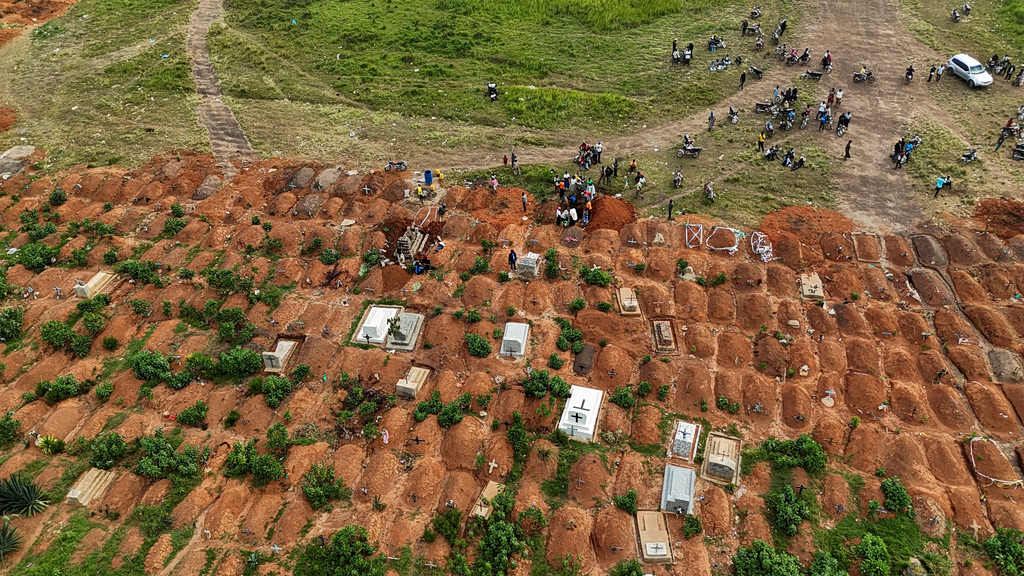
A drone view of displaced people from the Kigonze camp attending the burial of suspected Ebola victims at Nyamurongo Cemetery, one month after an outbreak was declared, in Bunia, eastern Democratic Republic of Congo, June 18, 2026. REUTERS/Gradel Muyisa Mumbere TPX IMAGES OF THE DAY REFILE – CORRECTING INFORMATION TO ADD THAT THE VICTIMS WERE SUSPECTED EBOLA CASES
Treatment capacity has also increased to 650 beds, with around 96% currently occupied. WHO and its partners are working to add another 300 beds to accommodate growing demand.
Separately, the WHO declared the hantavirus outbreak linked to a cruise ship over after the last identified contact completed quarantine and tested negative for the virus. The outbreak involved the Andes virus and resulted in 13 infections and three deaths.
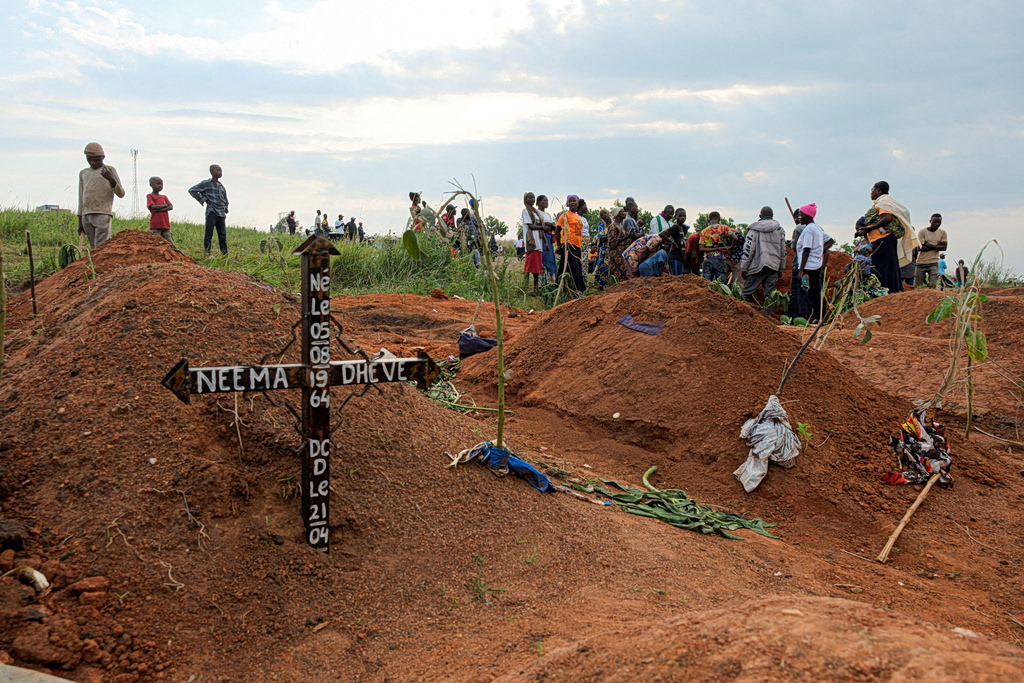
People of the Kigonze displaced persons camp attend the burial of people who are suspected to have died from Ebola, at Nyamurongo Cemetery, one month after an Ebola outbreak was declared, in Bunia, eastern Democratic Republic of Congo, June 18, 2026. REUTERS/Gradel Muyisa Mumbere REFILE – CORRECTING INFORMATION TO ADD THAT THE VICTIMS WERE SUSPECTED EBOLA CASES