The World Health Organization has declared the Ebola outbreak in the Democratic Republic of Congo and Uganda a public health emergency of international concern after the virus killed at least 80 people and spread across borders.
The WHO said the outbreak, caused by the Bundibugyo strain of Ebola, does not currently meet the criteria for a pandemic emergency. However, the agency warned there is a high risk of the disease spreading further to neighboring countries.
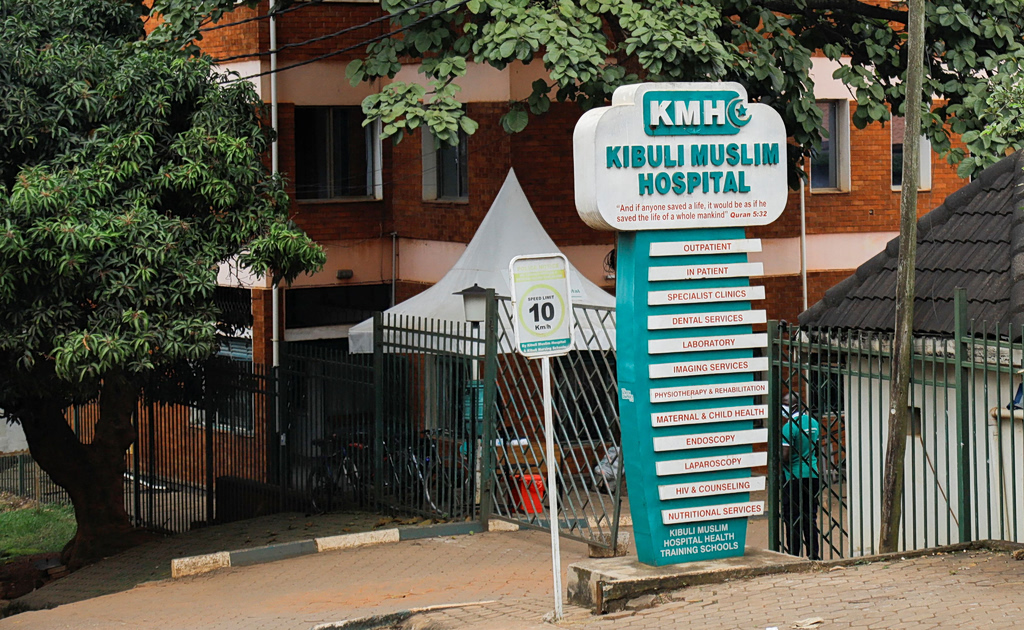
A worker stands guard at the gate of the Kibuli Muslim Hospital where a Congolese man died of Ebola Bundibugyo virus in Kibuli suburb of Kampala, Uganda May 16, 2026. REUTERS/Abubaker Lubowa
As of Saturday, authorities had recorded 80 suspected deaths, eight laboratory-confirmed infections and 246 suspected cases in the DRC’s eastern Ituri province, according to the WHO. Cases have been reported across at least three health zones, including Bunia, Rwampara and Mongbwalu.
A confirmed case was also reported in the eastern Congolese city of Goma, according to a statement from M23 rebels.
The outbreak has already crossed international borders. In Uganda’s capital Kampala, two apparently unrelated laboratory-confirmed cases — including one death — were reported involving travelers arriving from the DRC.
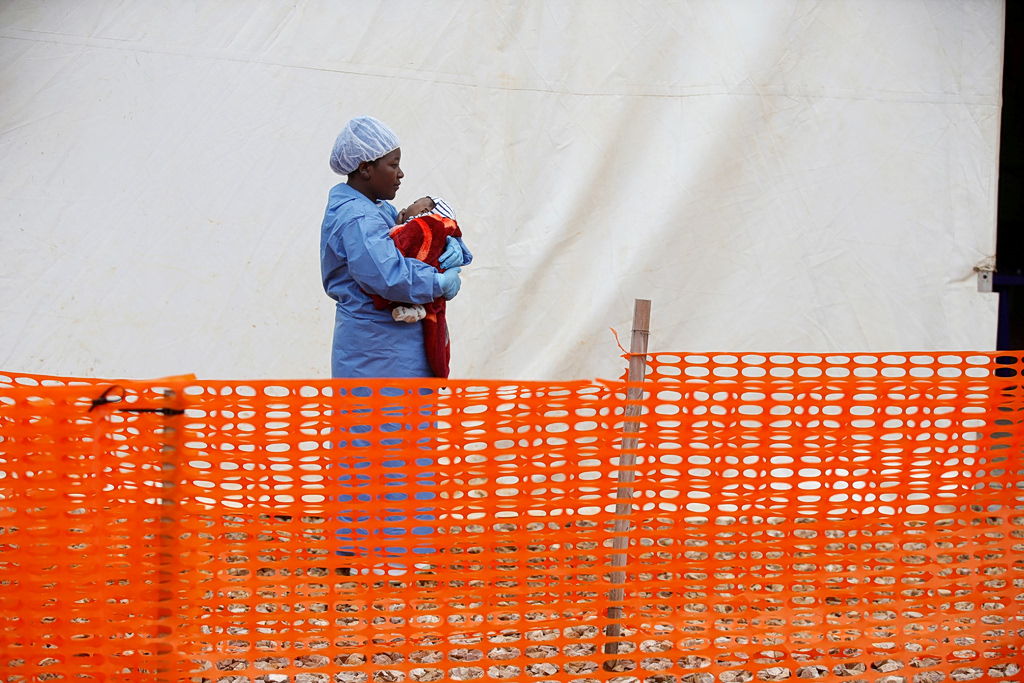
FILE PHOTO: Rachel Kahindo, Ebola survivor working as a caregiver to babies who are confirmed Ebola cases, holds an infant outside the red zone at the Ebola treatment centre in Butembo, Democratic Republic of Congo, March 25, 2019. REUTERS/Baz Ratner/File Photo
The WHO described the situation as “extraordinary” because there are currently no approved vaccines or treatments specifically targeting the Bundibugyo strain. Most previous Ebola outbreaks in Congo were linked to the Zaire strain, for which vaccines and therapeutics exist.
Health officials warned the true scale of the outbreak could be significantly larger due to the high positivity rate in early testing and the rising number of suspected cases.
The WHO urged countries to strengthen emergency response systems, carry out cross-border health screenings and monitor major transport routes. It also advised immediate isolation of confirmed cases and daily monitoring of contacts.
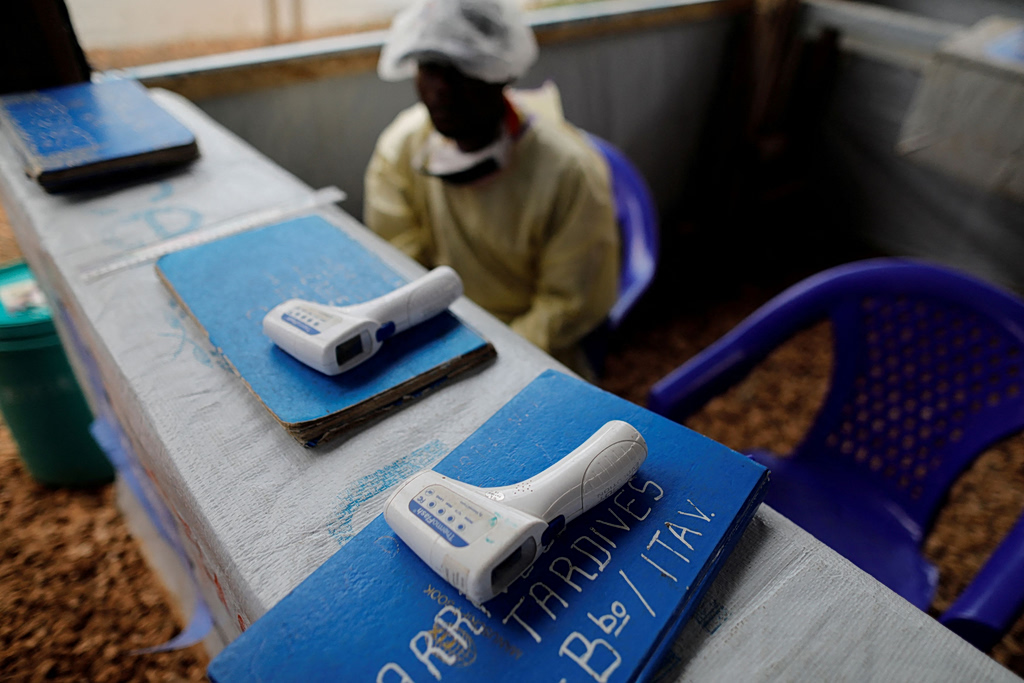
FILE PHOTO: Thermometers are pictured at the entrance of an Ebola Treatment Centre in the Eastern Congolese town of Butembo in the Democratic Republic of Congo, October 4, 2019. REUTERS/Zohra Bensemra/File Photo
People exposed to the virus or confirmed to be infected should not travel internationally unless medically evacuated, the agency said. The WHO also recommended restricting national travel for exposed individuals until 21 days after contact.
At the same time, the organization warned against closing borders or restricting trade, arguing that such measures could drive people toward unmonitored crossings and worsen the spread of the disease.
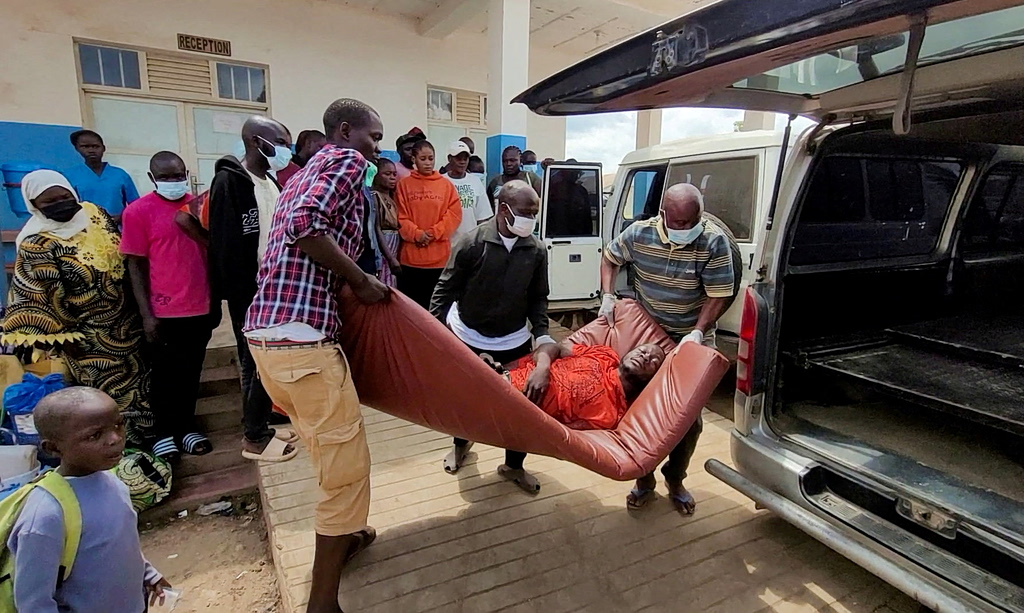
A man is carried from an ambulance as he arrives at Bunia General Referral Hospital following confirmation of an Ebola outbreak involving the Bundibugyo strain in Bunia, Ituri province, Democratic Republic of Congo, May 16, 2026. Picture taken with a mobile phone. REUTERS/Victoire Mukenge
The outbreak has also raised concerns in the United States. CBS News reported that at least six Americans in the DRC had been exposed to the Ebola virus, with three cases considered high risk. Another report by STAT News said one American may have developed symptoms, though Reuters said it could not independently verify the claims.
The U.S. Centers for Disease Control and Prevention confirmed it had activated its emergency response center for the outbreak and planned to deploy additional staff to offices in the DRC and Uganda.
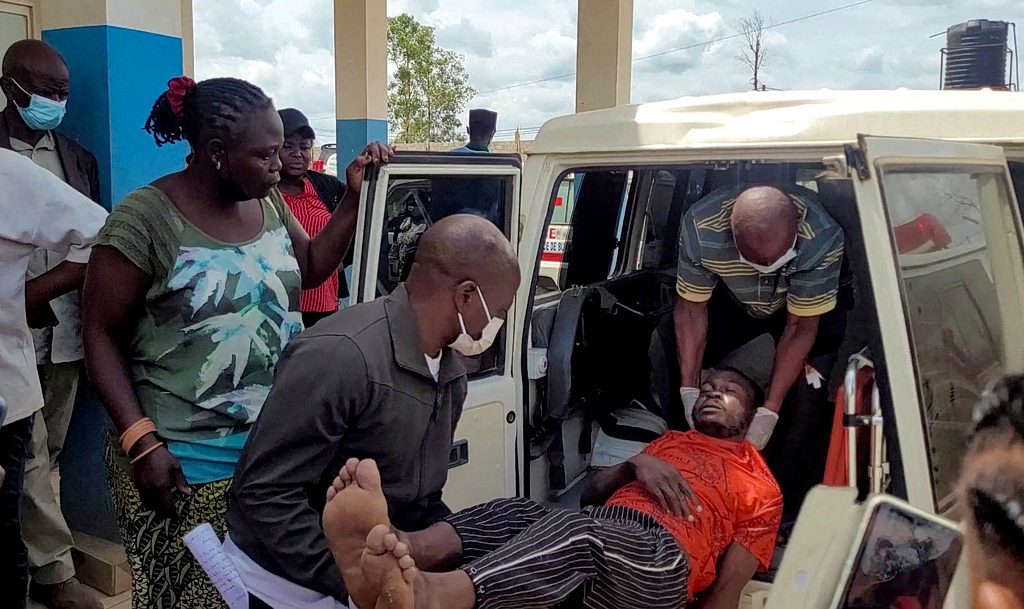
FILE PHOTO: A man is carried from an ambulance as he arrives at Bunia General Referral Hospital following confirmation of an Ebola outbreak involving the Bundibugyo strain in Bunia, Ituri province, Democratic Republic of Congo, May 16, 2026. REUTERS/Victoire Mukenge/File Photo
The U.S. Embassy in the DRC issued a health alert advising Americans not to travel to Ituri province “for any reason,” warning that the U.S. government’s ability to provide emergency assistance in the area was extremely limited.
Ebola, first identified in the DRC in 1976, spreads through direct contact with bodily fluids, contaminated materials or infected individuals. Symptoms include fever, body aches, vomiting and diarrhoea.