
 Μake us preferred on Google
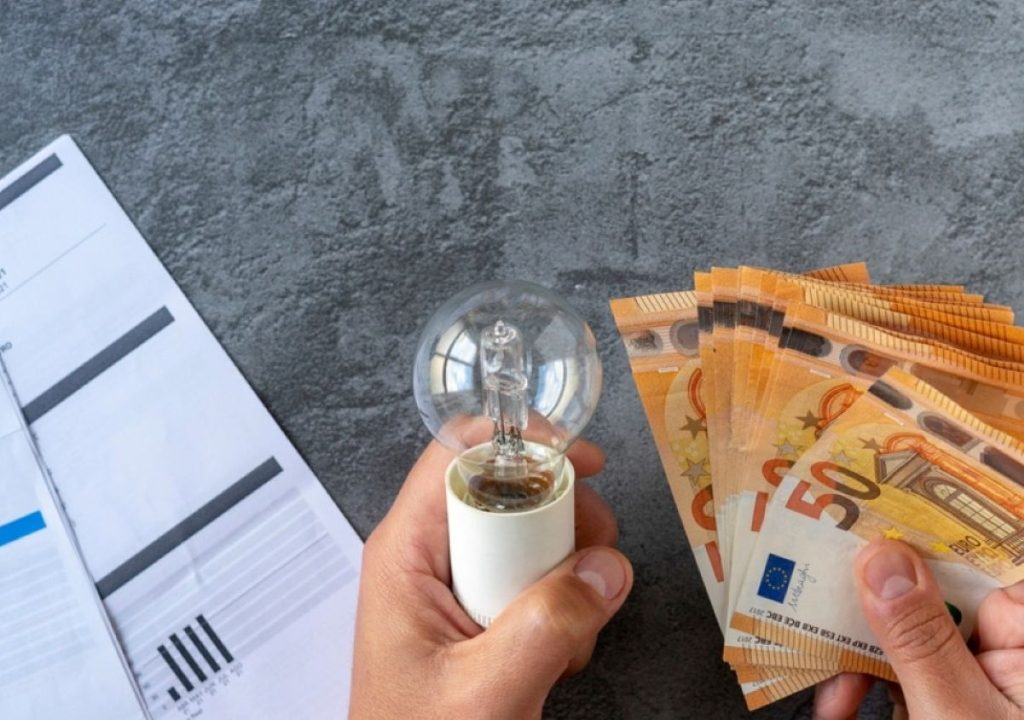
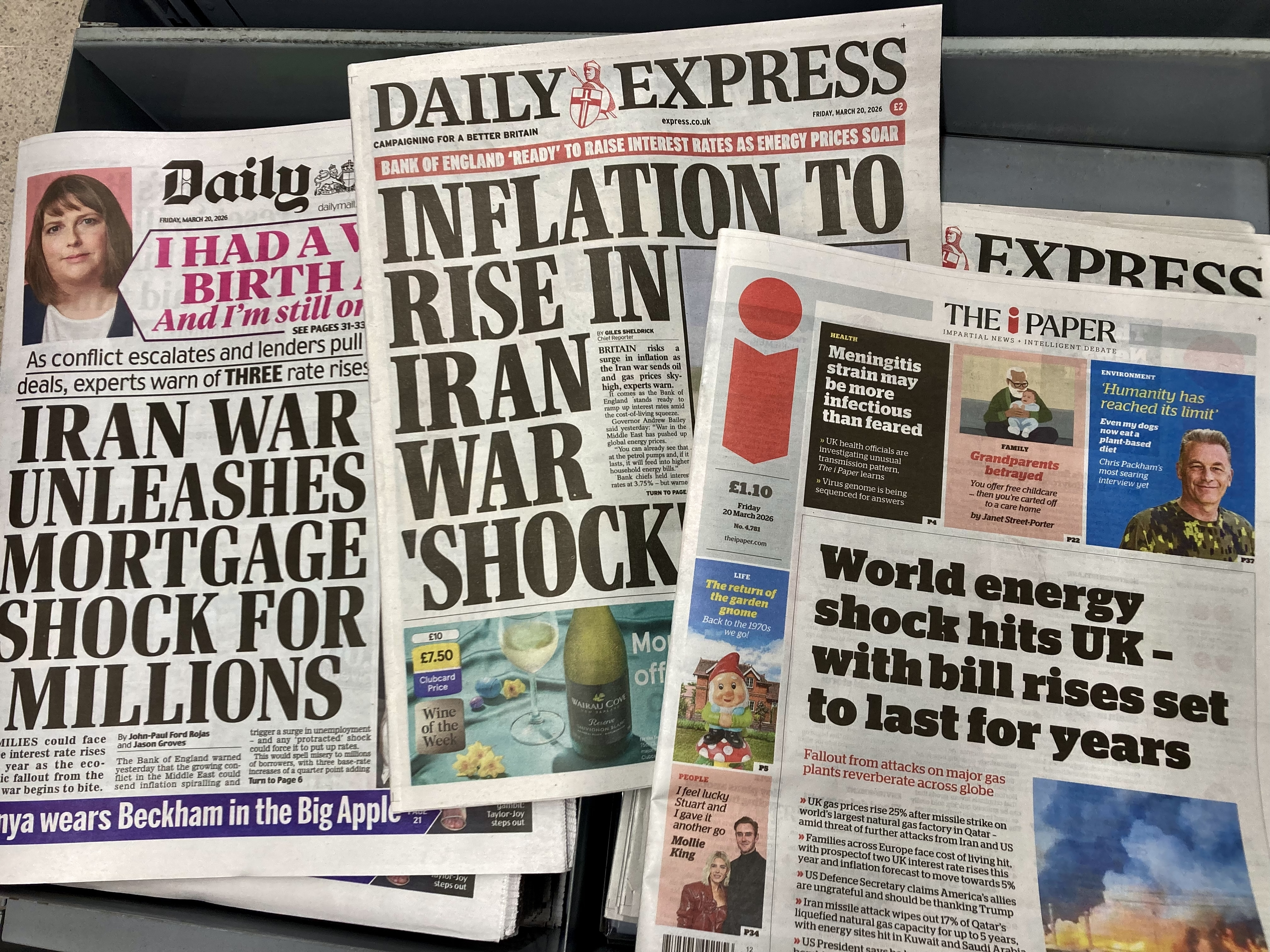
 Household energy prices across Europe shifted sharply in the weeks following the Iran war, with natural gas bills climbing in most major capitals as geopolitical tensions disrupted fuel markets and raised fears over supply security.
According to the Household Energy Price Index (HEPI), residential gas prices in EU capitals rose by an average of 6.8% between February 2 and April 1, 2026, increasing from 10.67 euro cents per kilowatt-hour to 11.40 cents.
As reported in Euronews, the surge followed the joint U.S.-Israeli attack on Iran in late February and Tehran’s retaliatory actions, which rattled global energy markets and intensified concerns over fuel supplies.
Analysts said the Middle East crisis had a more direct impact on gas markets than electricity prices.
“The ongoing geopolitical tension in the Middle East fundamentally constitutes a fuel supply shock,” said Ioannis Korras, senior energy market analyst at VaasaETT. “As a result, the direct impact on European gas supply, and consequently on retail gas prices, is more pronounced compared to the electricity markets.”
Among European capitals, Brussels recorded the steepest rise in household gas prices at 28.8%, closely followed by Berlin at 28.6% and Athens at 21.3%.
Vienna saw prices jump 16.9%, while Amsterdam rose 14.8% and Rome 10.9%. Increases also exceeded the EU average in Bucharest, Riga, London, Paris and Tallinn.
Only a handful of capitals avoided the upward trend. Madrid posted the largest decline in residential gas prices at 7.9%, followed by Ljubljana and Warsaw.
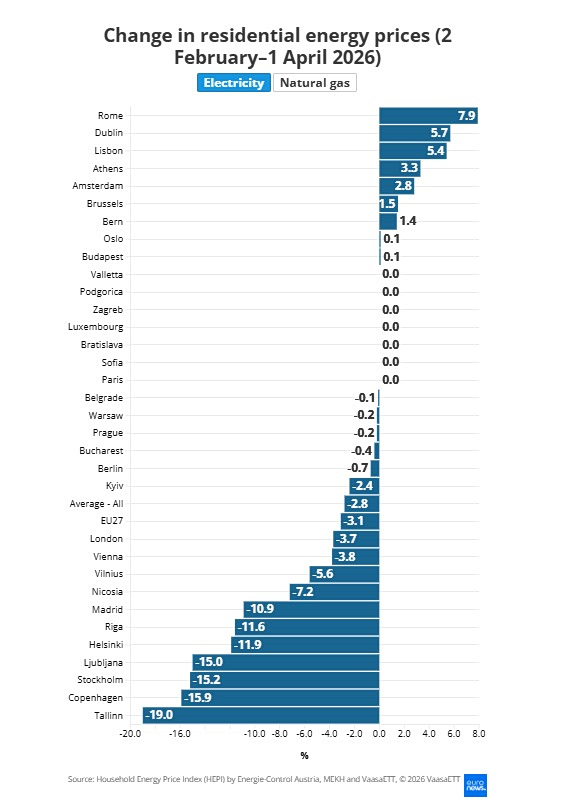
Despite the sharp rise in gas prices, electricity bills across EU capitals actually fell by an average of 3.1% over the same period, dropping from 26.13 euro cents per kilowatt-hour to 25.31 cents.
Tallinn recorded the largest electricity price decline at 19%, ahead of Copenhagen, Stockholm and Ljubljana. Helsinki, Riga and Madrid also posted double-digit decreases.
Government intervention also softened the impact in some countries. Spain, Great Britain and Cyprus implemented measures such as VAT and energy tax reductions to shield households from rising costs.
Still, some cities saw electricity prices rise. Rome registered the biggest increase at 7.9%, while Dublin, Lisbon and Athens also recorded gains.
Analysts noted that countries relying heavily on gas-fired power generation were more exposed to rising wholesale electricity prices.
As of early April, households in Bern, Brussels, Dublin, Berlin and Prague were paying the highest electricity prices in Europe. Kyiv, Budapest, Podgorica and Belgrade remained among the cheapest.
Gas prices also varied dramatically across the continent. Stockholm had the highest household gas price at 35.8 euro cents per kilowatt-hour, followed by Amsterdam, Bern, Vienna and Rome. At the opposite end of the scale, Kyiv, Budapest, Belgrade and Zagreb offered the lowest residential gas prices.