MIAMI—Cuban-Americans are sustaining a Cuban population facing economic collapse, sending a flood of food and medicine to counter a tightening U.S. pressure campaign against the island’s communist government.
At daybreak on a recent morning, travelers heading to Havana had suitcases full of survival goods at Miami International Airport, where the squeak of plastic-wrapping machines for baggage echoed throughout the terminal.
A local handyman, Arsenio García, gingerly guarded a carry-on with a melting cold pack. Inside were $7,000 of chemotherapy drugs for his sister in Havana, who has ovarian cancer.
“I travel with her chemo every six months,” said García, adding that he has spent about $20,000 since her diagnosis just to keep her alive.
On any given day, suitcases contain supplies that would accommodate a hospital operating room, including scalpels, needles and IV bags. Others have diapers and cans of beans.
As the Trump administration tightens sanctions and blocks oil imports to Cuba, the daily logistics of survival have fallen squarely on relatives in Miami, home to the largest Cuban diaspora. Weary families are tightening their own household budgets to ensure their loved ones on the island don’t starve.
The economic squeeze has targeted the island from every angle, stacking new sanctions on top of a decades-old embargo . Cubans no longer have steady electricity, fuel or running water. Intermittent power in some areas returns for as little as 45 minutes a day, causing food to spoil in the scorching heat.
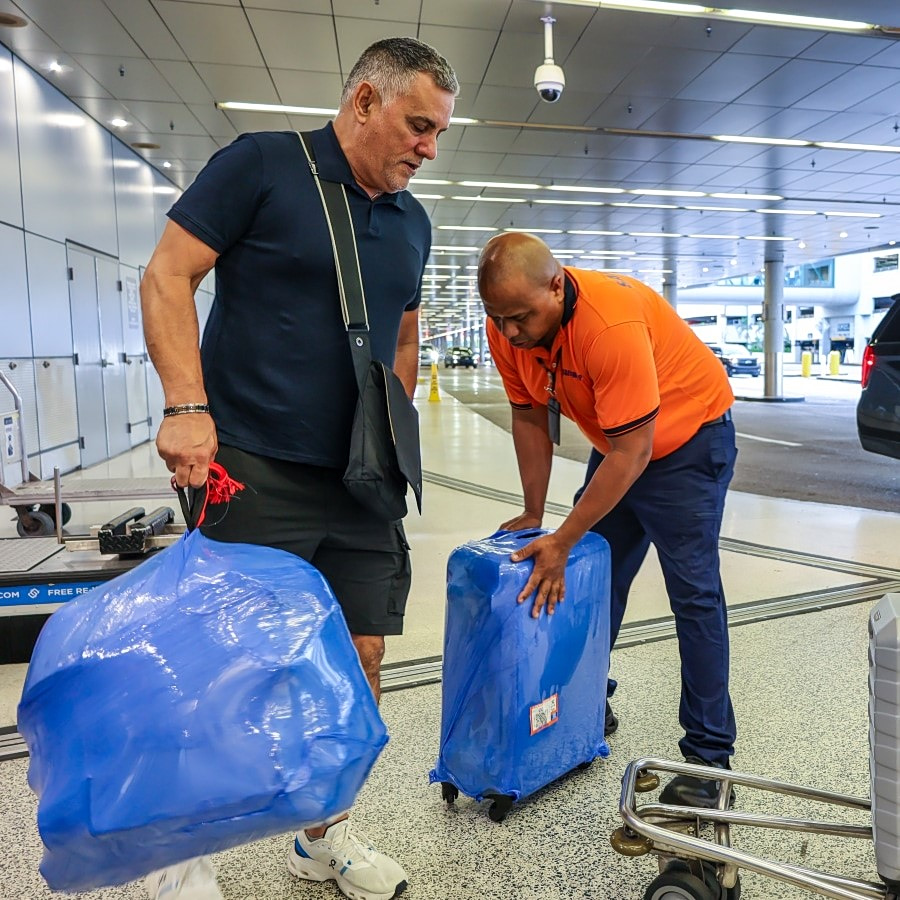
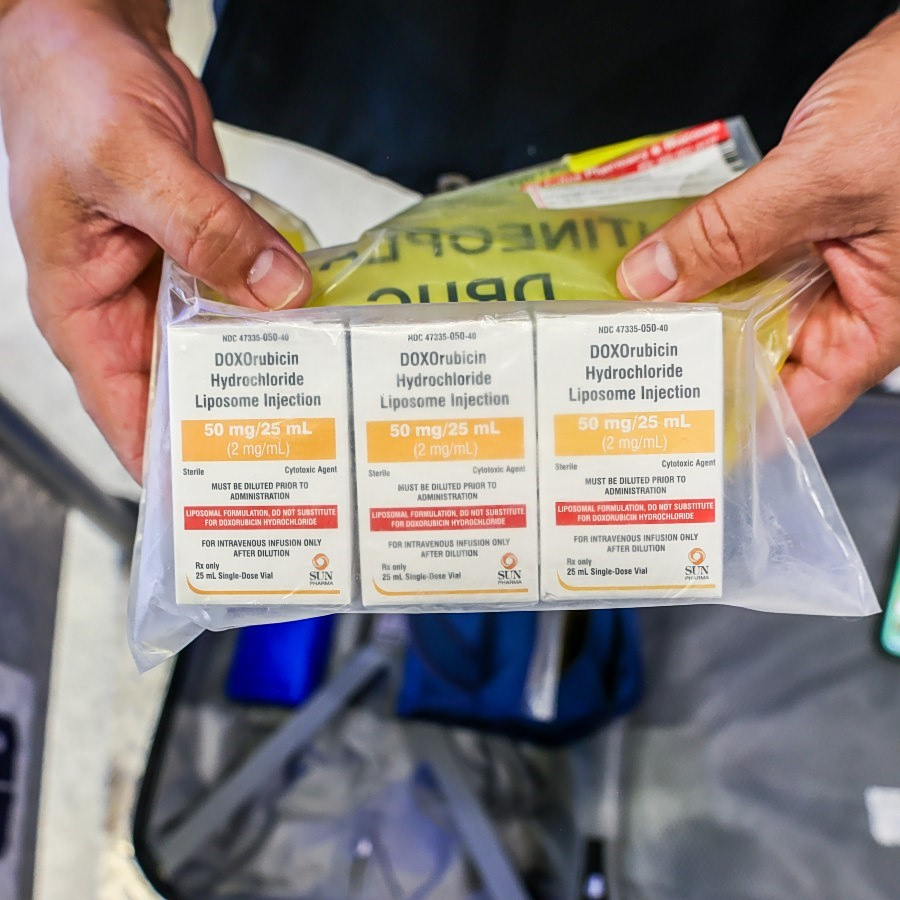
Arsenio García, in dark shirt, recently had his luggage wrapped in plastic at Miami International Airport to avoid theft. He was traveling with medication for his sister.
Zak Bennett for WSJ
The once-vibrant tourism industry is all but dead. Hospitals in Cuba, once heralded for its doctors and healthcare system, are taking only the most critically ill patients.
The U.S. government has restricted legal channels for cash remittances to the island. Many Cuban-Americans now resort to informal service providers such as money runners, known locally as mules. They also stuff what amounts to big care packages onto planes and ships heading to the island.
“People are using more merchandise delivery than cash transfers,” said Manuel Orozco of Inter-American Dialogue, a Washington, D.C., think tank. “Historically, during periods of duress, societies turn to material goods instead of cash.”
Total remittances and material goods to the island amounted to $3 billion last year, according to Emilio Morales of the Havana Consulting Group, a Miami-based market-intelligence firm.
While cash accounted for $1 billion, the rest was made up of physical goods. Nearly one-third of Cuba’s population relies directly on these shipments and informal remittances, Morales said. Roughly 90% of these shipments and transfers originate in the U.S., primarily out of Miami.
Several countries, such as Mexico and China, and charity groups are also shipping aid, primarily staples such as rice. In many cases, the distribution of these goods isn’t as effective as a direct shipment from relatives in the U.S., according to Cuban residents.
The informal supply chain developed by the diaspora in the U.S. reflects a conundrum for the Cuban-American community, which overwhelmingly favors regime change but sends aid that slows down the economic collapse. Cuban-Americans remain divided over whether economic pain will finally trigger a political breaking point or compound civilian suffering.
“It’s a test over how much a humanitarian crisis can bring political change,” Orozco said of Washington’s actions. “We’ll find out soon.”
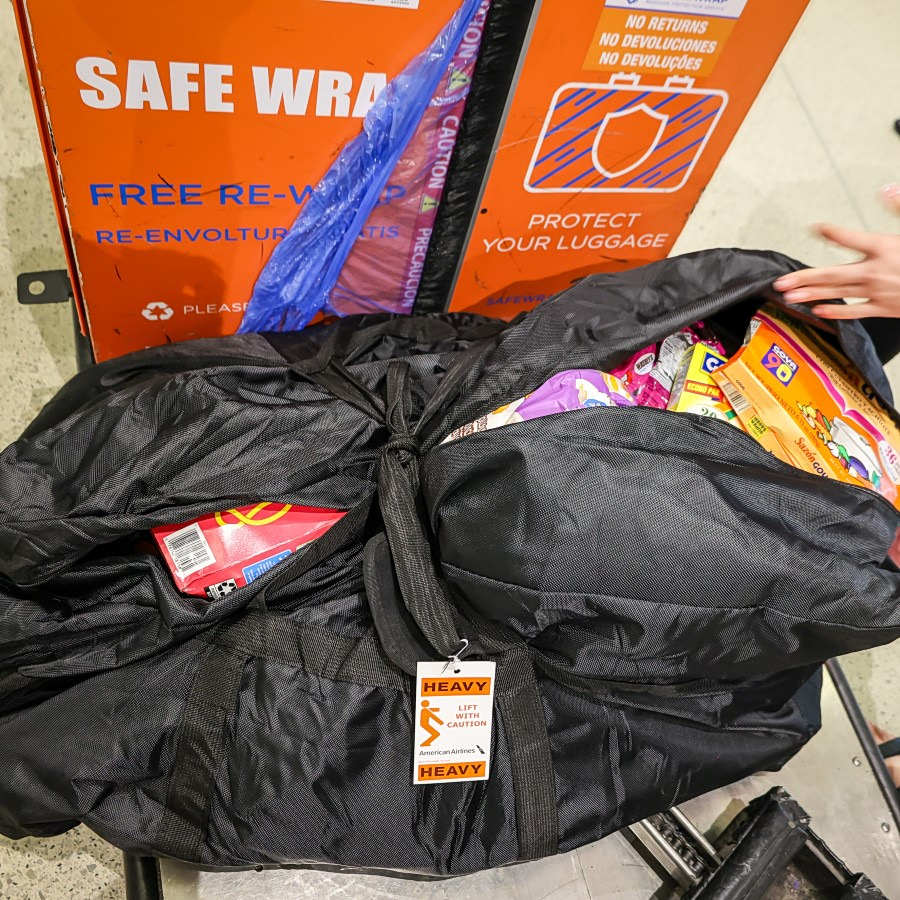
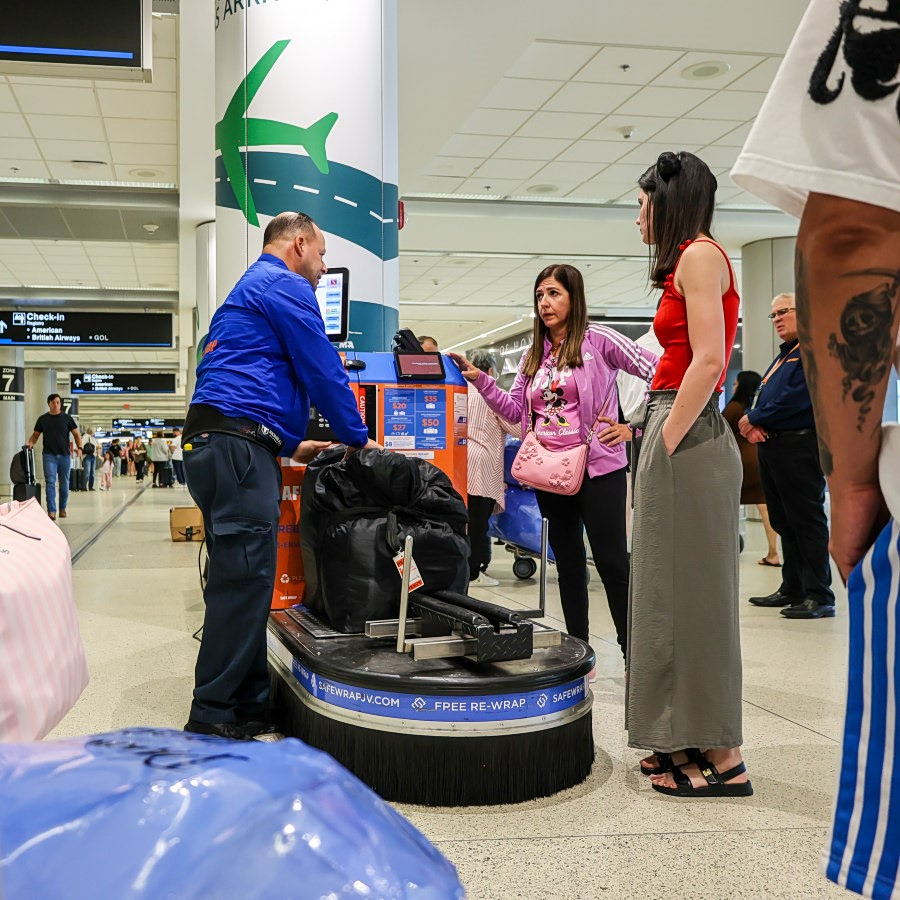
Passengers visit a baggage-wrapping station at the Miami airport to protect items including food and candy.
Zak Bennett for WSJ
Secretary of State Marco Rubio , the son of Cuban immigrants who came to Florida in 1956, has often described Cuba as a “failed state” and a threat to U.S. national security. He blames the communist regime’s incompetence for the collapse of the Cuban economy.
“The real reason you don’t have electricity, fuel or food is because those who control your country have plundered billions of dollars, but nothing has been used to help the people,” Rubio said in a video message to people on the island last month.
The economic fallout is absorbed by families across Miami-Dade County, where the cost of survival is measured in grocery receipts.
At a branch of the cargo-shipping agency CubaMax in the Miami suburb of Hialeah, Fla., residents pushed shopping carts filled with everything from cans of Spam to expensive solar-powered generators that some Cubans now rely on for electricity.
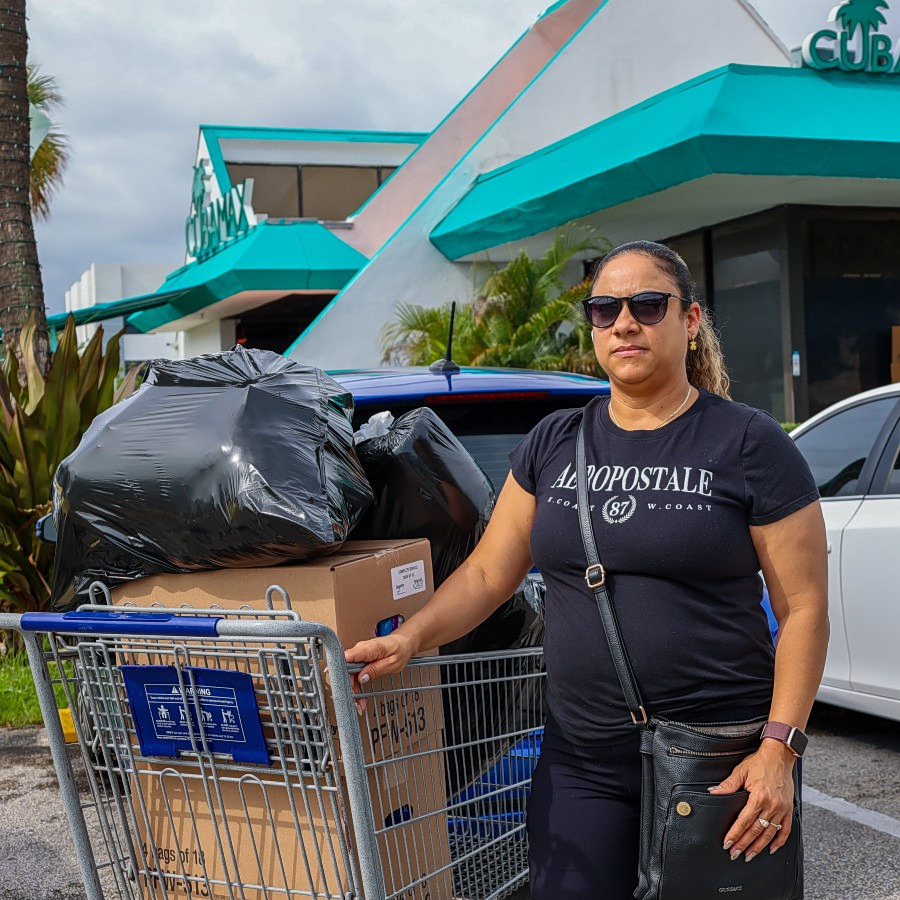
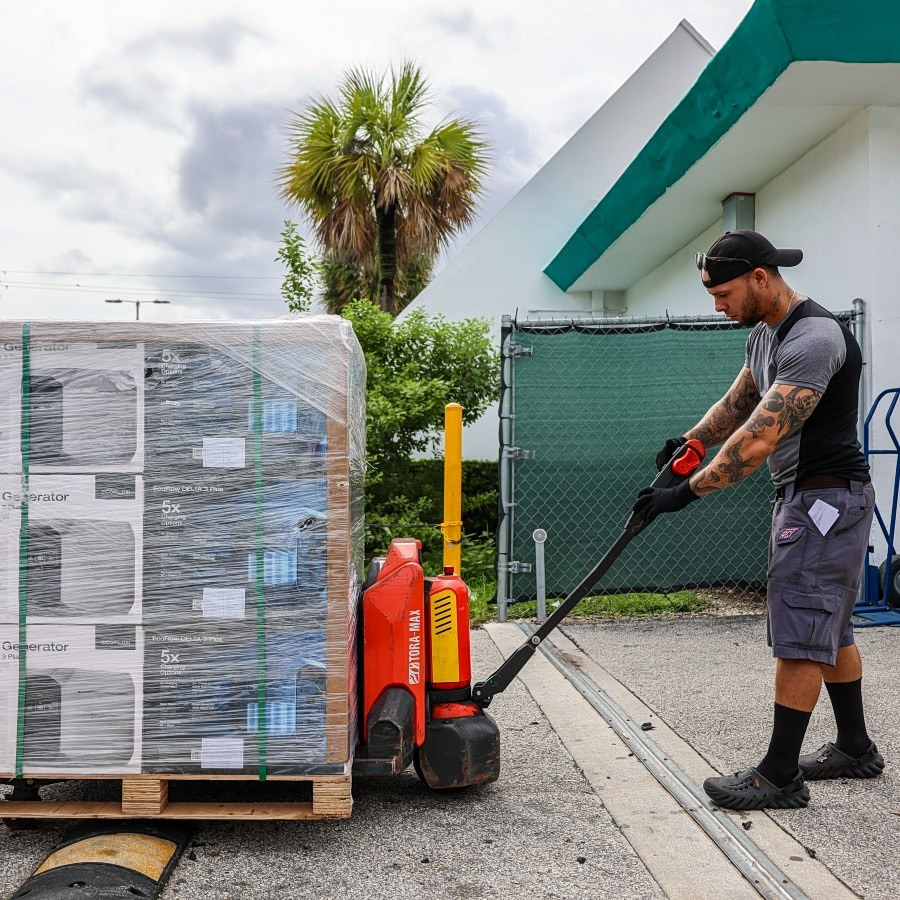
Janet Vigo’s shopping cart in Hialeah is filled with boxes and bags for relatives in Cuba. A pallet is loaded with solar-powered generators.
Zak Bennett for WSJ
Janet Vigo, a nail-salon technician, prepared four boxes of adult diapers and a rechargeable fan for her 84-year-old bedridden grandmother, who recently broke her hip.
“They’re using their hands or pieces of cardboard to fan themselves,” Vigo said.
Those sending aid face logistics delays at the destination. Once packages arrive, they frequently sit at the port in Havana for two weeks or more because fuel shortages prevent local delivery trucks from operating.
Outside the shipping agency, Reynaldo González ordered pan con minuta , a fried-fish sandwich with the tail, from a local food truck before driving back to Clewiston, Fla. He had traveled to take advantage of a $1-a-pound shipping special to send rice, beans and baby essentials for his relatives.
“In Cuba, hunger, misery and humiliation are the order of the day,” he said.