

 Μake us preferred on Google
 Commercial air travel has been dragged into the front lines of escalating conflicts across the globe, with airports, planes and airspace becoming the deliberate target of missile and drone attacks on a scale not seen before.
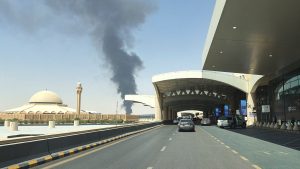
Since the U.S. and Israel started the Iran war in February, major airports across the Middle East have been repeatedly targeted. Parked aircraft have been hit by missiles or falling debris from interceptor systems, killing crew members and passengers. The threat culminated Saturday in a Houthi missile strike at Riyadh’s King Khalid International Airport that killed at least 12 people and injured more than 300 others.
The strike, the deadliest attack on Saudi Arabia in more than a decade and among the worst direct missile attacks on a civilian airport, left airlines scrambling to divert scores of aircraft and cancel more than 1,000 other flights. Authorities reported new attacks on the closed airport Sunday, saying a projectile caused a fire in Terminal 4 and led to injuries, while a cruise missile was destroyed nearby.
Other major Saudi airports have also been hit, all but cementing the collapse of one of the two remaining primary air corridors connecting Europe and Asia.
Governments including the U.S., U.K. and Australia are telling citizens to avoid the Riyadh airport following the attack. France, Canada and Germany are warning airlines that flying over all or large parts of Saudi Arabia is no longer safe.
The active targeting of aircraft and airports this year by conventional missiles and long-range drones is unprecedented in its frequency and the damage inflicted at major airports, and the threat is being exacerbated by dwindling supplies of air defense missiles. Experts and safety advocates say travelers shouldn’t take an airline’s decision to fly as a guarantee of a route’s safety.
“All of this is up to the individual country managing its airspace, and the airline to conduct its own risk assessment,” said Matt Borie, chief intelligence officer at aviation security specialist Osprey Flight Solutions. “They’re counting on the country to have done the right things to keep the airspace safe,” he said, adding that passengers should consult their governments’ travel advice.
Range of risks
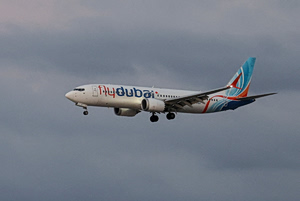
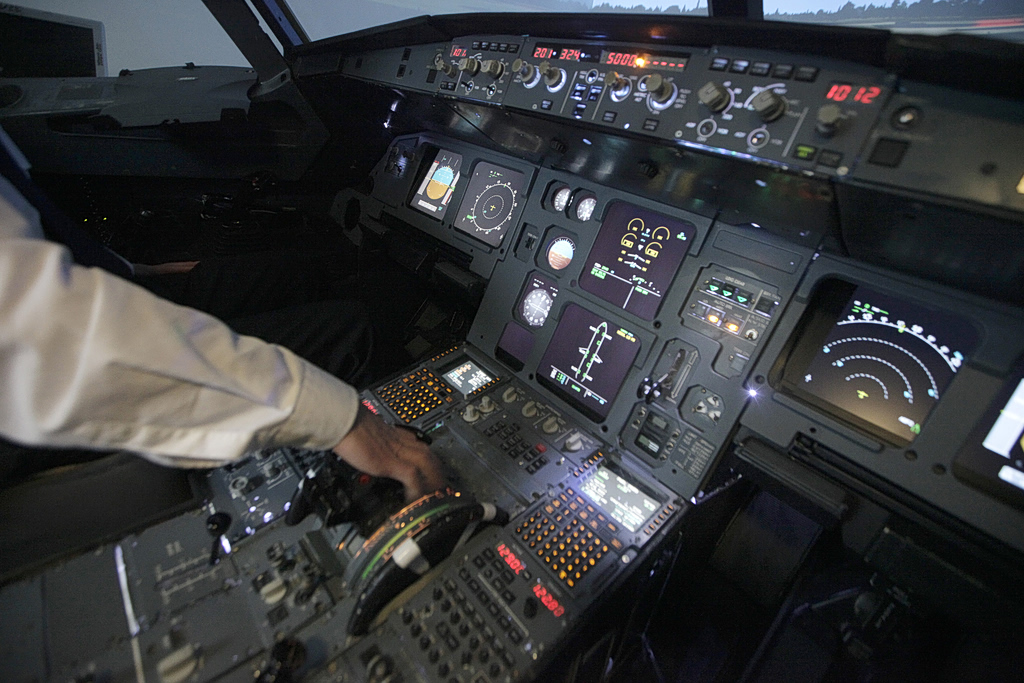
The Houthi attacks—and the group’s declaration that it would target more commercial airports—come after the failed attempt by a FlyDubai pilot to hijack a plane en route to Israel this month and crash it into Tel Aviv Airport, demonstrating a new range of risks from inside the flight deck.
Since late February, Iran has blown up fuel tanks and damaged parked aircraft, runways and air-traffic control infrastructure across major airports in Dubai , Qatar, Bahrain, Kuwait and elsewhere. In March, three private jets were hit by Iranian missile debris on the tarmac at Tel Aviv Airport, leading Israel to temporarily close its airspace.
Israeli strikes have meanwhile hit targets at Beirut Airport, while Saudi Arabia bombed Yemen’s San’a Airport in July to prevent a plane carrying a Houthi delegation returning from the funeral of Iran’s Ayatollah Ali al-Khamenei from landing. And Ukraine has embarked on an effort to shut down Russian skies with relentless drone attacks, criticizing Moscow for not taking steps to declare the airspace unsafe for civilian flights, as Ukraine did at the start of the war in 2022.
Governments have typically been slow to warn airlines or shut airports and airspace in the face of an active attack.
Saudi Arabia had been reluctant to shut down its airspace or airports wholesale. Aside from short closures as Houthi missiles were landing, its airports had remained largely open.
That changed after Saturday’s deadly attack. The airport has since been closed, but is currently set to reopen at midnight Sunday while authorities investigate the scale of the damage, according to a notice to operators from the airport.
The increasing threat to civilian aircraft has prompted rare rebukes from the International Civil Aviation Organization, the United Nations body that governs global air travel, which last month reiterated a call for member states to prevent aviation from being dragged into ongoing hostilities.
“While the aviation industry is able to reroute flights and maintain operations during conflicts, this operational flexibility does not address the fundamental security threat,” the U.N. agency said.
The Yemeni militia’s barrage of missiles on Saudi Arabia since last month has also struck fuel tanks at the capital airport, hit airport warehouses, destroyed a parked Airbus A320 aircraft, damaged at least five other planes and killed several airline workers, including a captain at the country’s flag carrier.
More dangerous airspace
The attacks prompted a warning from the European Union’s aviation regulator last week about flying through parts of Saudi airspace. The notices follow an Oct. 5 warning from the Houthis that Saudi skies would become a “theater for the operations of our armed forces.”
“The Houthi have made it very clear—both in actions and in messaging—that they are targeting civil aviation,” OpsGroup, an independent aviation safety group, said in an alert on Friday, recommending airlines avoid flights at all altitudes across any part of Saudi airspace.
The warnings over Saudi Arabian skies, which had been regarded as one of the few safe passages through the Middle East, are pushing airlines to scale back flying in what had become one of only two primary corridors left linking Europe and Asia.
Airlines have repeatedly had to alter flight paths to account for global conflicts, with the rapidly shrinking airspace proving painful at a time when jet fuel is trading at about twice the price it was this time last year.
The shifts began in earnest with the closure of Ukrainian skies in early 2022 and Moscow’s subsequent ban on European, U.S. and other carriers using its skies. The closure of a critical corridor over Iraq at the start of the Iran war this year pushed more airlines to fly through Saudi airspace. Increasingly, airlines have been relying on a sliver of airspace passing over Georgia, Azerbaijan and Turkmenistan to travel between Europe and Asia.
Virgin Atlantic, for example, has been flying its twice-daily route from Mumbai to London via central Asia since late September. The airline previously routed it frequently through Egypt and Saudi Arabia.
That fallback has become congested despite posing its own risks, including the potential for spillover from the Russia-Ukraine war. It typically passes over Afghanistan—which under Taliban rule doesn’t provide active air-traffic control—and skirts active fighting along the Pakistan border.
Carriers often are left with no good options. Air India and Turkish Airlines have shifted some routes so that their aircraft fly along the Saudi-Iraq border further away from threats of Houthi attacks. But those flight paths typically pass near Syria’s capital, Damascus, which is still regarded as a risky zone.
The route changes also disrupt the complex orchestra put together by airlines’ flight planning teams, which must account for everything from crew working-hour limits to the delicate balance of connecting flights.
Australia’s Qantas , for example, earlier this year suspended its direct flight from Perth to London after calculating that the 17-hour flight wasn’t viable without flying through the Middle East. It now flies the route with a fuel stop in Singapore, adding as much as four hours to the journey.
Write to Benjamin Katz at ben.katz@wsj.com