
 Μake us preferred on Google
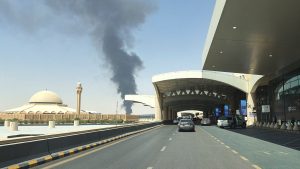
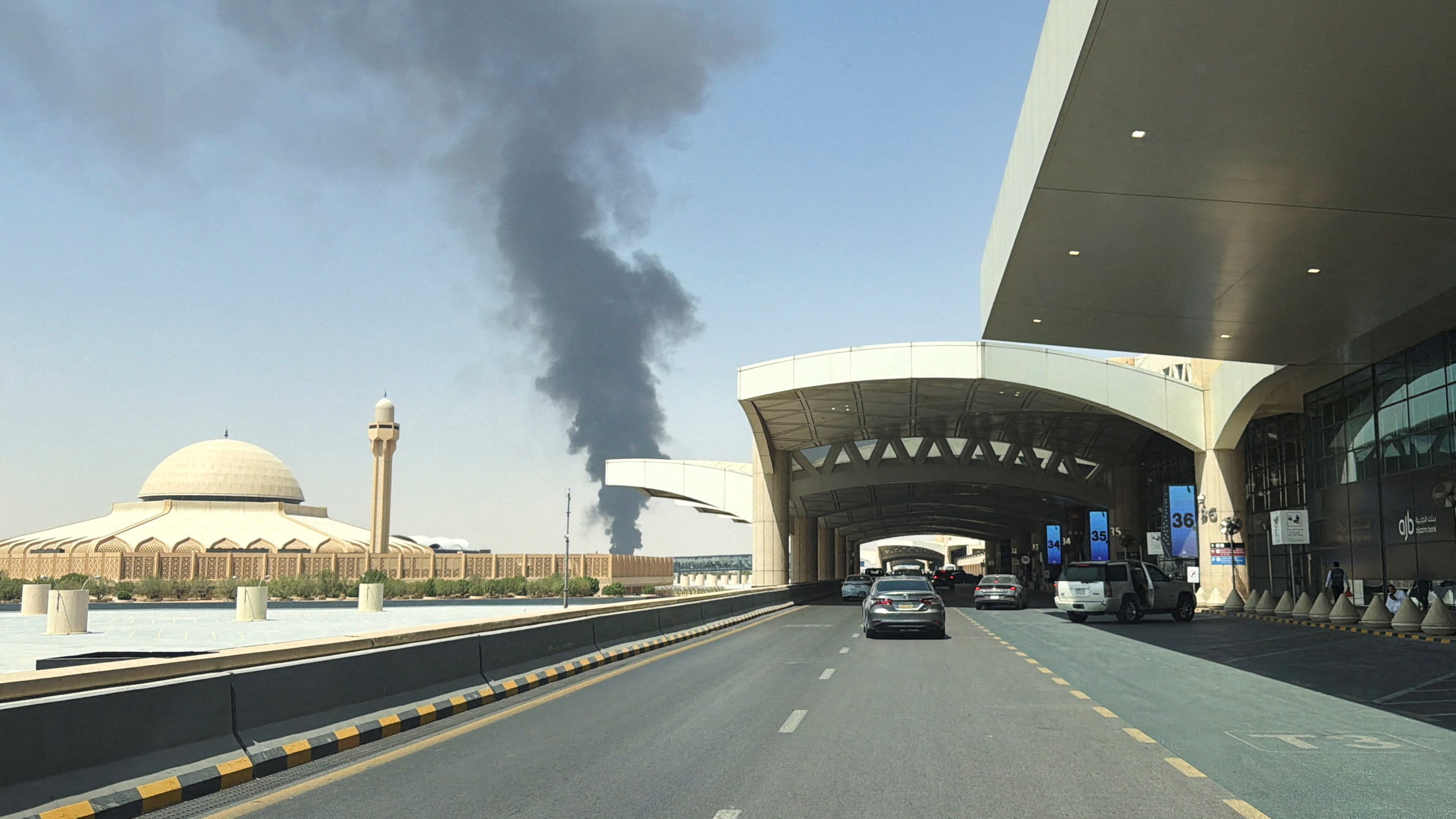
 DUBAI—An airborne attack targeted jet-fuel storage at the airport in Saudi Arabia’s capital Saturday, marking the first direct assault on Riyadh in months as Yemen’s Houthi rebels squeeze the kingdom’s Red Sea route for its oil exports.
Black smoke could be seen at King Khalid International Airport, in the latest escalation in the attacks targeting the kingdom.
The strike hit jet fuel facilities at the airfield, three officials with knowledge of the incident said. It wasn’t immediately clear if a drone or a missile caused the damage. The Saudi government didn’t respond to a request for comment.
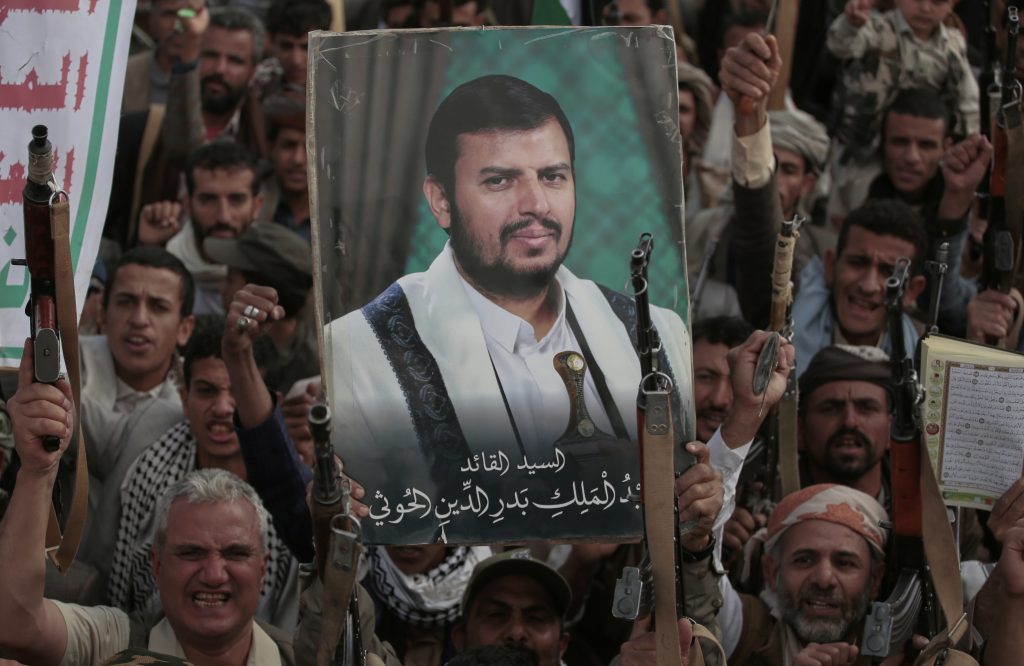
No one immediately claimed the assault, but Iran and its allies have been looking for ways to slow Saudi Arabia’s exports to increase the pain on the U.S. and the world’s economy. Saudi Arabia has been targeted over the last weeks in attacks launched from both Iraq, where Iranian-backed Shiite militias operate, and Yemen, home to the Houthis.
The Houthis didn’t immediately claim the attack. However, there had been a series of alerts sent early Saturday morning by authorities over likely incoming fire, including in Riyadh.
The Houthis have targeted Riyadh’s airport in the past. In 2017, the Houthis launched a ballistic missile at the airfield that Saudi Arabia said it intercepted. They also targeted the airport in 2018 in an attack that killed an Egyptian, as well as in 2020.
Yemen’s war began in 2014, when the Houthis swept into the nation’s capital, San’a. A Saudi-led coalition entered the war on behalf of Yemen’s internationally recognized government in 2015. The conflict has killed over 150,000 people, displaced millions and pushed the Arab world’s poorest nation to the brink of famine.
In recent years, a tentative ceasefire had held as Saudi Arabia paid the salaries of Yemeni government officials, including those in San’a. That came as the Houthis attacked Israel and struck ships in the Red Sea during the Israel-Hamas war in the Gaza Strip.
The Houthis began their new offensive in early September. They quickly swept into the Red Sea port city of Mokha and took Perim Island in the Bab al-Mandeb, the narrow southern mouth of the Red Sea.
That gave the Iranian-backed rebels a means to squeeze Saudi oil exports, which already had been upended by a drone attack launched from Iraq that hit the kingdom’s crucial East-West oil pipeline . The push comes as Iran faces a U.S. naval blockade halting its oil exports out of the Persian Gulf.
U.S. Navy Adm. Brad Cooper, the head of the American military’s Mideast-based Central Command, said in a video statement Saturday that more than 1 billion barrels of crude oil from American allies had made it out of the Strait of Hormuz despite Iranian attacks.
Cooper didn’t provide specifics behind the 1 billion-barrel figure, and the number is difficult to compare directly with outside estimates. Commercial tracking firms generally indicate lower oil flows through the strait, though their estimates are complicated by vessels operating with their transponders switched off and making other hard-to-track movements to avoid being attacked.
Saudi Arabia meanwhile has sought international support to counter the Houthis, though so far there has been no major counteroffensive.
The Houthis also claimed shooting down a Saudi F-15 jet fighter Wednesday, releasing footage that appeared to show the aircraft’s burned remains. Saudi Arabia hasn’t formally acknowledged losing the jet.
Write to Summer Said at summer.said@wsj.com and Jon Gambrell at jon.gambrell@wsj.com