 Μake us preferred on Google
 Cuba’s communist regime wants to open up its moribund economy to the Cuban-American diaspora, allowing foreign-based entrepreneurs to open up businesses and buy property in a bid to stave off economic disaster amid pressure from the Trump administration .
Cuban Deputy Prime Minister Oscar Pérez-Oliva Fraga —a nephew of former President and Communist Party chief Raúl Castro—said that the government is open to having a fluid commercial relationship “with Cubans residing in the United States and their descendants.”
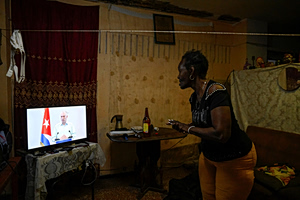
He said in a television interview with NBC News broadcast Monday that his government was also open to having a relationship with U.S. companies. He said Cuba wants to energize sectors of the Cuban economy ranging from real estate to tourism and infrastructure.
His remarks are a departure from decades of hostility toward the Cuban-American diaspora, an affluent and powerful community that has historically been aligned with the Republican Party and has been the main proponent for tightening sanctions on Havana.
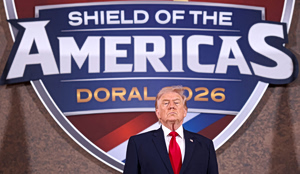
President Trump , who has imposed a crushing oil blockade on the island, has repeatedly said the Cuban government is close to collapse and wants to make a deal. Trump told reporters Monday he would be “having the honor of taking Cuba.” He added: “Whether I free it, take it. Think I could do anything I want with it.”
Any major influx of Cuban-American capital would require the U.S. to lift current sanctions barring Americans from most business dealings with Cuba. So far, Trump administration officials haven’t indicated that they are willing to do so.
“None of this changes rules and restrictions in the U.S.,” said Matthew Aho , a Cuban expert at law firm Akerman. “It takes two to tango.”
Under Cuba’s current law, Cuban-Americans can invest in the island only if they re-establish residency in Cuba, which leaves them at the mercy of a totalitarian regime. Removing this and other hurdles could transform the diaspora into a recognized foreign investor class.
The Cuban government has long resisted allowing Cuban-Americans to invest in the island because of fear of losing political control. It has also limited the ability of the island’s small private sector to expand because it fears the rise of a class of entrepreneurs that at some point could challenge the regime.
But given the implosion of the island’s economy , the insolvent government is desperate for investment and hard currency.
For the most part, only people with an emotional attachment to the island would be willing to invest, given how bad economic and business conditions are on the island, said William LeoGrande , a Cuba expert at American University in Washington, D.C.
The changes could strengthen foreign investor rights. Many of the small and medium businesses existing on the island are already funded and supplied by Cuban-Americans living in Florida strongholds such as Miami and Hialeah, said LeoGrande.
From the first days of his rule, Fidel Castro referred to Cubans, many of whom were driven into exile after their properties were confiscated, as “gusanos,” Spanish for worms. But during times of hardship, the regime has often been willing to consider the worms as returning butterflies, tapping hard currency from visiting Cuban-Americans without giving up political control.
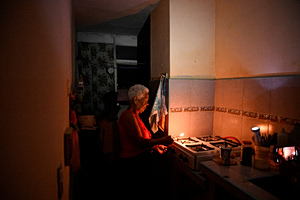
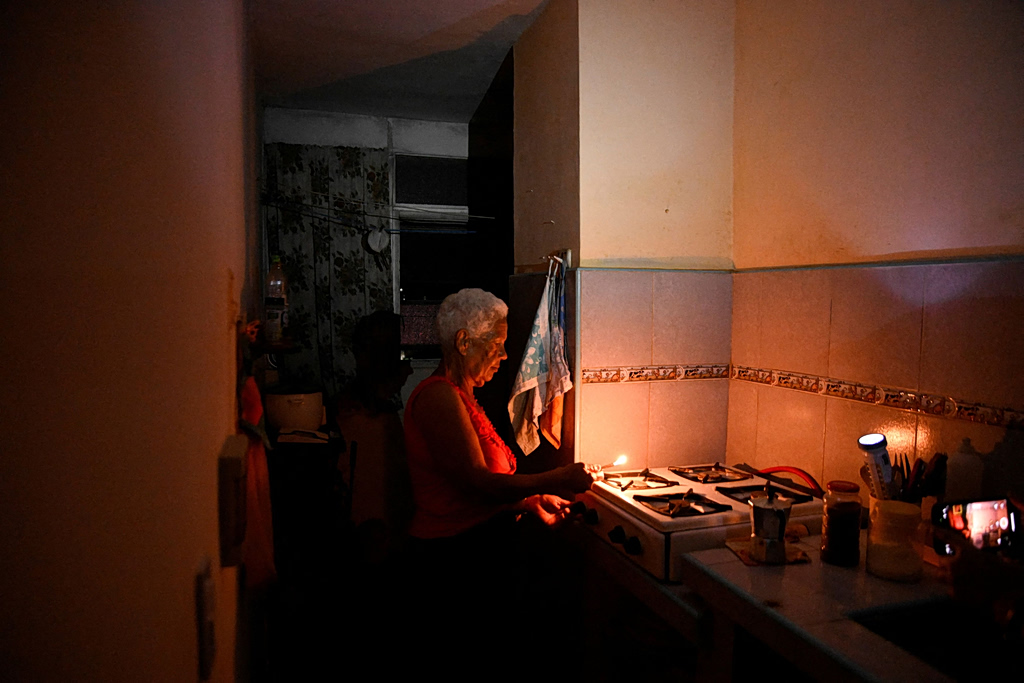
In the past month, under pressure from the U.S., Cuba announced a series of economic overhauls including allowing private companies to import and distribute fuel into the country to cushion an energy crisis. On Monday, Cuba’s entire power grid crashed as the government grappled with fuel shortages and obsolete power plants.
The Trump administration has also authorized some U.S. exporters to ship fuel to Cuba for private businesses.
Cuban-American hard-liners are denouncing the measures, saying they must come with a change in regime.
“How many times is the Cuban regime going to expropriate & steal businesses until they’re finally called what they are: PROFESSIONAL THIEVES!” Rep. Carlos Giménez, (R., Fla.), wrote on X. “Anyone who invests in Cuba under this regime is insane!”
Write to Deborah Acosta at deborah.acosta@wsj.com , Vera Bergengruen at vera.bergengruen@wsj.com and José de Córdoba at jose.decordoba@wsj.com