 Μake us preferred on Google
 TARTU, Estonia—Across Estonia, on NATO’s eastern border with Russia, preparing for potential war has become a part of everyday life.
In Tartu, a large university city in the country’s east, city planners conducted drills on mass evacuations and sudden attacks on city hall. They are setting up short-term emergency shelters for 100,000 people by 2028. Heads of kindergartens are given specialized crisis training and emergency supplies with radios, first-aid kits and portable stoves.
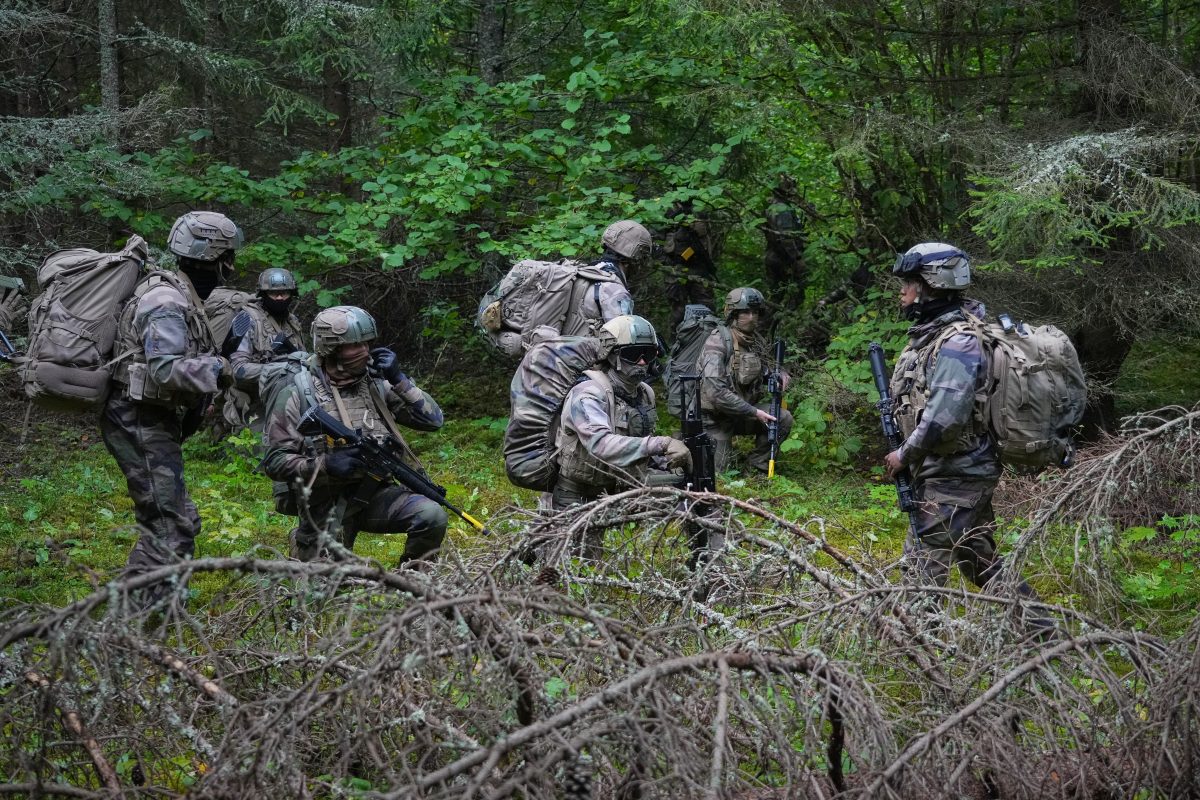
High schools across the country are teaching students how to operate drones. And in eastern Estonia and neighboring Latvia, thousands of soldiers from across the North Atlantic Treaty Organization conduct an annual large-scale military exercise with heavy military equipment—and hundreds of drones.
Four years after Russia launched its full-scale invasion of Ukraine, the war has dragged on without an end in sight. President Trump has shifted his failed efforts to broker peace in Ukraine to the continuing war in Iran.
Ukraine meanwhile has gained an edge on the battlefield, but Russia’s Vladimir Putin hasn’t altered his long-term aims of subjugating Ukraine despite Russia’s staggering battlefield losses, senior Western defense and intelligence officials say.
Even if the world’s focus has moved on from Ukraine, Estonia and its neighbors can’t afford to do so.
Russia doesn’t pose an imminent threat to Estonia or neighboring countries in NATO with the bulk of its forces bogged down in Ukraine, officials say. But once the war in Ukraine ends, many Western officials expect Moscow to set its sights on the Baltic region as part of Putin’s ambitions to revamp Russia’s role as a global superpower and restore influence over former Soviet states that joined NATO and pivoted West. Putin has repeatedly characterized NATO as a top threat to Russia, though NATO officials dismiss these claims and maintain the alliance is defensive in nature.
With that in mind, officials here say they have a clear strategy: Show Moscow that Estonia and its fellow Baltic neighbors in NATO will never be a convenient target of opportunity. That means routine military drills, diplomatic coordination with NATO, and strengthening civil society against any form of Russian aggression, from military incursions to disinformation campaigns.
“This is how deterrence works,” said Marek Kohv of the International Centre for Defence and Security, an Estonian think tank. “You have to always be ready to not be invaded by Russia. The more you are preparing, the more ready you are, the more Russia sees that there is no easy fight to win.”
Estonia’s actions also offer a window into how Europe is scrambling to scale up its defenses amid fears over both Putin’s long-term ambitions in Europe and anxiety about wavering U.S. commitments to its European allies under Trump.
Officials here say they would be steadily preparing to deter any Russian incursion regardless of who occupies the Oval Office. But Trump’s rebukes of NATO have raised the stakes and pushed Estonia to cement deeper ties with other larger allies, such as the U.K. and France, even as they say the U.S. remains the main bulwark against Russia in NATO.
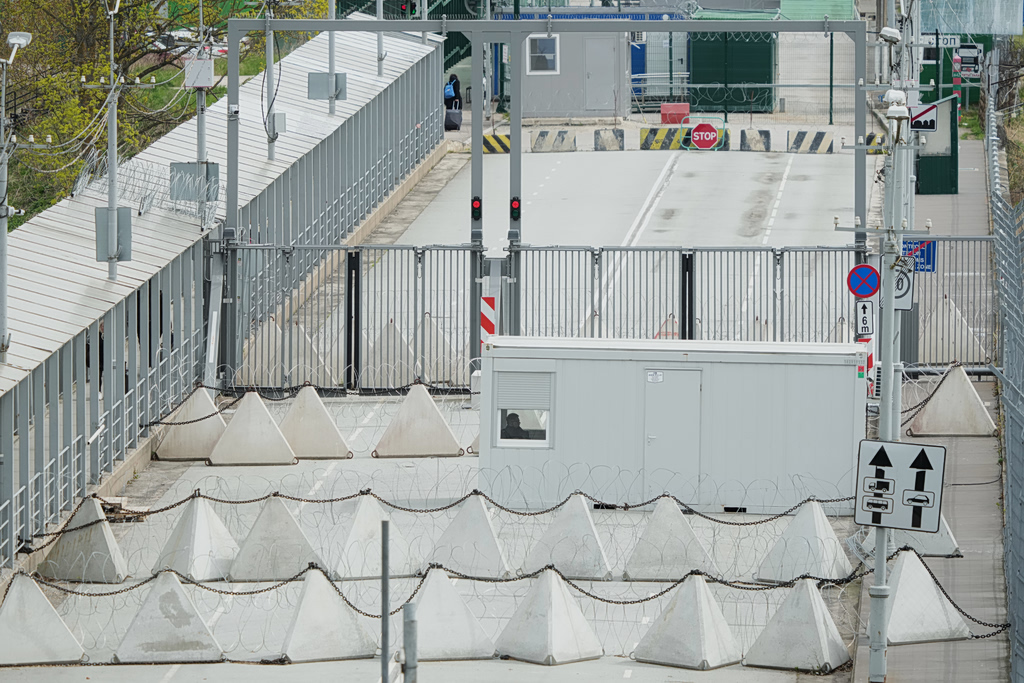
Anti-tank barriers and barbed wire are installed on bridge on the Estonian-Russian border in Narva, Estonia, Saturday, May 9, 2026. (AP Photo/Sergei Grits)
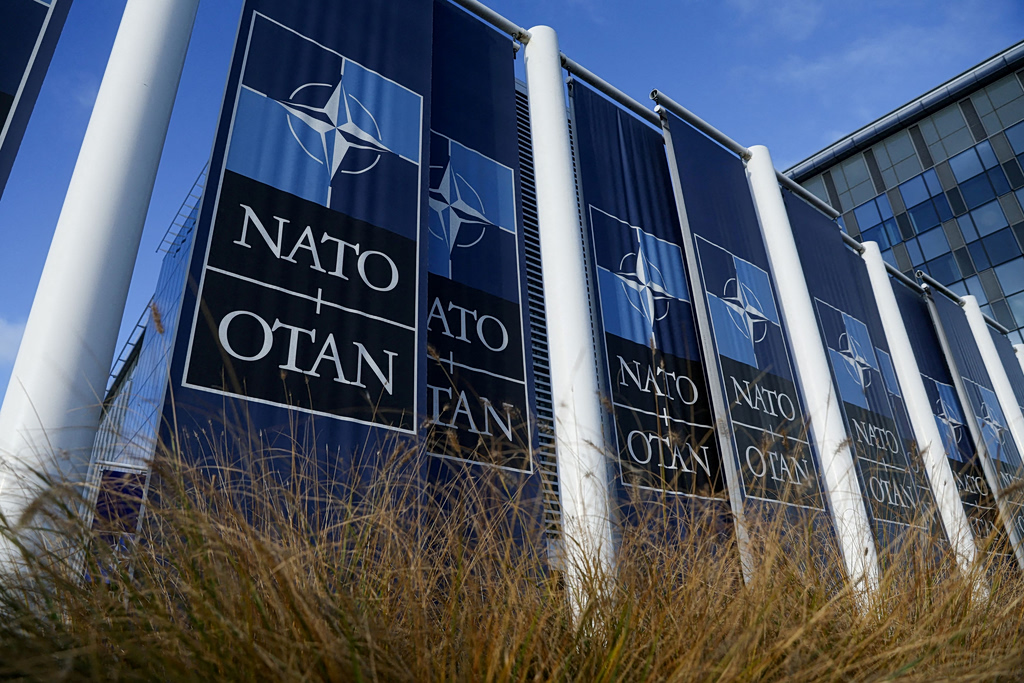
The bedrock of NATO is the treaty’s Article 5, which states that an attack on one ally constitutes an attack on all. This put newer NATO members, including those formerly in the Soviet bloc from Estonia to Poland to Romania, under the protective fold of the U.S. and other allied militaries.
Yet the Trump administration has told allies it will draw down part, but not all, of the U.S. military footprint in Europe that has deterred Moscow since the Cold War. Trump has also repeatedly lambasted the alliance as a “paper tiger” after he accused allies of not stepping up enough to aid the U.S. war against Iran.
While local governments go through crisis training, the Estonian government has also rapidly scaled up military spending and routine military exercises with other NATO troops.
Trump has railed against some allies for not spending enough on defense, though those criticisms are never directed at Estonia or most other countries on NATO’s eastern front. Estonia in 2025 was the fourth-highest spender on defense as a share of its GDP among the alliance’s 32 allies, behind its close neighbors Poland, Lithuania and Latvia. It aims to spend roughly 5.4% of its GDP on defense by the end of the decade, with significant investments in air defenses, drone capabilities and U.S.-made High Mobility Artillery Rocket Systems.
Estonia this month hosted an annual exercise, dubbed Spring Storm, with about 12,000 troops from across NATO, including contingents from the U.K. and France. Ukrainian specialists are partaking in the exercise, sharing their expertise with NATO forces on drone warfare.
Convoys of French and British armored vehicles lumbering down rural roads or stopping outside of convenience stores for their occupants’ quick snack and coffee breaks have become routine in eastern Estonia.
“It sends a signal to Russia that whatever happens, Estonia is going to be ready, Estonia is going to fight, Estonia is not alone,” said Viktor Kalnitski , deputy commander of the Estonian defense forces.
A key part of that strategy is absorbing lessons from Ukraine on how drones are reshaping modern warfare. Ukraine has managed to hold, and in some cases regain, territory from Russian forces despite Moscow’s larger army. Estonia, closely eyeing battlefield developments, has made significant shifts in its military spending in response to the advent of modern drone warfare.
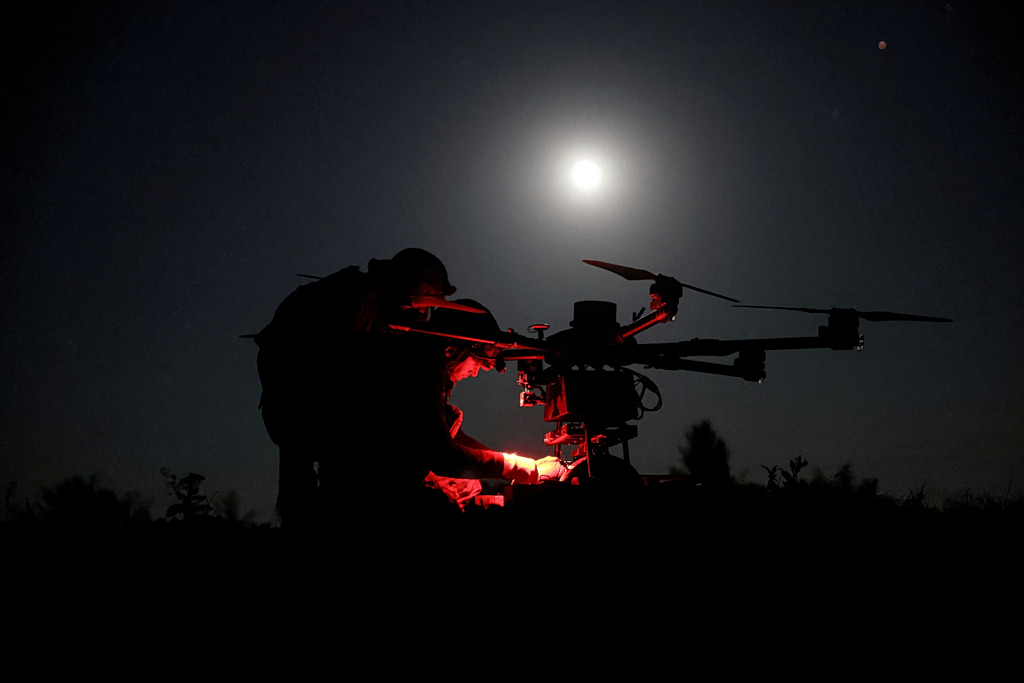
Ukrainian Armed Forces prepare a Kazhan heavy combat drone before flying it over positions of Russian troops, amid Russia’s attack on Ukraine, near the frontline town of Chasiv Yar in Donetsk region, Ukraine May 15, 2025. Oleg Petrasiuk/Press Service of the 24th King Danylo Separate Mechanized Brigade of the Ukrainian Armed Forces/Handout via REUTERS ATTENTION EDITORS – THIS IMAGE HAS BEEN SUPPLIED BY A THIRD PARTY/File Photo
Estonia last month halted a $587 million contract with a Swedish-led consortium for armored infantry fighting vehicles and plans to instead reallocate that money to investments in drones and air defense, a move that Estonian officials said is in response to developments in the war in Ukraine.
In Nurmsi, Estonia, the government last year opened a first-of-its-kind drone-training center to allow Estonia and other allies to test drones by a grass-covered airfield surrounded by some of the country’s vast pine forests. The $5.8 million center was funded by Luxembourg, one of NATO’s smallest members.
A large garage in the center has a stockpile of various types of drones, including small combat drones that were downed on the battlefields in Ukraine and brought to the facility by visiting Ukrainians. Estonian troops, as well as the Estonian Defense League, a volunteer force established to help support the small country’s regular military, frequently use the facility to test drones and counterdrone electronic warfare.
Rain-Alari Külm , commander of a drone unit with the Estonian Defense League, said his unit is working to learn hard-won lessons from Ukraine. Külm, a product manager with the country’s public information agency, said his volunteer unit includes members from all walks of life, including businesspeople, IT technicians and construction workers.
In a military exercise last year, the volunteer defense league, joining with Ukrainian specialists, effectively destroyed a heavily armed NATO battle group with drones during one drill.
Külm said these types of training exercises help Estonia “hope for the best but be ready for the worst.”
“We have been a neighbor of Russia for a long time,” he said. “We know who they are and how they act. So we will be prepared.”