PARIS—This city has some of the world’s greatest museums, but visiting them can be a trial. Annual attendance at the Louvre is approaching 10 million—more than twice the number the museum anticipated in its late-20th-century expansion. Meanwhile, over at the Musée d’Orsay, known for its Impressionist holdings, annual attendance is closing in on four million.
If that sounds overwhelming, Paris offers several lesser-known but still rewarding alternatives. You may find a fraction of the crowds, at sometimes no cost at all, and encounter some of the city’s most unusual and compelling displays.
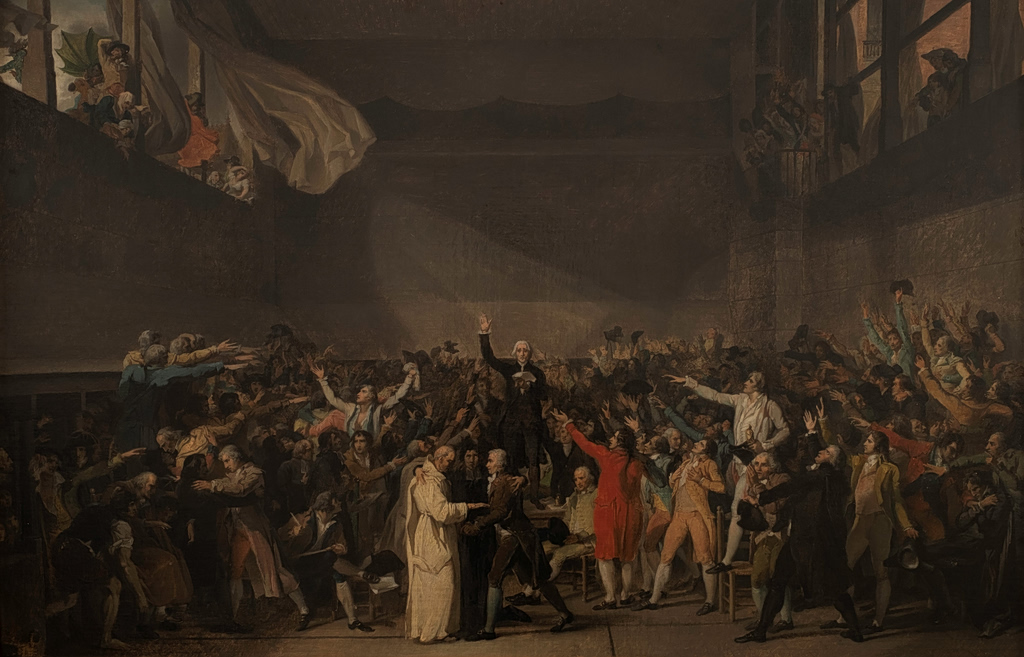
David, Jacques-Louis (1748-08-30 – 1825-12-29), Serment du Jeu de paume, le 20 juin 1789, 1791. Huile sur toile. Musée Carnavalet, Histoire de Paris.
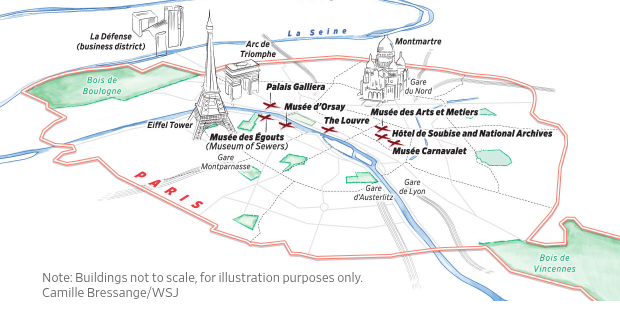
Musée Carnavalet
From the start of Louis XIV’s reign in the 17th century until Paris fell to the Nazis in 1940, the city was the world’s undisputed tastemaker in everything from philosophy to furniture. The Musée Carnavalet, devoted to the history of the city of Paris, is rich in objects associated with the city’s centurieslong heyday and much more. With free admission, it’s also one of the city’s secret bargains.
A favorite among the French but still under the radar for many Americans, the Carnavalet is located in a sprawling complex of historical buildings in the Right Bank’s Marais district. Its standout artifacts include Voltaire’s custom-designed gilded armchair, equipped with a writing desk and drawers, and a re-creation of the bedroom of Marcel Proust, including a piece of his famously cork-lined, soundproof walls. It also has grand interiors like a lavish 1920s ballroom first created for a French steel tycoon.
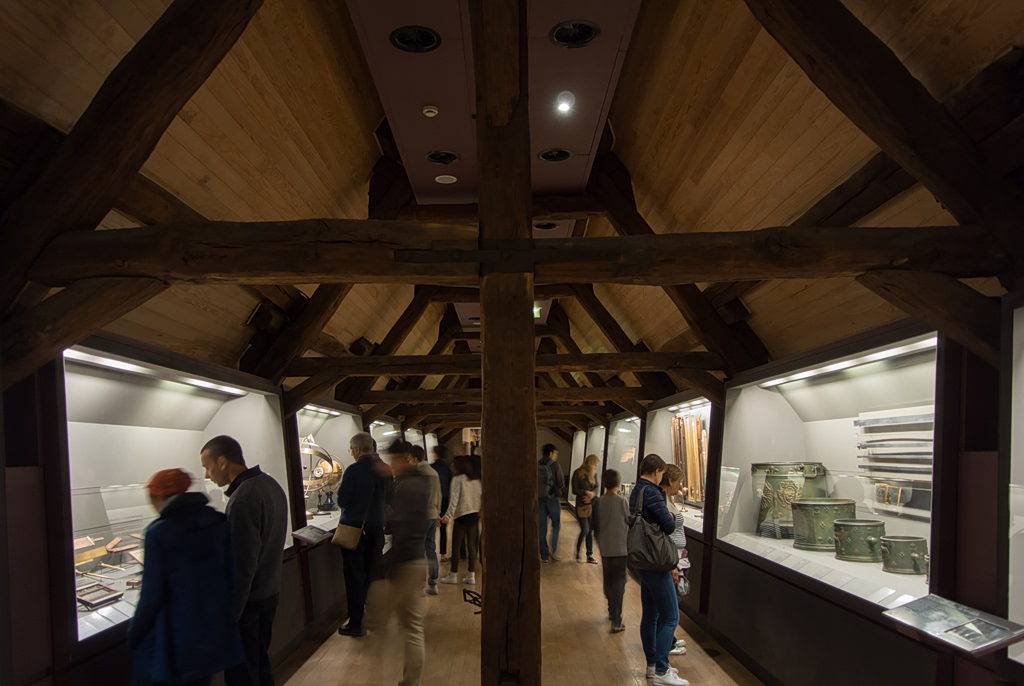
Measuring Instruments Gallery at the “Musée des Arts et Métiers”, Paris.
Musée des Arts et Métiers
Paris’s enormous science and technology museum is a reminder of France’s role in helping the world modernize and mechanize. Housed in what was a medieval priory, on the edge of the Marais district, the Musée des Arts et Métiers (Museum of Arts and Crafts) is also a vivid reminder that technological change was for centuries connected to artistry. Grouped into categories like scientific instruments, modes of transportation and communication devices, many of the objects are nearly jewel-like.
The French were pioneers in aviation, photography and filmmaking, and these technologies’ earliest machines and devices are on display, such as the 1895 Cinematograph, a groundbreaking camera and projection system created by the Lumière Brothers. Presiding magnificently over a grand staircase is Clément Ader’s Avion III, from 1897, one of the earliest airplanes, though it isn’t certain it ever left the ground. And in a section about advances in structural engineering, the museum presents one of its signature possessions—the 1878, 9-foot-high forerunner model of the Statue of Liberty. General admission to the museum is 12 euros (about $14).
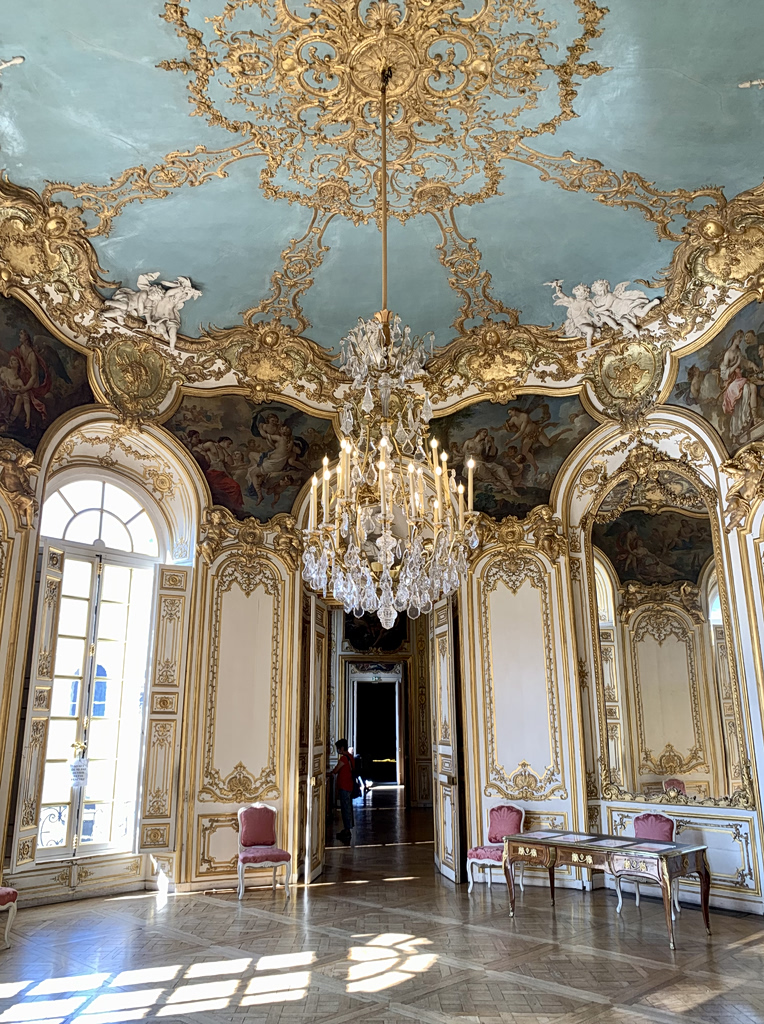
Salon ovale de la princesse in the Hôtel de Soubise.
Hôtel de Soubise
In the decades before the French Revolution, France’s nobility splurged on a number of palatial Parisian mansions, and one of the grandest is also now among the most accessible—the Hôtel de Soubise in the Marais district, now part of a complex housing France’s National Archives, whose free museum regularly shows off rarities, often in artisan-produced facsimiles, from its vast inventory and also mounts special exhibitions.
The most celebrated rooms of the mansion are on the second floor, where the so-called Princess’s Apartments—designed for an 18th-century princess who held a salon in the mansion—maintain many of their original elements, including elaborate Rococo stucco and fanciful murals. This spring and summer, the National Archives is mounting a special exhibition here about the Marquis de Lafayette, the French aristocrat who played a key role in the American Revolution.
On the ground floor, in the archives’ onetime reading room, the current rotation of objects on display include meticulous re-creations of a 1660s exchange between Louis XIV and French statesman Jean-Baptiste Colbert planning the construction of Château de Versailles; a passionate 1796 love letter sent by Napoleon to his first wife, the Empress Josephine; and the last note written by revolutionary leader Maximilien Robespierre in June 1794, not long before he fell victim to the guillotine.
An additional ground-floor display this spring features a rare public viewing of Napoleon’s actual last will and testament, a 58-page document written in his shaky hand during his exile on the remote island of St. Helena, weeks before his death in 1821.
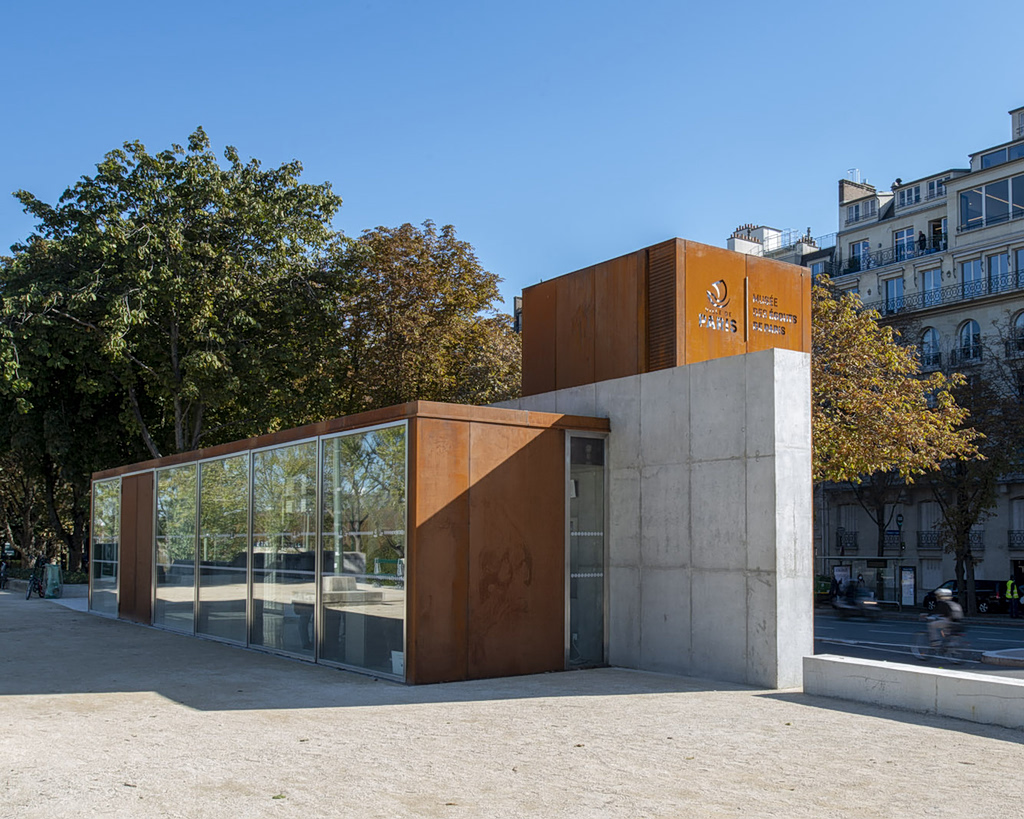
The exterior of the Paris Sewer Museum, freshly renovated and brand new.
Musée des Egouts de Paris
The story of the Paris sewers—considered the world’s most advanced when construction started in the 1850s, and a leading novelty tourist attraction in the Victorian era—is recalled in the Musée des Egouts de Paris (the Paris Museum of Sewers). The displays, rich in photographic documentation, present decades of ornate equipment, along with vintage sewer-worker uniforms and the stories of a cast of what could be called hygiene innovators.
Located in the 7th arrondissement, in a spot along the Seine, the museum allows visitors to view—and even stroll through—the historical sewers themselves. These long, winding, canal-like tunnels, big enough for boats, are nothing short of the subterranean answer to the city’s boulevards, with an unexpected, if somewhat infernal, majesty. Admission is €9.
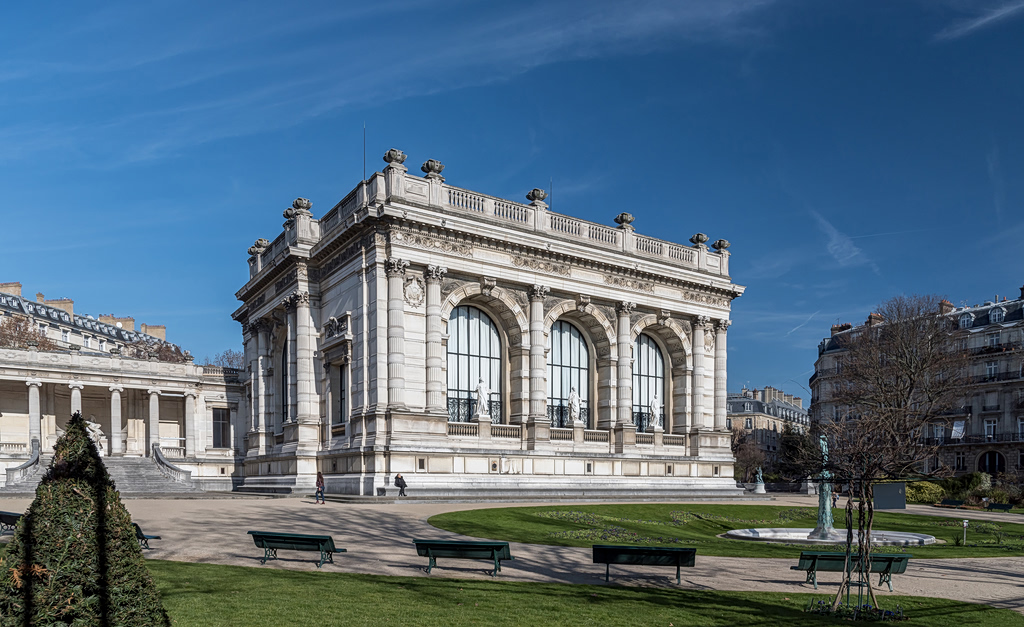
The Palais Galliera, also formally known as the Musée de la Mode de la Ville de Paris, and formerly known as Musée Galliera, a museum of fashion and fashion history located at 10, avenue Pierre 1er de Serbie, in the 16th arrondissement of Paris, France.
Palais Galliera
Louis XIV realized that the production and export of luxury goods could be big business, and Paris has been a point of pilgrimage for fashion lovers ever since. With centuries of French finery to draw on, the Palais Galliera, the city’s fashion museum, regularly mounts temporary exhibitions to showcase its fragile collection. Displays have included rarities like a 1792 linen shirt belonging to a son of Marie Antoinette and the Yves Saint-Laurent mid-1960s Mondrian dress that belonged to French singer Juliette Greco.
This spring and summer, “Fashion in the 18th Century: A Fantasized Legacy” features original pieces like Marie Antoinette’s corset, while tracking the period’s impact on later designers such as Christian Dior and Vivienne Westwood. General admission is €14.