 Μake us preferred on Google
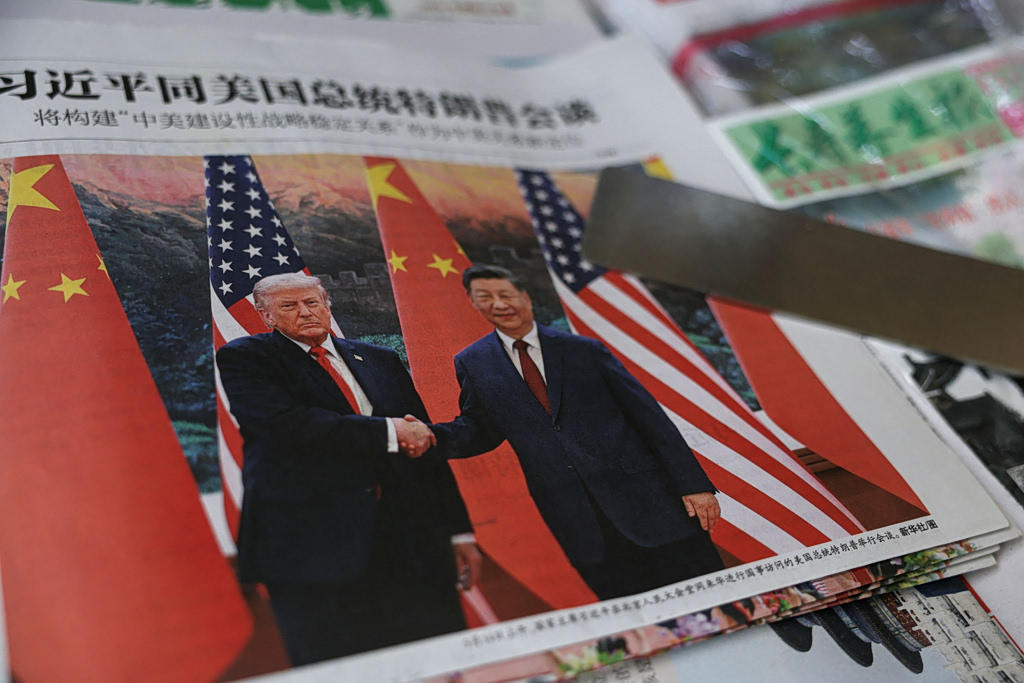
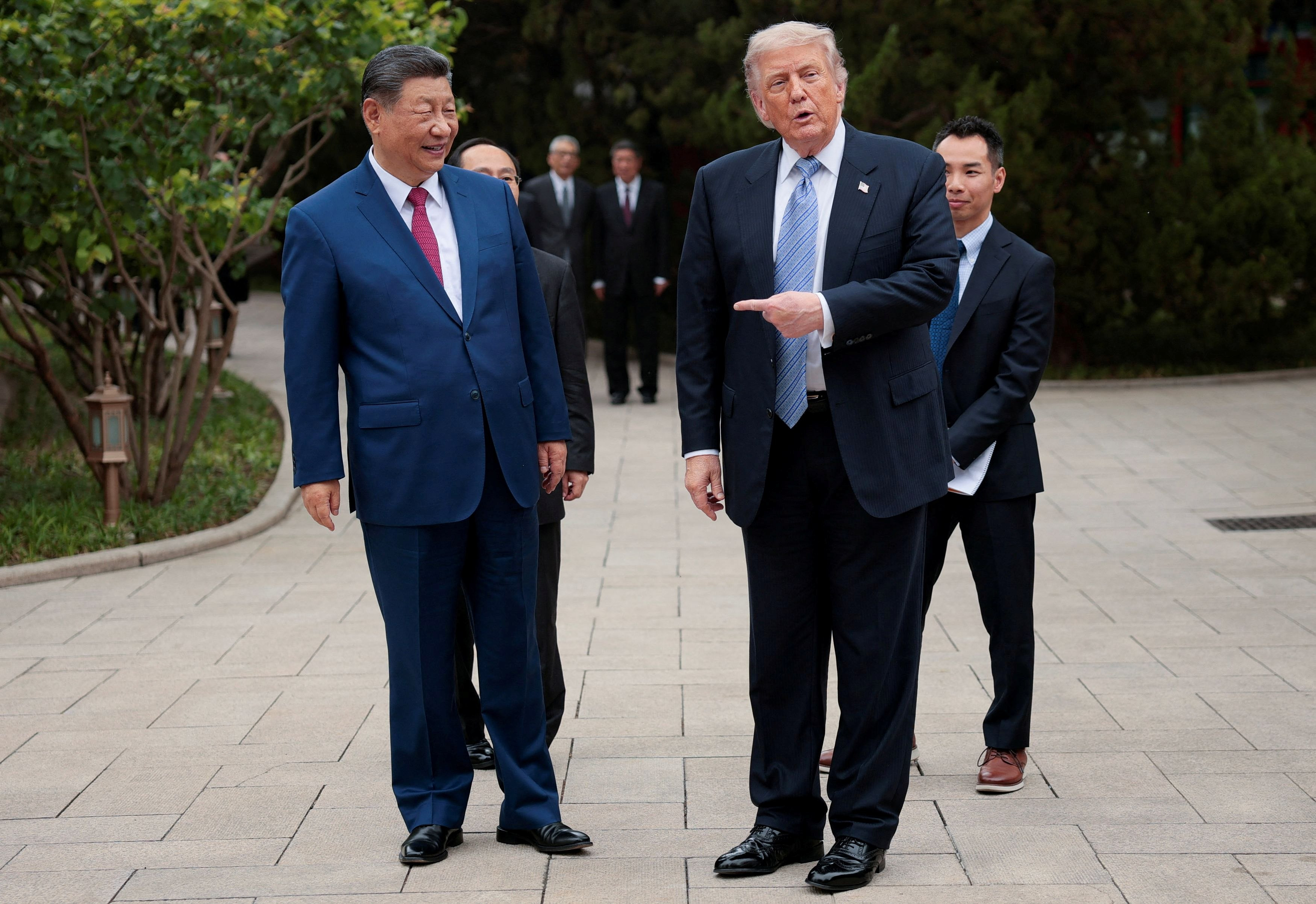
 BEIJING—President Trump met with Chinese leader Xi Jinping in Beijing this week, his second state visit to China and the first U.S. presidential visit to the country in nearly nine years.
Here were the top takeaways from the summit:
Trump said Xi asked if the U.S. would defend Taiwan
President Trump and Chinese leader Xi Jinping discussed the possibility of U.S. troops being sent to defend Taiwan in the event of a Chinese invasion, as well as arms sales to Taipei.
Speaking to reporters aboard Air Force One as he left Beijing, Trump said Xi asked directly if the U.S. would send its military to intervene in a conflict over Taiwan, a separately-governed island that Beijing claims as its own. “I said, ‘I don’t talk about those things,’” Trump said. “There’s only one person that knows that—you know who it is? Me. I’m the only person.”
Trump said he would soon make a decision on the latest arms package for Taiwan, which has been placed on hold. U.S. arms sales to Taiwan have been an issue that Xi has opposed. Trump said he would “make a determination over the next fairly short period.”
“I have to speak to the person that right now, as you know—you know who he is—that’s running Taiwan,” Trump said. It was unclear whom he was referring to.
Chinese Foreign Minister Wang Yi said that “during the meeting, we felt that the U.S. understands China’s position” on Taiwan, according to Chinese state media.
No joint deal announcements, but ‘strategic stability’
The summit ended without any joint announcements on specific deals, or any broader communiqué covering trade or other matters, but both sides celebrated the visit as a reset in relations. China said the two sides agreed on a new vision of “strategic stability,” while Trump described the U.S.’s relationship with China as “a very strong one.”
That could make commerce between the world’s two largest economies more predictable this year—in contrast with last year’s disruptive tit-for-tat tariff war.
Seeking alignment on Iran
Trump said the U.S. and China agreed that the war in Iran should end, that ship traffic through the Strait of Hormuz should be free and that Iran should never get a nuclear weapon. China didn’t directly address Iran in its statements about the summit, but has previously supported such positions.
On the second day of the summit, China’s Foreign Ministry released a statement saying that the U.S. should never have started the war in the first place.
Wang was later quoted by state media saying that Beijing advocates for a quick reopening of the Strait of Hormuz, while maintaining a cease-fire.
Promises for trade and investment
Trump touted “fantastic trade deals” struck at the summit, but so far, details have been scarce. The president said China agreed to buy 200 Boeing planes, as well as more American oil and agricultural products. China hasn’t yet announced any such purchases.
Xi told a delegation of American executives that China will open wider to foreign businesses . The White House said the two sides discussed expanding U.S. access to the Chinese market and Beijing’s investment in U.S. industries. Members of the Trump administration said in the run-up to the summit that the two sides would discuss the creation of a “board of trade” and a “board of investment.”
Talks to continue
Trump invited Xi to the White House on Sept. 24, and both leaders may also see one another at two international gatherings set to take place this year.
While touring the garden at Zhongnanhai, where China’s top officials live and work, Trump admired the roses and said they were the most beautiful he had ever seen. Xi said he would send Trump some rose seeds for the White House Rose Garden.