KYIV—Ukraine’s growing ability to strike deep inside Russia is thanks to long-range drones such as the Mammoth, which can fly 1,500 miles.
In a secret warehouse in Ukraine, Oleg Krot stood among 600 of the black, delta-winged machines, fully armed and waiting for collection by Ukraine’s military. By next year, their range will double to 3,000 miles, predicted Krot, chief executive and founder of the Mammoth’s manufacturer, Culver Aerospace.
Ukrainian defense-technology companies are rapidly improving the range, speed and payload of long-distance drones, bringing more of Russia within reach and allowing Ukraine to hit back at its invaders.
“Two years ago, Russia’s advantage was this huge country that we couldn’t reach into,” said Krot. Now, Ukraine’s weapons “are only at the beginning of the real capabilities they will have over the next few years,” he said.
The speed of Ukraine’s evolution from begging for old Western weapons to churning out cutting-edge military technology has few parallels in modern history. It has been the key to Ukraine’s survival in a war where Russia far outmatches it in manpower.
Ukrainian company Fire Point is aiming this fall to debut a ballistic missile—a category of weapon that Ukraine currently doesn’t make, but which Russia is using against its cities.
European countries including the U.K. and France are helping Kyiv build up its production of other long-range weapons.
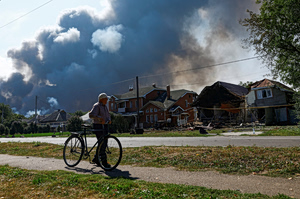
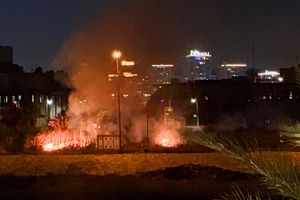
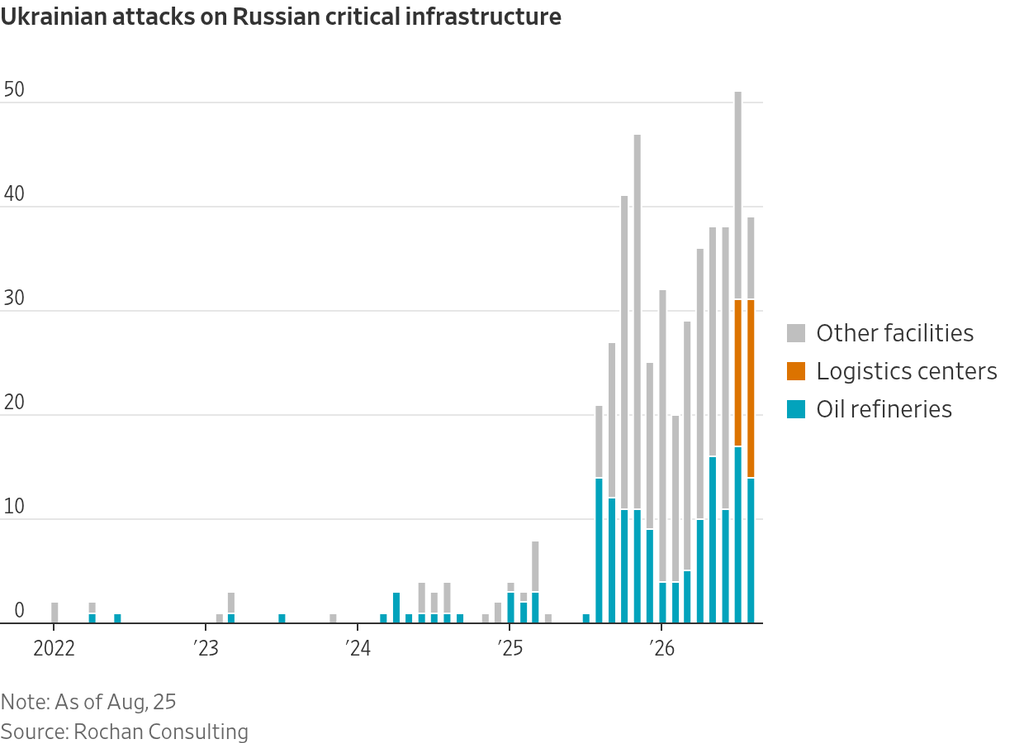
Nearly half of Russia’s oil-refining capacity is currently offline, largely thanks to Ukrainian drone attacks, according to IIR Energy, an energy-market data and intelligence firm. Ukraine has hit Russian ports, ships, armaments factories and logistics hubs for the country’s biggest e-commerce companies, homegrown versions of Amazon.com .
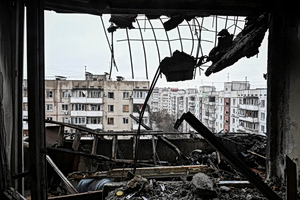
Using ballistic and cruise missiles as well as drones, Russia has been conducting a systematic air campaign against Ukraine’s cities, infrastructure and economy since fall 2022, when its initial invasion of its smaller neighbor stalled.
Ukraine began to develop its own deep-strike weapons after its Western backers mostly declined to provide it with long-range missiles for fear of escalating the conflict with Russia.
In September 2023, a drone made by Ukrainian state-owned defense company Ukroboronprom hit a Russian refinery around 220 miles from Ukrainian-held territory. The success surprised the manufacturer, encouraging it to invest in developing weapons with bigger range and payloads.
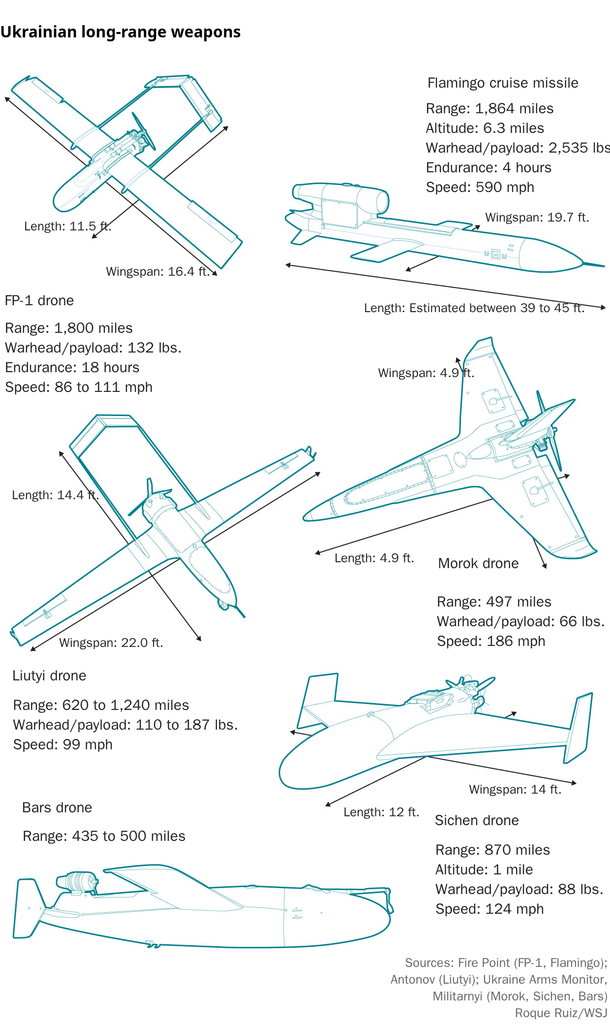
That early drone, the Liutyi, started with a range of around 620 miles and a payload of around 45 pounds. It can now reach over 1,240 miles and carry 75 pounds, an official from Ukroboronprom said.
In 2023, Ukrainian drones or missiles struck Russian critical infrastructure only four times, according to Rochan Consulting, a Poland-based military analysis firm. By 2025, that had risen to around 178, before increasing to around 285 hits in the year to Aug. 23.
Another long-range drone made by Culver Aerospace, called Sichen, meaning January, has been one of Ukraine’s most successful, hitting oil refineries outside of St. Petersburg and Moscow among other targets.
Krot’s drones used to navigate using only GPS, which is vulnerable to Russian jamming. Now their GPS signal is protected by a type of antenna that can block out electronic interference. If that doesn’t work, they have navigational backups, including signals from Starlink satellites and comparing the territory they fly over with preloaded maps.
At the end of this year, Krot said, his drones will start using turbojet engines and fly at close to the speed of sound.
The rapid advance of military technologies in the Ukraine war is comparable to that in the two world wars and the height of the Cold War arms race in the 1950s, said Nick Cunningham , a defense analyst at Agency Partners.
Technology alone rarely wins wars: Making it at scale matters, too. In World War II, the U.S.’s massive industrial base was crucial for victory, as was U.S.-U.K. bombing of Nazi Germany’s industries.
Russia’s far larger economy is outproducing Ukraine. Moscow can manufacture around 600 ballistic missiles annually and rising, Ukrainian President Volodymyr Zelensky said recently. That easily outstrips Ukraine’s supply of Patriot missile interceptors.
Ukraine’s growing drone production is now causing problems for Russia and stretching its air defenses.
In January 2024, Russia’s defense ministry said it had shot down 110 drones over Russia and occupied Crimea, or an average of less than four a day. In July this year, that had increased to 13,338 drones, or 430 a day.
Fire Point, Ukraine’s biggest maker of long-range drones, is aiming to produce 300 of its FP-1 model a day, around eight times more than last year.
Krot’s Culver, which made around 500 drones in 2022, is aiming for 14,000 this year.
At a Culver factory visited recently by The Wall Street Journal, workers were building drones from parts that could mostly be found at an average hardware store. Wings carved out of wood using laser-cutting machines were then filled with insulation foam. Propellers were being chiseled from oak, which absorbs radar.
Culver makes its own engines and 90% of the components that go into them.
The company spreads its drone production across 21 different factories, each in a secret location, to protect against Russian attacks. It is a lesson learned the hard way: Last year, when Culver was operating only two factories, one was destroyed by Russian ballistic missiles, curtailing production by 85%.
Long-range drones have their limits, in particular when it comes to punching power. The longer a drone flies, the more fuel it must carry, limiting the weight of its warhead.
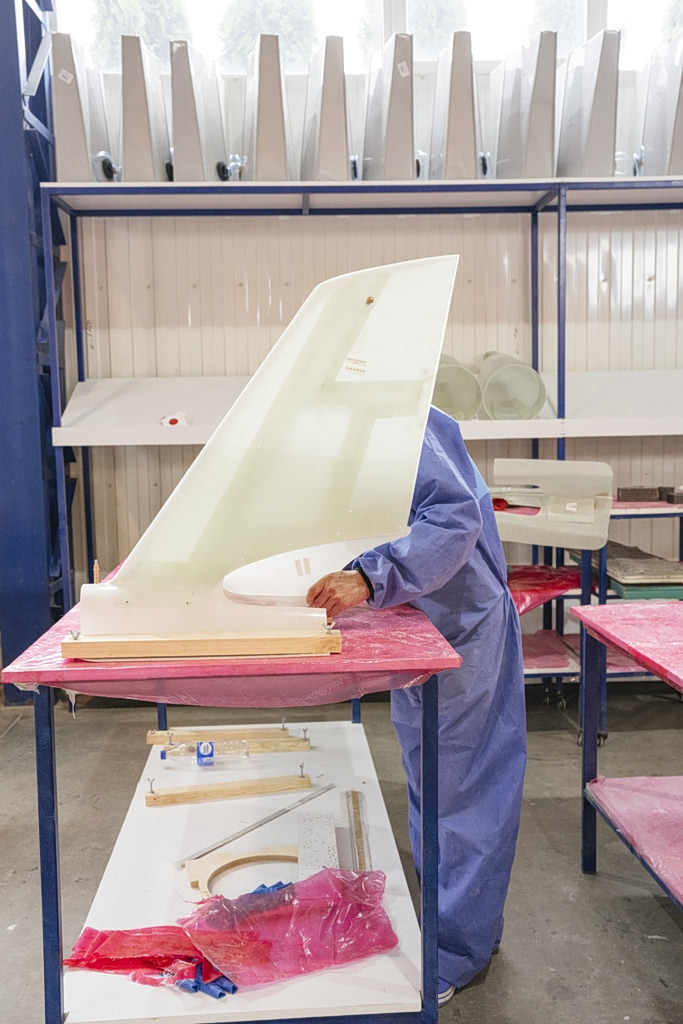
A factory worker, pictured in 2024, assembles parts of a long-range drone in western Ukraine. Emanuele Satolli for The Wall Street Journal
“If you need to destroy a bridge or any fortified facility, you can’t use a drone,” said Mikhail Kokorich, chief executive of Destinus, a Netherlands-based defense company whose drone and missiles are used by Ukraine.
But cruise missiles can be five to six times more expensive than a drone, and often have a shorter range, Kokorich said.
Ukraine has used its two domestically produced cruise missiles sparingly, given their expense. The latest iteration of one, the Neptune, can travel over 620 miles, with a payload of around 570 pounds. Around seven out of 10 Neptunes reach their target, said Oleg Korostelov, the director general of its creator, LUCH Design Bureau.
Korostelov said Ukraine’s armed forces deserve much of the credit for recent successes. They have evolved effective tactics, working out where Russian air defenses will be and how to get past them, he said.
Write to Alistair MacDonald at Alistair.Macdonald@wsj.com