
 Μake us preferred on Google
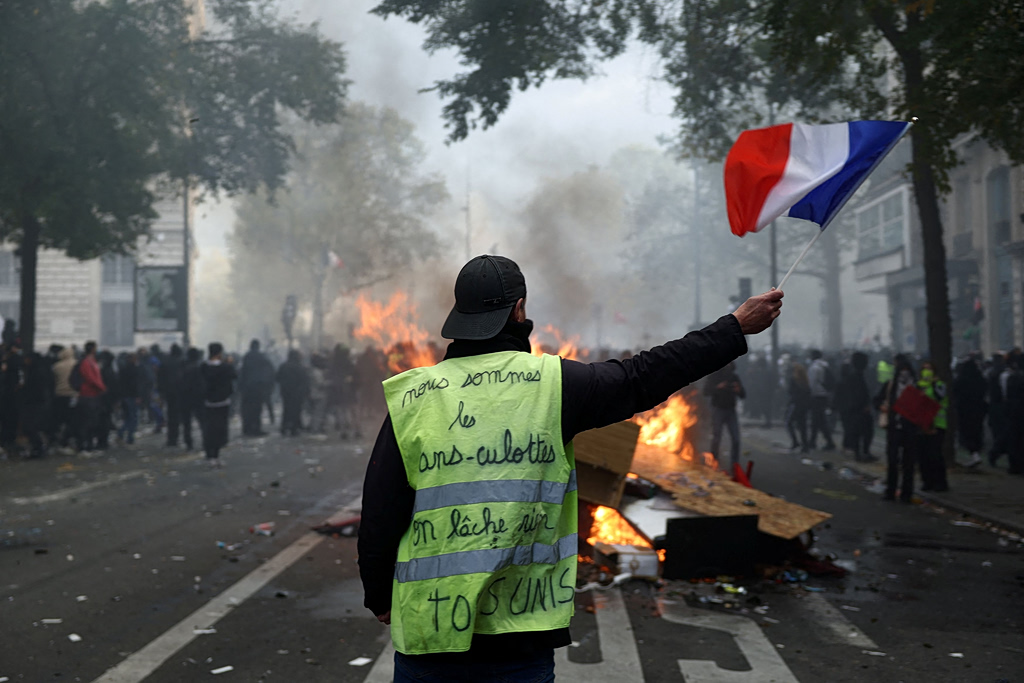
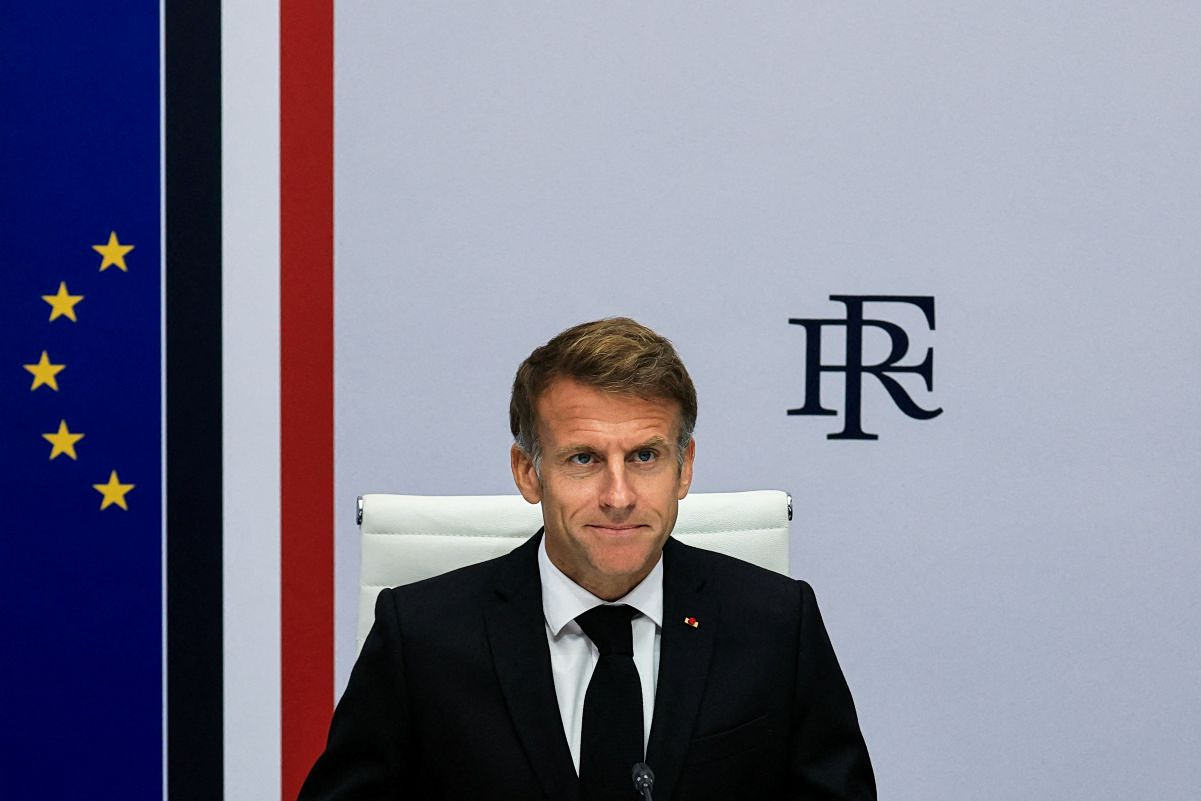
 French President Emmanuel Macron addressed the nation on Sunday evening, October 18, following a wave of violent clashes that marred Saturday’s mass demonstrations across France.
From the outset, Macron made clear that the state would take a hard line on lawlessness, stressing zero tolerance for those responsible for destruction. He warned that the authorities would be relentless in dealing with rioters and anyone resorting to violence, adding that a willingness to listen and engage in dialogue should not be mistaken for weakness or impunity.
To that end, he announced the immediate mobilization of regional authorities to protect cities and infrastructure. Prefects, working in coordination with mayors, will take all necessary measures to safeguard public buildings and businesses, including banning specific gatherings where deemed necessary.
Macron also issued a firm appeal to the country’s political and social actors. He called on all political parties, professional organizations, and trade unions to condemn the violence unequivocally and urge calm, insisting that everyone must shoulder their share of responsibility and that the country needed order and stability rather than escalation.
Despite his tough stance on rioters, the French president emphasized that the government was not ignoring the root causes of public anger, describing the state’s responsibility as twofold: to hear that anger and address its causes, while firmly upholding the republican order. He cautioned against conflating legitimate demands with violence, and against allowing violence to drown out those demands.
With this in mind, a broad round of consultations is set to begin this week. Students, teachers, representatives of employers’ and workers’ organizations, local authorities, and members of parliament will sit down with the government to draw up concrete proposals, with the prime minister himself convening the participants in the coming days.
Macron made particular reference to high school and university students, acknowledging the uncertainty they face. He noted that for several weeks young people had been voicing deep concern about their future, their living and learning conditions, and their ability to chart a path and find their place in society, conveying, in a sense, a feeling that no desirable future lies ahead. He said he understood their concerns.
In closing, the French president reiterated that the younger generation has consistently been a priority throughout his political career, pledging that young people’s voices would be heard without prejudice.