Trump said he would impose 10% tariffs on imports from several European countries starting next month in an effort to pressure Denmark to sell Greenland to the U.S.
President Trump, in a social-media post on Saturday , said the 10% tariffs would go into effect on Feb. 1 and would apply to all goods sent to the U.S. from Denmark, Norway, Sweden, France, Germany, the United Kingdom, the Netherlands and Finland. The tariffs will increase to 25% on June 1 and remain in place until a deal is reached for what he called the “complete and total purchase” of Greenland, Trump said.
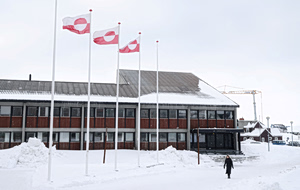
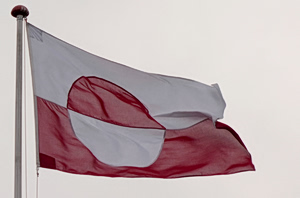
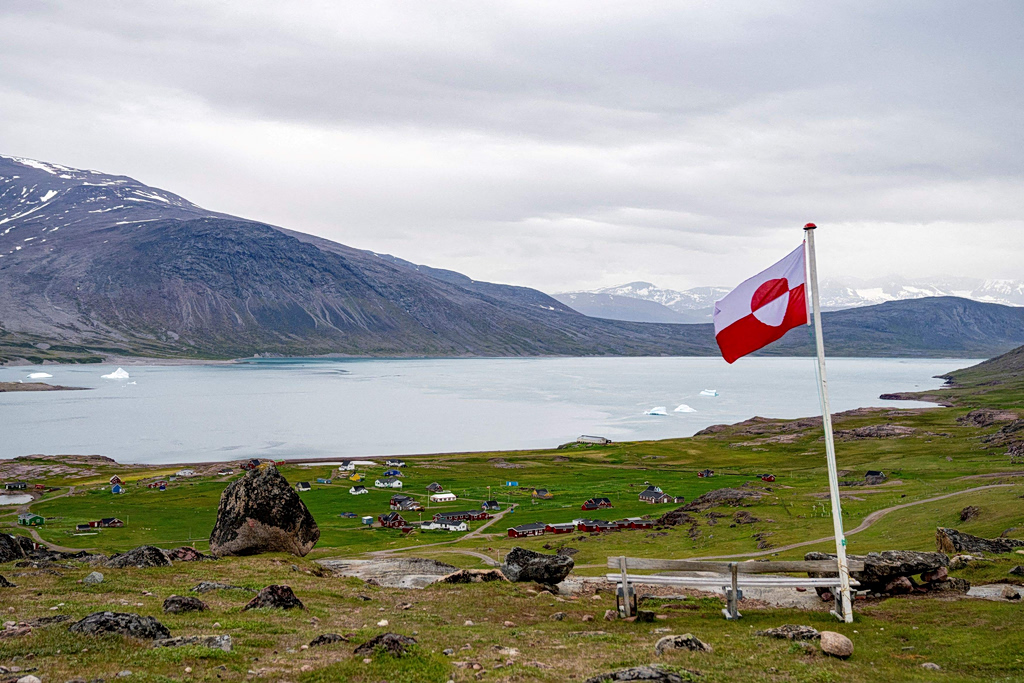
Trump’s announcement comes after European nations sent military and diplomatic assets to Greenland to deter the U.S. from acquiring the territory.
“These Countries, who are playing this very dangerous game, have put a level of risk in play that is not tenable or sustainable,” Trump wrote on Truth Social. “Therefore, it is imperative that, in order to protect Global Peace and Security, strong measures be taken so that this potentially perilous situation end quickly, and without question.”
The president has said it is necessary for the U.S. to take control of Greenland to counter China and Russia. In his Truth Social post, he said the U.S. is “immediately open to negotiation” with Denmark and the other European countries, casting the tariff threat as leverage to secure the Arctic territory.
Greenland Prime Minister Jens-Frederik Nielsen said recently that his constituents don’t want the island to be owned or controlled by the U.S.
European leaders expressed continued solidarity with Greenland on Saturday, and some pushed back strongly against Trump’s tariff threat. “We will not let ourselves be blackmailed,” Swedish Prime Minister Ulf Kristersson wrote in a social-media post.
French President Emmanuel Macron said, “No intimidation or threat will influence us—neither in Ukraine, nor in Greenland, nor anywhere else in the world when we are confronted with such situations.”
And European Council President António Costa, whose group represents EU leaders, said at a press conference, “The European Union will always be very firm in defending international law, wherever it may be, and of course starting within the territory of the European Union’s member states.”
Trump didn’t specify if the tariffs would be added on top of existing levies, which currently stand at 15% for most goods from European Union countries and 10% for most U.K. goods. Trump’s team agreed to those rates as part of multibillion-dollar trade and investment deals struck in the past year, and additional tariffs could unravel those deals. The White House didn’t respond to requests for comment.
Trump’s trade deal with the EU includes a plan for the bloc to lower tariffs on a range of U.S. goods. The pact requires approval from the European Parliament, where some lawmakers have raised concerns about Trump’s threats against Greenland and suggested they could delay signing off on the deal.
Lawmakers were already skeptical about approving the deal, said Bernd Lange, who leads the European Parliament’s international trade committee. After Trump’s announcement on Saturday, he said, “These concerns are even bigger.”
It isn’t clear how the U.S. could apply tariffs on some EU countries, while exempting others. The economic bloc allows goods to move freely across the internal borders of its 27 members, which share a common trade policy. Companies might respond to uneven tariffs within the bloc by exporting their goods from EU countries with lower tariffs.
It also remains unclear if Trump will follow through on the tariff threat, particularly if it risks the investments and regulatory changes that EU nations and the U.K. have pledged in their trade deals. Throughout the first year of his presidency, Trump often backed down from his most aggressive tariff threats, sometimes without concessions from other governments. Just this month, Trump said he would levy 25% tariffs on nations doing business with Iran, but so far hasn’t taken any action to execute on the threat.
He also previously threatened European nations with 200% tariffs on Champagne and other alcoholic drinks that never materialized.
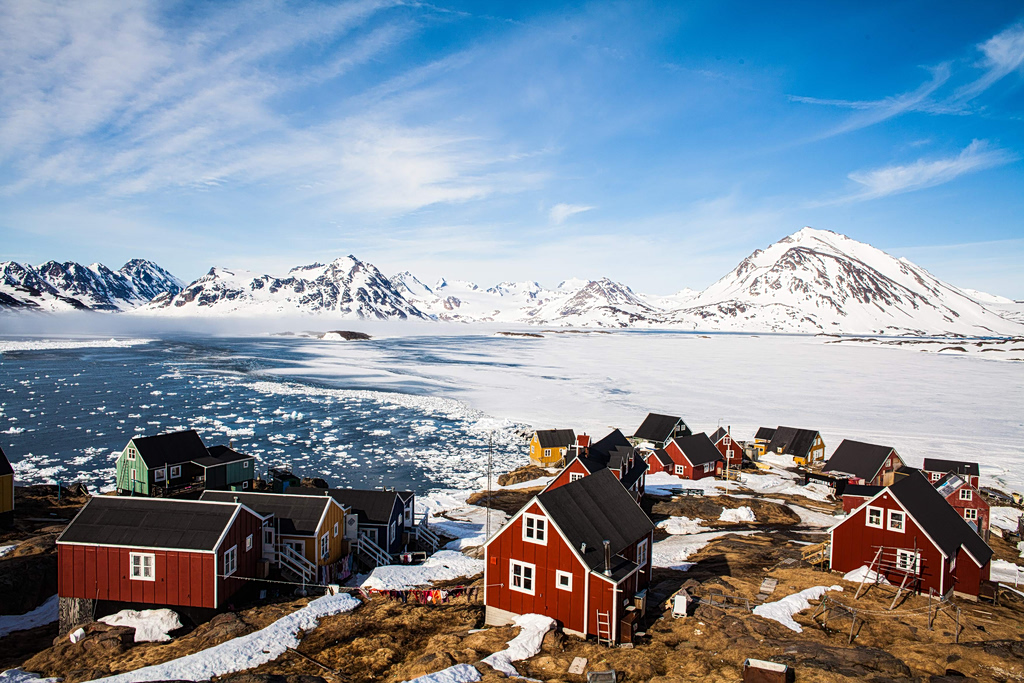
Trump’s social-media post comes after a bipartisan group of congressional lawmakers met with leaders from Denmark and Greenland this week to reassure them of the island’s security, even as Trump has threatened to take it over. On Wednesday, Danish Foreign Minister Lars Løkke Rasmussen visited the White House for discussions with the Trump administration about Greenland, although top Danish diplomats said after the meetings they weren’t able to persuade the president to abandon his ambitions to annex it.
Some lawmakers, including from the president’s own party, have expressed frustration with his aggression toward Greenland. “The fact that a small handful of ‘advisors’ are actively pushing for coercive action to seize territory of an ally is beyond stupid. It hurts the legacy of President Trump and undercuts all the work he has done to strengthen the NATO alliance over the years,” Sen. Thom Tillis (R., N.C.), wrote in a social-media post on Saturday.
Trump said on Friday he was considering tariffs on countries that oppose his plans. “I may put a tariff on countries if they don’t go along with Greenland, because we need Greenland, because we need Greenland for national security,” Trump said at a healthcare event at the White House.
Trump didn’t say which legal authority he would use to impose the tariffs, but most of his previous tariffs have invoked presidential emergency authority under the International Emergency Economic Powers Act, or Ieepa. The Supreme Court is currently reviewing whether Trump exceeded his authority with his aggressive use of the law, which had never before been deployed for tariffs. The court could rule as soon as next week.