Disgruntled Gen-Z protesters, who have toppled governments and rattled rulers across the world this year, have claimed their first European victory.
Bulgaria’s government collapsed Thursday following a wave of youth-driven street protests over entrenched corruption and self-dealing elites widely seen as disconnected from the struggles of ordinary citizens.
Bulgaria has become the latest flashpoint in a year marked by Gen-Z unrest . Youth protests have felled governments in Nepal and Madagascar in recent months. Demonstrations over perceived privileges enjoyed by political elites have sparked mass rallies in Indonesia and the Philippines. In Tanzania , youth-led antigovernment protests were met with lethal government force.
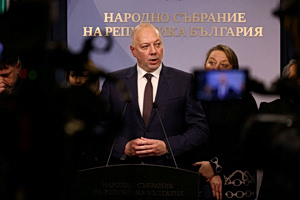
The resignation of Bulgaria’s coalition government—announced Thursday by Prime Minister Rosen Zhelyazkov —comes just weeks before the Balkan country is due to join the euro area, the European Union’s currency union. While Bulgaria’s government collapse won’t stop its planned Jan. 1 switch to the euro, it prolongs a political crisis that has triggered seven parliamentary elections in just four years. Zhelyazkov took power in January.
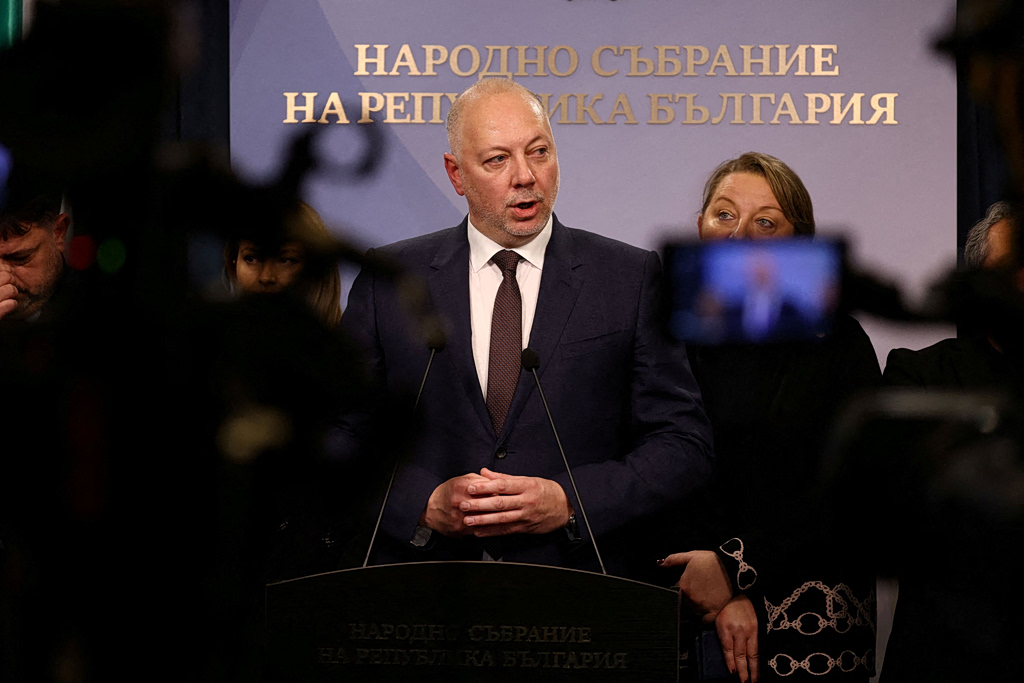
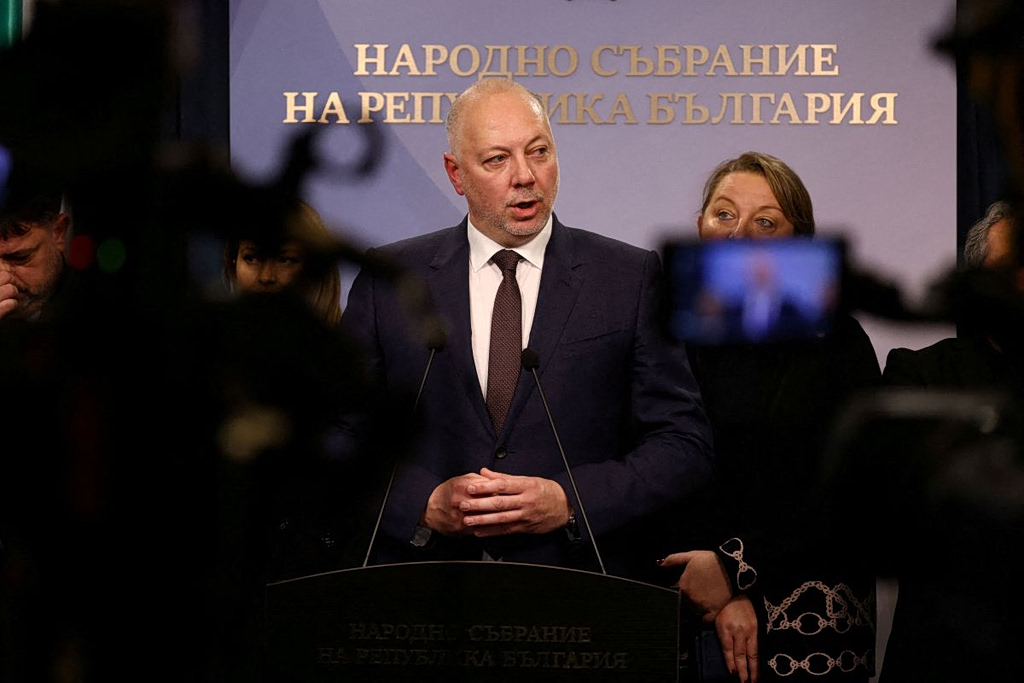
Bulgarian Prime Minister Rosen Zhelyazkov speaks to the media before announcing the resignation of his government, in Sofia, Bulgaria, December 11, 2025. REUTERS/Stoyan Nenov TPX IMAGES OF THE DAY
“Vox populi, vox dei,” Zhelyazkov said Thursday in Parliament, quoting the Latin for “the voice of the people [is] the voice of god.”
“We must rise to meet their demands. And their demand is the resignation of the government,” he said.
The end of Zhelyazkov’s pro—EU cabinet is likely to trigger snap elections in the coming months, possibly reshaping the country’s geopolitical outlook.
One potential beneficiary is President Rumen Radev , the country’s elected head of state and its most popular politician, who is expected to form his own party and could run in the next parliamentary vote. A former air force pilot, Radev has often been critical of Western support for Ukraine in its war with Russia, including by calling Kyiv’s prospects “doomed” earlier this year.
The immediate trigger for the recent protests was the government’s 2026 budget plan, which included a bid to hike spending, a step critics contend would further cement corrupt politicians’ control of the country’s institutions.
Corruption in the Balkan nation of some 6.5 million has long been pervasive, even after having joined the EU in 2007. Consistently ranked as one of the bloc’s most corrupt member states by Transparency International, Bulgaria has failed to secure high-level convictions for graft in recent years, fueling public anger and drawing repeated criticism from Brussels over its record on rule-of-law.
Now the public outrage has boiled over.
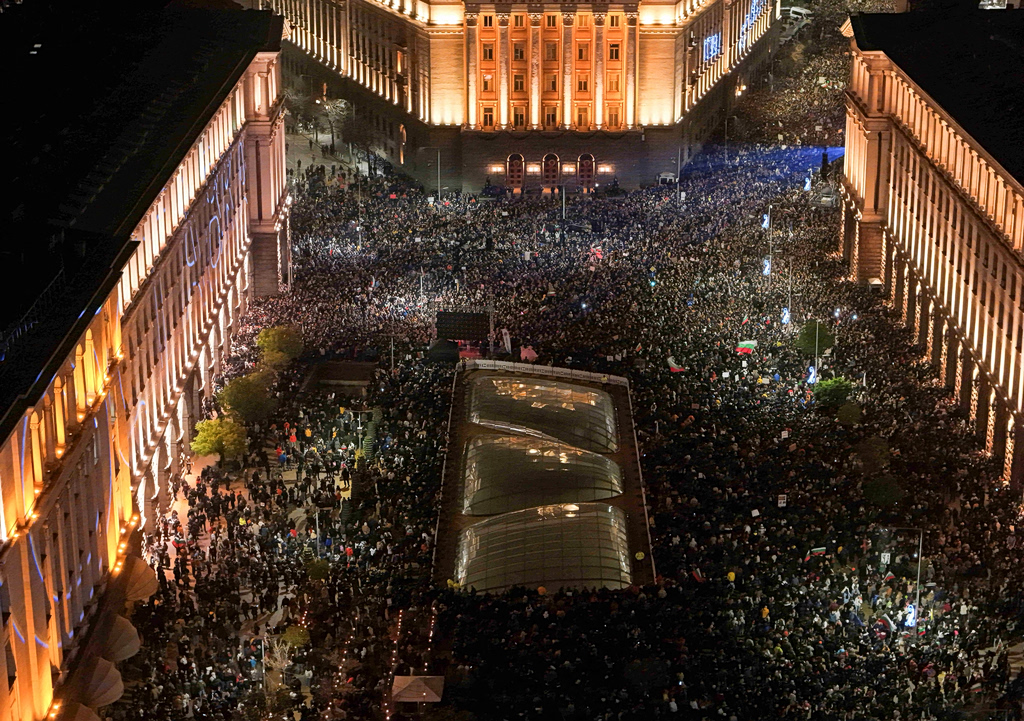
A drone view shows protesters demonstrating outside the parliament during an anti-government rally, in Sofia, Bulgaria, December 10, 2025. REUTERS/Spasiyana Sergieva
Tens of thousands protested on Wednesday evening in Sofia and other cities, the latest in a string of demonstrations in the capital and elsewhere in recent weeks.
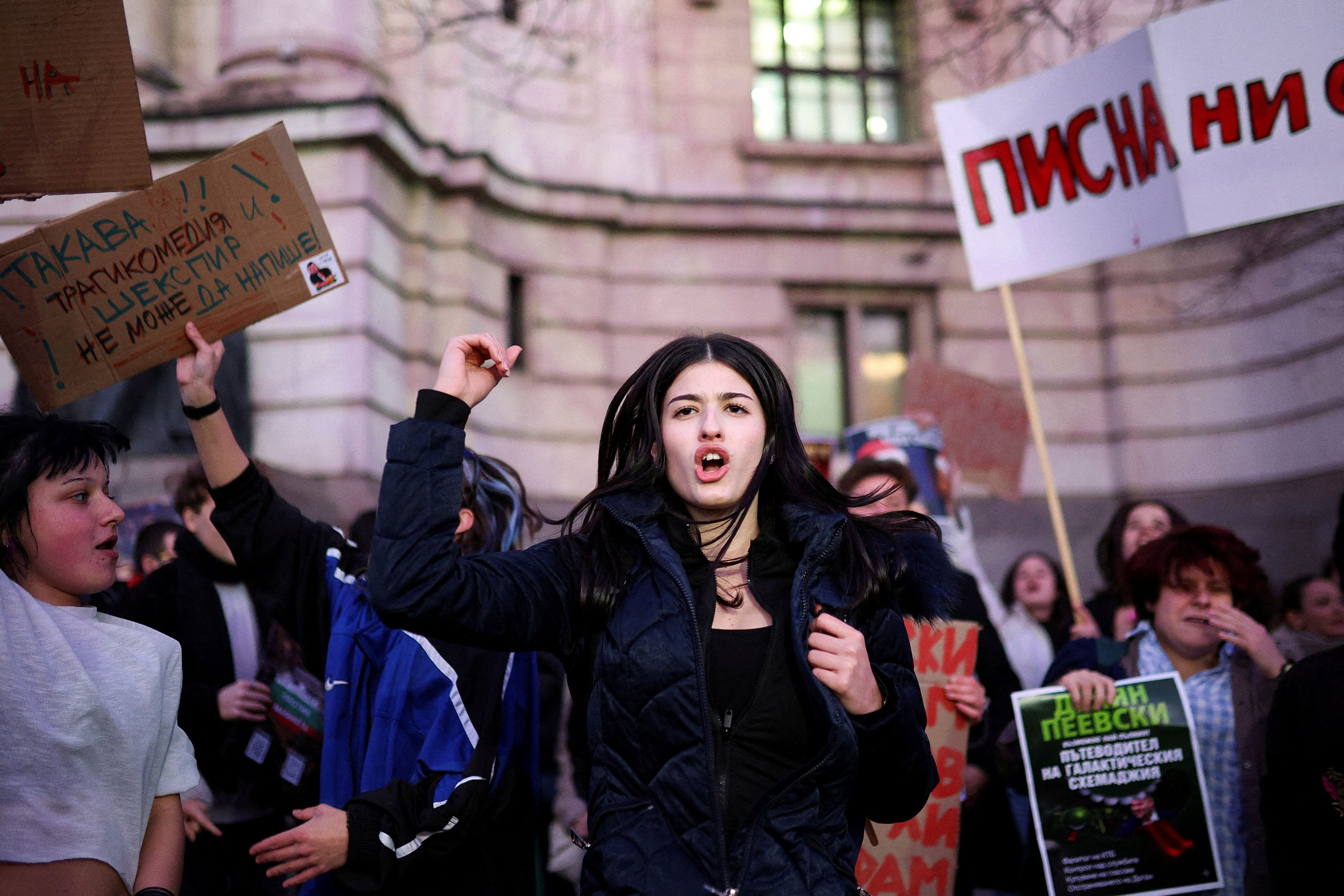
Mobilized on TikTok and other social-media platforms, Bulgarians marched with signs reading “Gen Z is coming” and “Gen Z vs. Corruption.” At a demonstration outside the Parliament building in the Bulgarian capital, a giant screen looped videos and memes ridiculing politicians.
“The protests showed that there is enough civil energy in young generations to step against the perceived hubris of an entrenched political and economic elite that has taken advantage of state capture practices to remain in power,” Martin Vladimirov , director of the geoeconomics program at the Center for the Study of Democracy, a Sofia-based think tank.
For many, this was their first major protest. Bulgaria’s Gen Z has grown up without experience of the communist era that ended in 1989 or the devastating economic crisis that followed its collapse. Their grievances span everything from the impunity of political elites to the state of the healthcare system, to a lack of well-paying jobs.
Outrage has also been palpable online, where debates over democracy, corruption and press freedom have been trending. Many influencers and actors joined the rallies. New memes were born including placards that read, “Take your girlfriend on a date at the protest.”
Angel Ignatov , a project manager working in the IT industry in Sofia, said that after studying in the U.K. he decided to move back and help improve his homeland. But now, deepening corruption and a litany of government missteps have pushed him to join the rallies.
“There is a whole generation like me,” Ignatov said. “We just don’t want this for our country.”
Write to Georgi Kantchev at georgi.kantchev@wsj.com