 Μake us preferred on Google
 In a remote mountain village in northern Greece, a female brown bear and her cub spent weeks wandering around a village. Their presence was tolerated—until it wasn’t. The mother was shot dead in Foufas, a village in Western Macedonia. In unrelated incidents, two more bears were killed in the same broader region over the course of a month, with one of them being just a six-month-old cub.
Talking to TO BHMA International Edition, the director of communications at leading Greek wildlife conservation non-profit ARCTUROS, Panos Stefanou, says, “We can’t say there’s been an increase in killings compared to last year, but we are alarmed because they were all the result of bear interactions with humans. All three were shot. One was a six-month cub, so we can’t say the bear was a threat. This is illegal- bears are protected.”
Δείτε αυτή τη δημοσίευση στο Instagram.
The recent string of killings has shaken conservationists and brought renewed attention to a problem that has been simmering for over a decade: the increasing frequency of human-bear interactions.
An Old Species in a New World
Brown bears (Ursus Arctos), once on the brink of extinction in Greece, have staged a quiet comeback. Thanks to conservation efforts, their population has grown to between 500-950, with habitat spread across approximately 50,000 square kilometers, according to ARCTUROS’ recent scientific estimates.
But as the bear population rebounds, it collides with other trends- development, habitat fragmentation and climate change- which are driving an increase in human-bear interactions.
“This is not a Greek problem. Wild animals everywhere are increasingly getting used to human presence,” said Stefanou. “This is the new reality.”
Additionally, and interestingly enough, “some female bears move closer to villages while rearing their cubs, to seek protection from aggressive males that may try to kill them.”
Other bears follow their noses toward trash, compost, livestock feed, or easy food in unprotected orchards, looking for an easy meal at a time that climate-induced shifts in environmental conditions are making it harder for them to source food.
Gaps in Wildlife Management
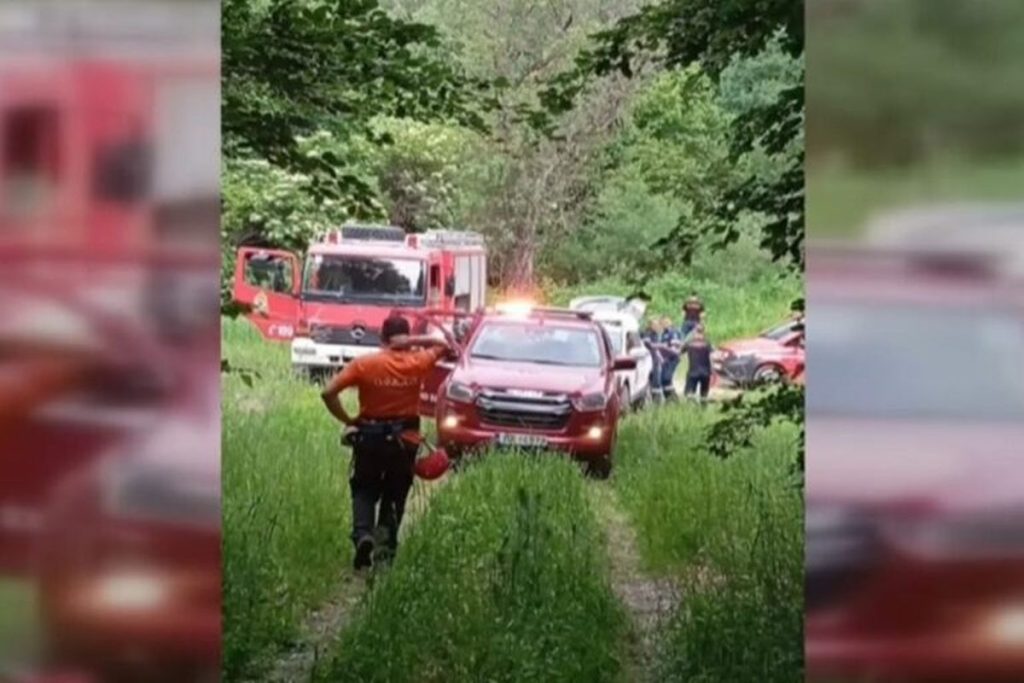
Image of Greek rescue forces on Mount Frakto, in the northeast Greece region of Drama, where a bear encounter was connected to the death of a hiker in early June.
Following the recent bear killings, ARCTUROS issued a 10-point intervention titled “Living Together?”, authored by the organization’s scientific director, Dr. Alexandros Karamanlidis.
The document aims to clarify the current situation and guide more effective management of bear presence in inhabited areas.
According to the guidance, bear visits to towns and villages, which were once rare, have now become “a near-mass phenomenon” affecting “bears of all ages… even within cities”.
These interactions are driven by both biological and human-caused factors, including “the recovery of the species, climate change, changes in habitat and land use, and the innate behavior of the animal”.
But the heart of the problem, according to Stefanou, isn’t the increased presence of bears, it is “the lack of state capacity, or interest in properly managing the problem, which is impacting both people and the bears.
“When there is a burglary or crime we call the police. When there is an interaction with bears people call the forestry service. But Greece’s forestry service doesn’t have the proper resources, knowledge or equipment to handle the bears.
They cannot do the job. So they call us at ARCTUROS or another NGO active in the field like Callisto.” Yet ARCTUROS is neither state-funded nor formally mandated to resolve such conflicts, nor are they reimbursed for their efforts. That being said, ARCTUROS says they try to assist wherever possible.
Local Tensions, Dangerous Misconceptions, and the Prospects of Coexistence

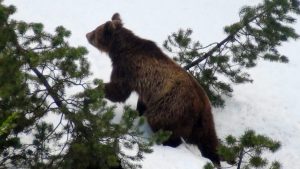
Image of a brown bear, basking in the sun.
In places like Western Macedonia, where bear visits are becoming a seasonal norm, tensions are rising, locals are concerned, and in the absence of state interventions, are increasingly taking measures into their own hands. Some locals demand bear sterilization or relocation. Others claim the animals are becoming too many.
But ARCTUROS insists the data doesn’t support those claims. “We have an increase in bears but not high enough to cause concern,” said Stefanou. “We don’t have a bear overpopulation problem.” What is needed is proper education and effective wildlife management systems.
For over 30 years, ARCTUROS says it has worked to ensure that bears can survive in Greece without conflict. The organization has donated more than 1,000 livestock guardian dogs to farmers and has intervened in over 100 bear-related incidents. But even they seem at their breaking point in their most recent press release on the bear killings and what needs to be done.
In his statement, answering whether or not humans and bears can live together, Karamanlidis says, “The answer is both YES and NO. Yes, in the sense that the brown bear population is recovering and its habitat use is changing. The Greek countryside is not what it was 20 years ago, and neither are the bears. But from habitat shift to a bear inside someone’s yard is a long and potentially dangerous road—on that point, the answer must be NO.”
He adds, “International experience has shown that both responses can coexist. For Greece, what’s now urgently needed is the political will from central authorities to act decisively. There is no time to waste: illegal bear killings are already rising. Immediate, science-based action is imperative to prevent the situation from escalating further and becoming unmanageable.”