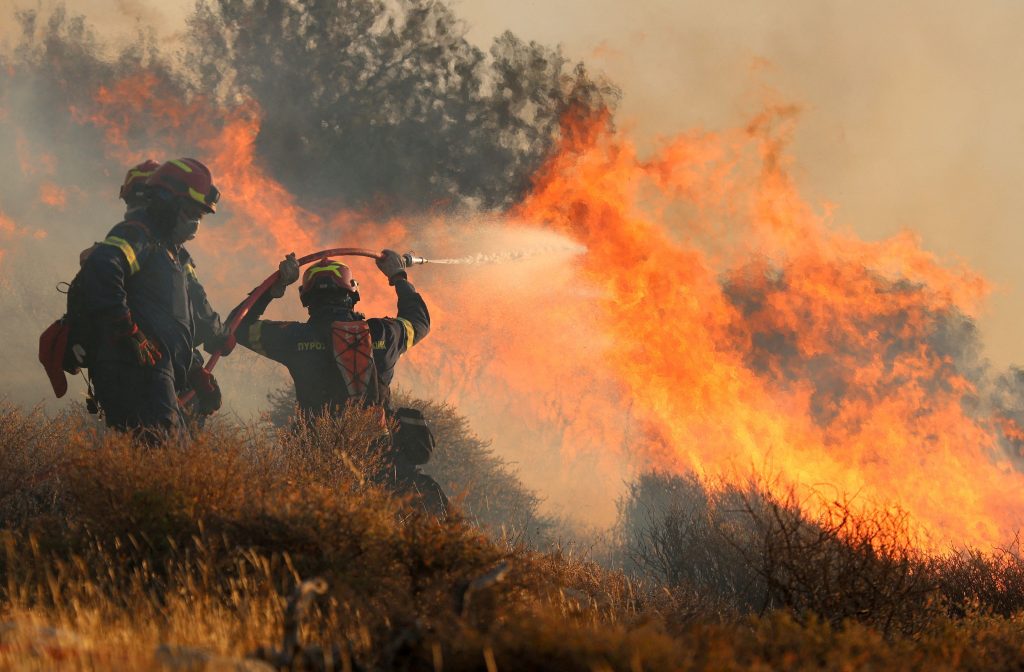
Australia, Argentina, and South Africa are just some of the countries in the Southern Hemisphere that have been dealing with record temperatures this summer. Wildfires have even taken hold in centuries-old forests. Scientists warn it will only get worse.
In January, a high pressure system created a heat dome over Australia which has led temperatures to skyrocket to up to 50 degrees Celsius.
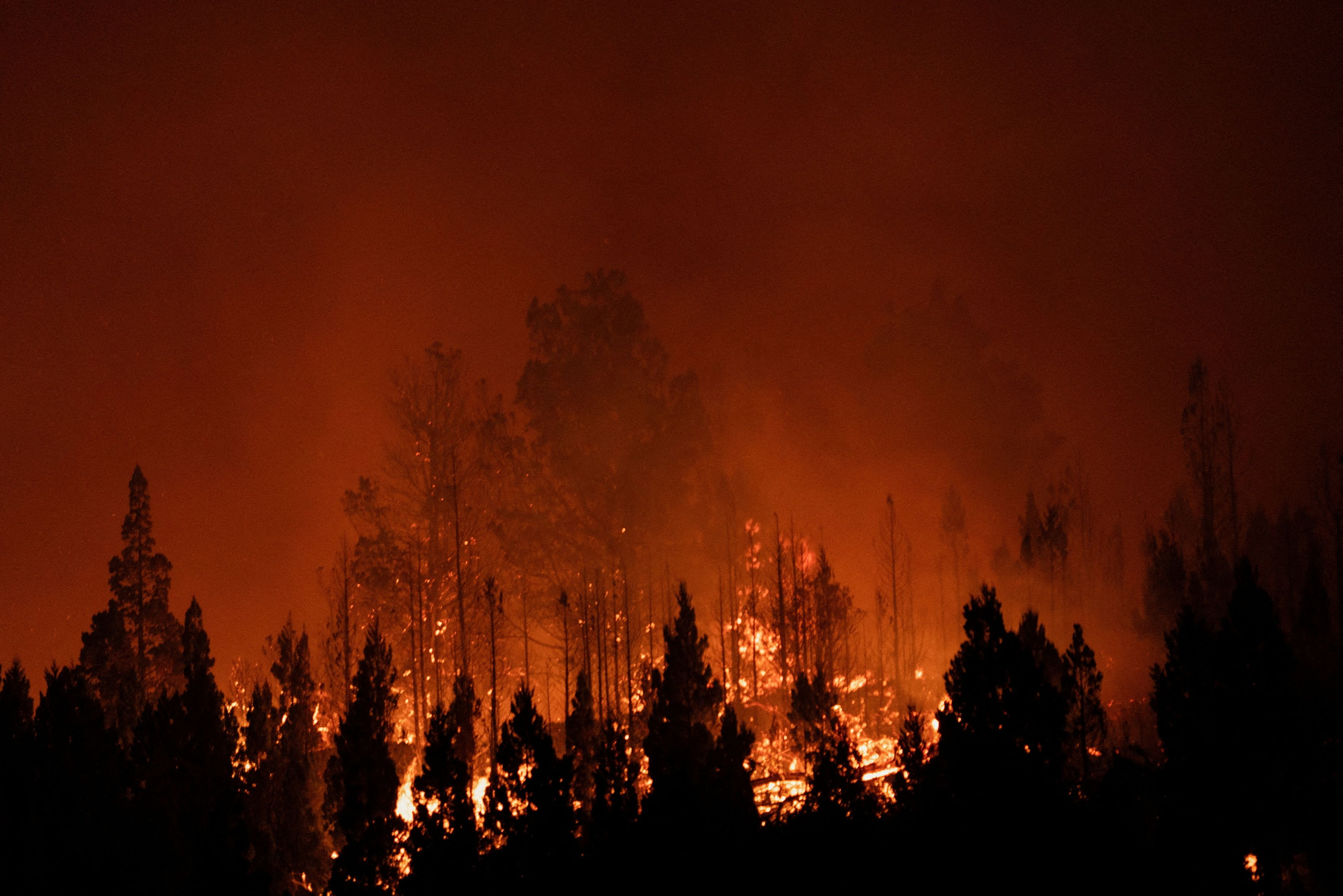
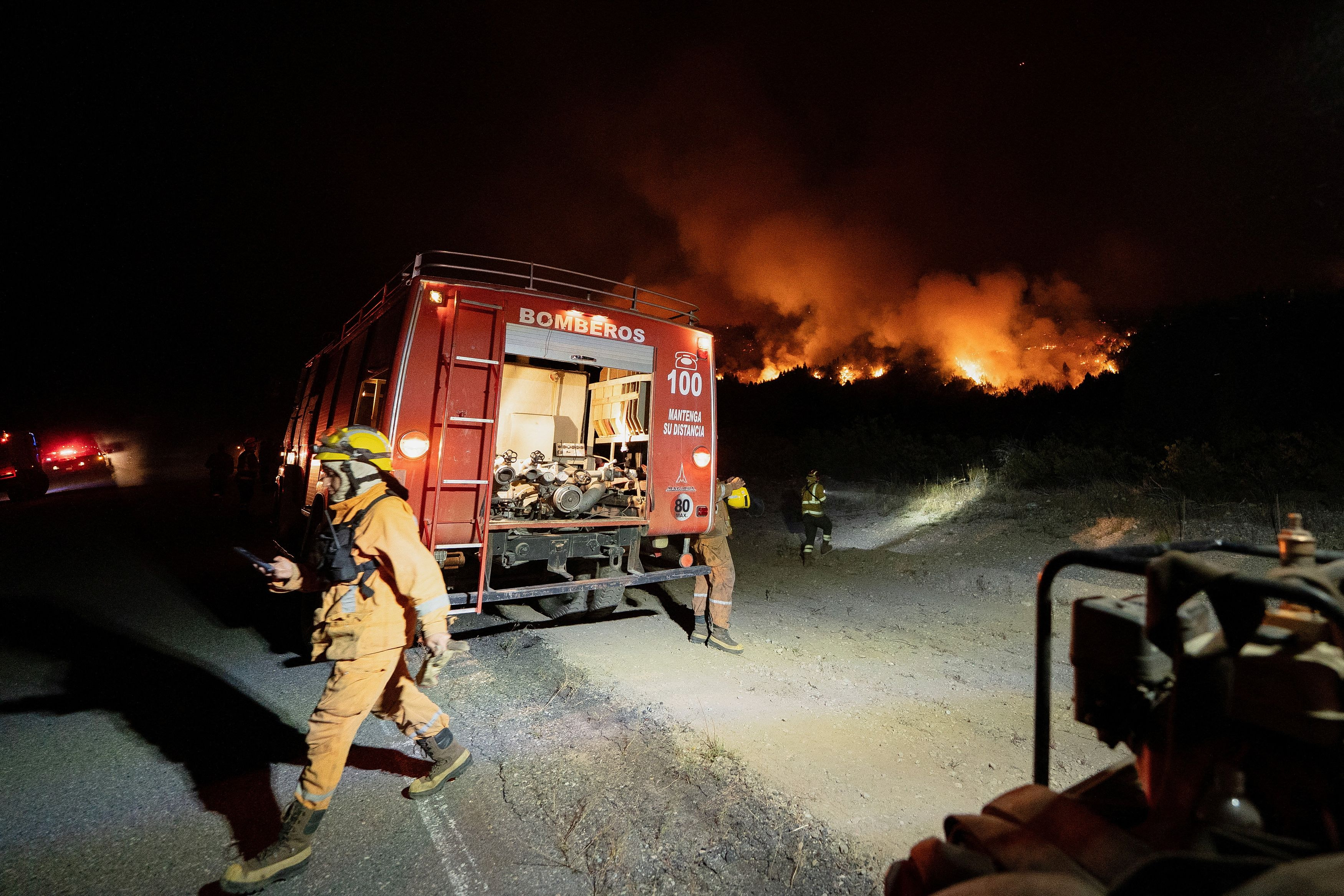
South America has also been affected by heatwaves – with wildfires taking hold in Argentinian Patagonia, which has led to 21 deaths in coastal towns.
South African is also facing some of the worst wildfires it has seen in years.
This extreme weather has occurred even despite the El Niña Effect which naturally lowers temperatures on average.
“This means the effect of human-caused climate change is overwhelming natural variability,” said climate scientist Theodore Keeping of Imperial College London, speaking to Reuters.
The World Meteorological Organization confirmed that January 2026 was the hottest month recorded in the last three years.
The average global temperature in 2027 remains at around 1.46 degrees Celsius compared to pre-industrial levels and it is possible that it will become one of the hottest four years on record, according to Adam Scaife, the head of long-range forecasts and the British Met Office.
Even in forests where fires are part of natural regeneration, the drought and extreme temperatures have made these fires more extreme than they would be naturally. In ecosystems that are not accustomed to fires, these fires often cause irreversible damage, says Keeping.
One such case is the case of the wildfires that are affecting the Los Alerces National Park in Argentina, a UNESCO World Heritage Site, says Carolina Vera of the University of Buenos Aires speaking to Reuters. There are trees up to 3000-years-old being burnt to ash there.
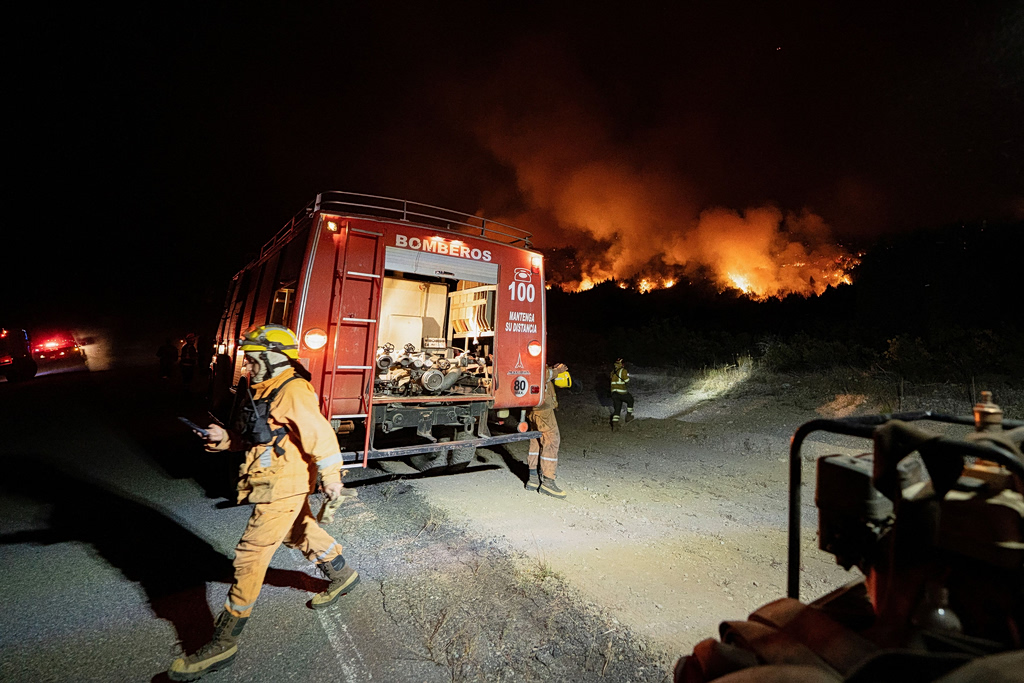
Firefighters work in an area affected by a wildfire in Epuyen, in the Patagonian province of Chubut, Argentina, February 1, 2026. REUTERS/Gonzalo Keogan
The region has been suffering from drought since 2008 and the temperatures in the first two weeks of January were 6 degrees Celsius above normal levels.
In south-eastern Australia, record temperatures are fueled the worst wildfires since 2019-2020, when 33 people lost their lives.
In South Africa, the wildfires have been the worst in decades this summer.
Since the 1970s, the Southern Hemisphere has being rising 0.15-0.17 degrees per decade, compared to 0.24-0.30 degrees in the Northern Hemisphere. The fact there is less landmass in the Southern Hemisphere means it warms up more slowly, with the vast oceans absorbing much of the heat.
Despite this, the Southern Hemisphere’s landmass is heating at almost the same rate as in the Northern Hemisphere. Additionally, the increasing temperature difference between land and sea will only cause more extreme weather phenomena, such as worse heatwaves, droughts, and floods.
The regio