The Mediterranean Sea is warming at one of the fastest rates on Earth, driving the influx of invasive species, disrupting fisheries, and endangering cultural heritage, according to the Copernicus Ocean State Report 9 (OSR9), published by the Copernicus Marine Service and Mercator Ocean International.
The 9th edition of the report confirms that semi-enclosed basins such as the Mediterranean, Black, and Baltic Seas are warming far more rapidly than the global ocean because of limited exchange with open waters. Between 1982 and 2023, the Mediterranean’s sea surface temperature rose by 0.41°C per decade, with strongest warming of up to 0.6°C per decade recorded in the Aegean, Levantine, and Adriatic Seas.

A drone view shows a car passing a bridge over a stream with hundreds of thousands of dead fish, near the port of Volos, Greece, August 30, 2024. REUTERS/Giannis Floulis
The frequency of marine heatwave conditions in the region increased by 16–23 days per decade, while mean warming was identified as the dominant driver of these events.
Record Heatwave and Ecosystem Disruption in Mediterranean Sea
Between May 2022 and early 2023, the Mediterranean experienced the longest-lasting marine heatwave in four decades, with surface temperatures up to 4.3°C above normal. The OSR9 documents that this event attracted invasive species and disrupted local fisheries.
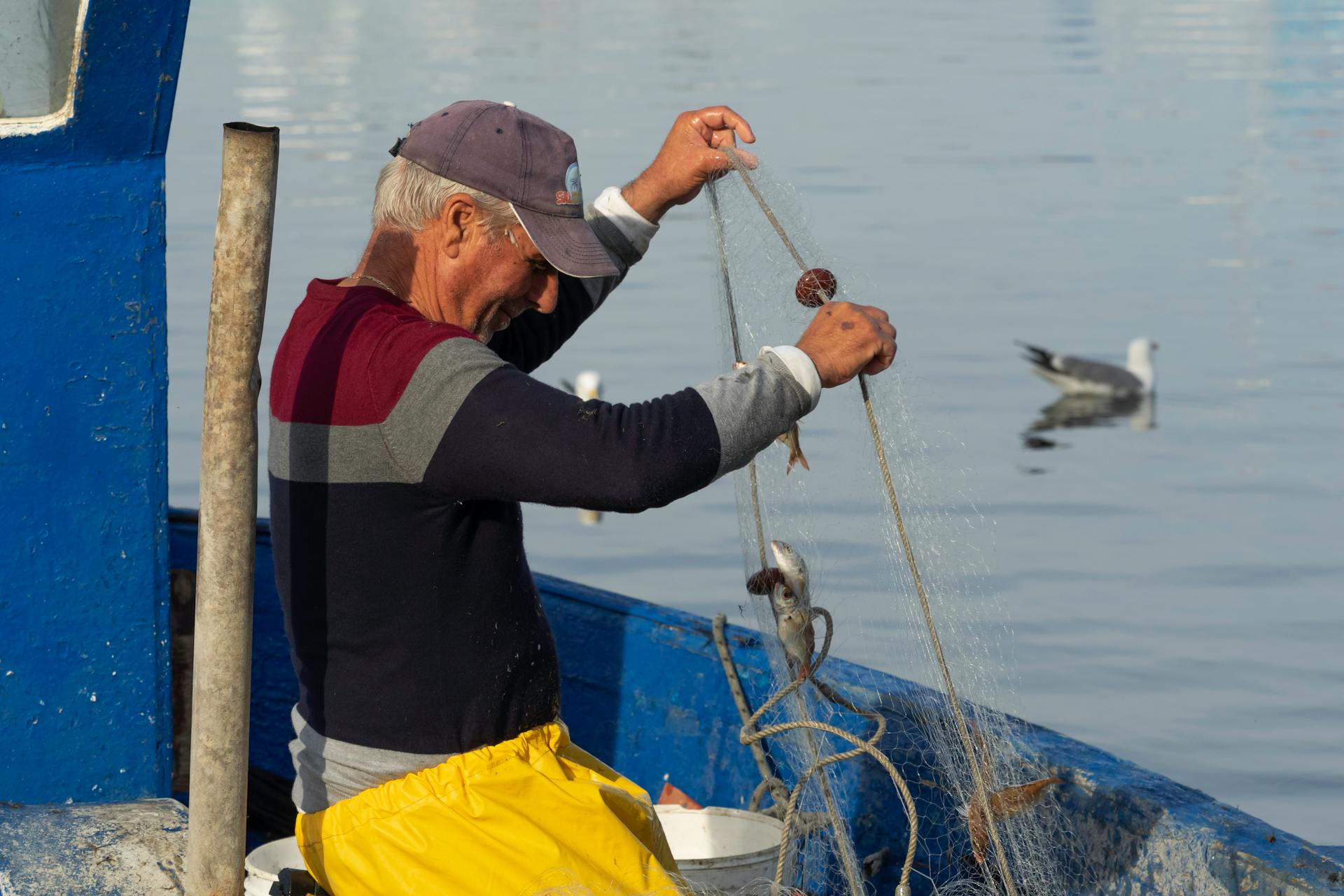
In the Po River delta in northeastern Italy, the arrival of the Atlantic blue crab (Callinectes sapidus) caused clam production to collapse by 75–100%. Meanwhile, in Sicily, populations of the bearded fireworm (Hermodice carunculata)—a species whose toxic bristles can cause painful stings and burns—threatened biodiversity, human health, and artisanal fisheries.
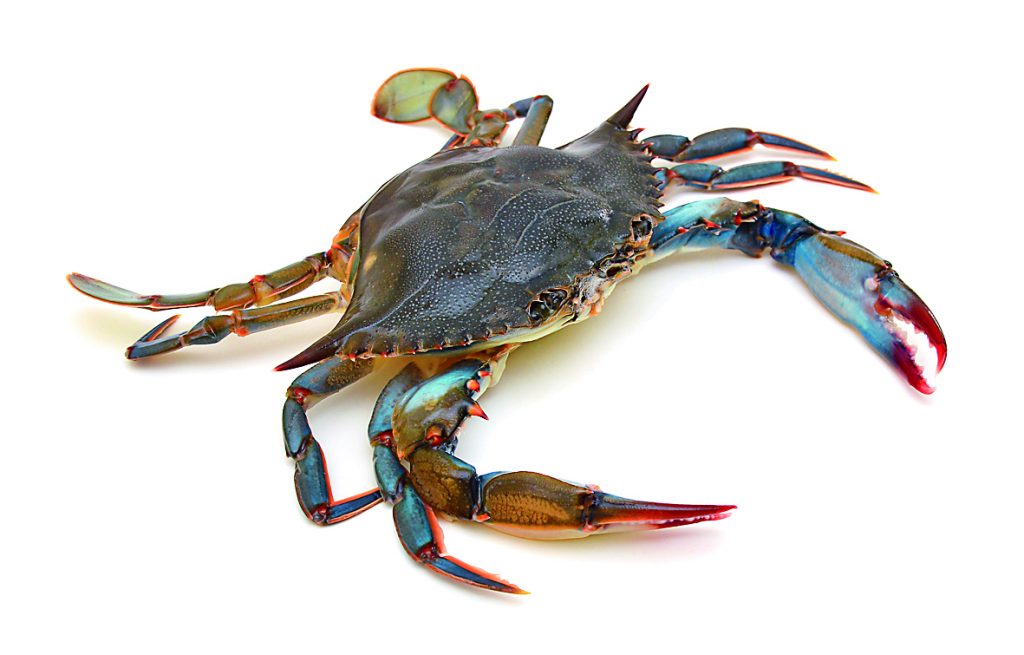
• Blue Crab (Callinectes sapidus): Native to the western Atlantic, now spreading along Mediterranean coasts, disrupting local fisheries, outcompeting native species, and razing seagrass beds. Edible and considered quite tasty.
The report situates these developments within the United Nations’ concept of the “triple planetary crisis” of climate change, biodiversity loss, and pollution, noting that no part of the ocean is untouched by its combined effects.
Sea Level Rise and Risks to Europe’s Coasts
Across the northeastern Atlantic and adjacent seas, including the Mediterranean, sea level has risen by 228 millimeters between 1901 and 2024, with an average rate of 3.7 mm per year and record-high levels in 2024. The OSR9 warns that these changes are increasing the risk of flooding and erosion in coastal areas where around 200 million people live.
The report also highlights that many UNESCO World Heritage sites in low-lying coastal regions across Europe will be flooded in the coming centuries or millennia due to sea level rise, and that all UNESCO World Heritage marine sites in the northeastern Atlantic and adjacent seas face ocean surface warming at rates above the global average.
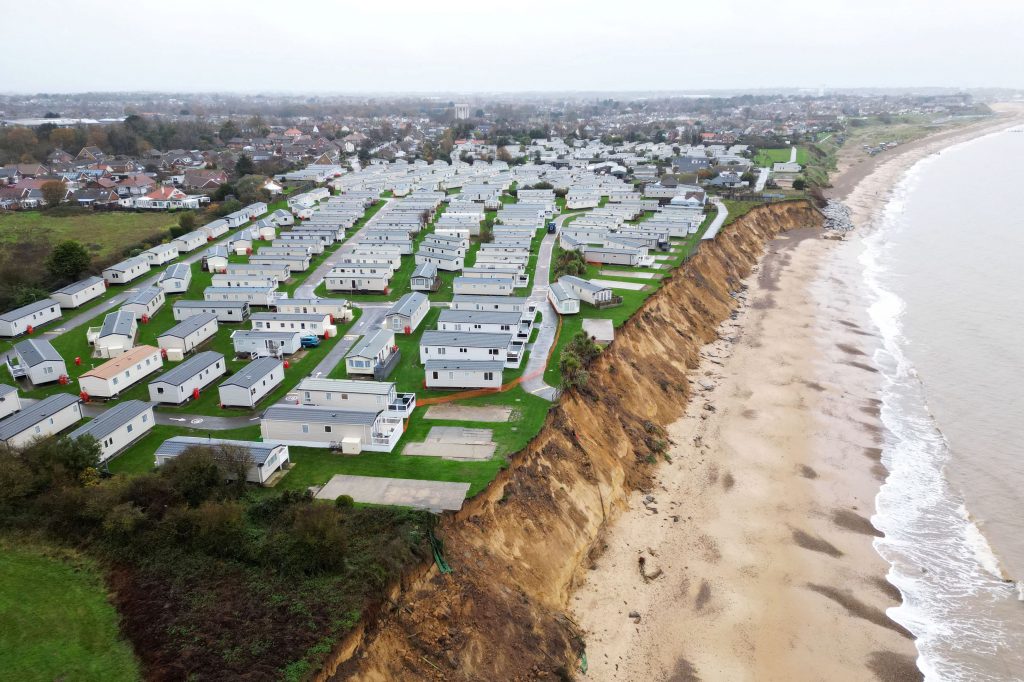
View of the seafront and collapsed road following the erosion caused by high tides and wind at Parkfield Holiday Park in Lowestoft, Britain November 27, 2023. REUTERS/Matthew Childs
Blue Economy Under Strain
According to the OSR9, in 2024, severe to extreme marine heatwaves occurred in waters home to 17% of shellfish farms along European coasts. The report also notes that extreme and severe marine heatwaves occurred by countries where 40–80% of blue-economy employment relies on coastal tourism.
The cumulative impacts—warming, acidification, and invasive species—pose escalating risks to fishing, aquaculture, and tourism sectors vital to Mediterranean economies such as Greece and Italy.
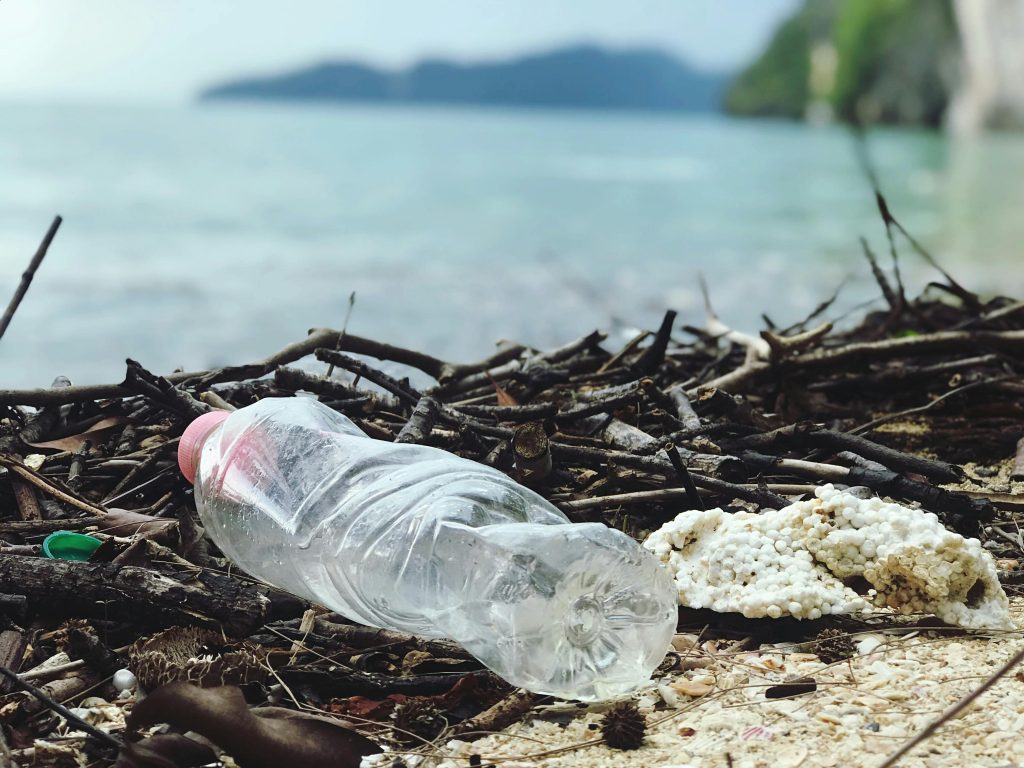
Image of a plastic bottle washed up on a beach in the Mediterranean sea. Credit: Catherine Sheila (Pexels)
As the report concludes, “High-resolution, reliable, and evidence-based information is essential for policymakers to make informed decisions and develop adaptive management strategies to safeguard the ocean’s — and therefore society’s — future.”