 Μake us preferred on Google
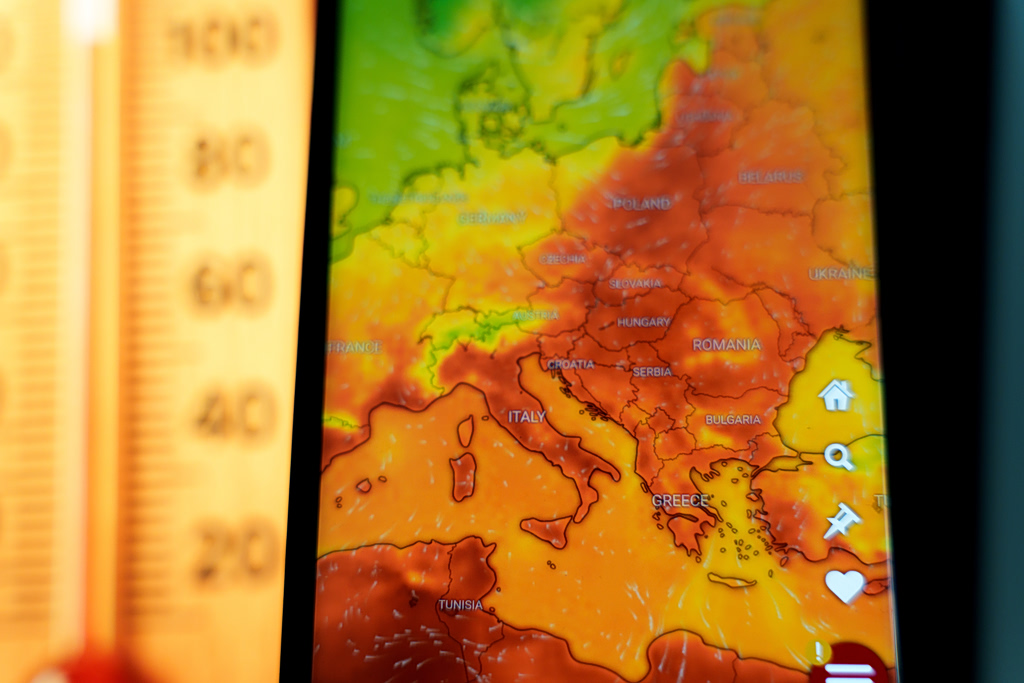
 Greece is set for continued hot weather over the coming days, with high temperatures expected to persist through the end of August. For now, however, there are no signs of temperatures reaching the extreme levels recorded during some of the country’s historic heat waves.
According to meteorologist Thodoris Kolydas, heat waves during the third ten-day period of August are uncommon, but they are not unprecedented in Greece.
The current forecast, however, does not indicate temperatures comparable to those recorded during the most extreme heat episodes of the past.
The most notable example of an extreme heat wave during the third ten-day period of August occurred from August 20–26, 1958.
On August 23, Trikala reached 47.2°C (117°F), while Larissa recorded 45°C (113°F) on the same day.
The following day, August 24, Athens reached 43.6°C (110.5°F), Elefsina recorded 43.5°C (110.3°F), and Thessaloniki’s Sedes area reached 43.2°C (109.8°F). Temperatures reached 43.9°C (111°F) in Serres, while island areas also recorded exceptionally high temperatures: 42°C (107.6°F) in Rhodes, 41.6°C (106.9°F) in Milos, 41.4°C (106.5°F) in Chios and 41°C (105.8°F) in Kythira.
The duration of the episode in Larissa was also particularly striking. The city recorded seven consecutive days with maximum temperatures of at least 40°C (104°F), peaking at 45°C (113°F).
Two other significant episodes followed during the third ten-day period of August. From August 19–22, 2006, temperatures reached 44°C (111.2°F) in Argos and 43.2°C (109.8°F) in Agrinio.
One year later, from August 24–26, 2007, temperatures reached 42.4°C (108.3°F) in Argos, 42.2°C (108°F) in Pyrgos and 42°C (107.6°F) in Konitsa. The 2007 episode coincided with the extensive and devastating wildfires that struck the Peloponnese and southern Evia.