 Μake us preferred on Google
 The Greek government is seeking to acquire a rare collection of 163 photographs taken by German forces during World War II, after officially declaring the archive a protected monument due to its historical significance.
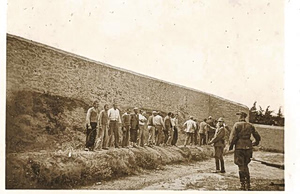
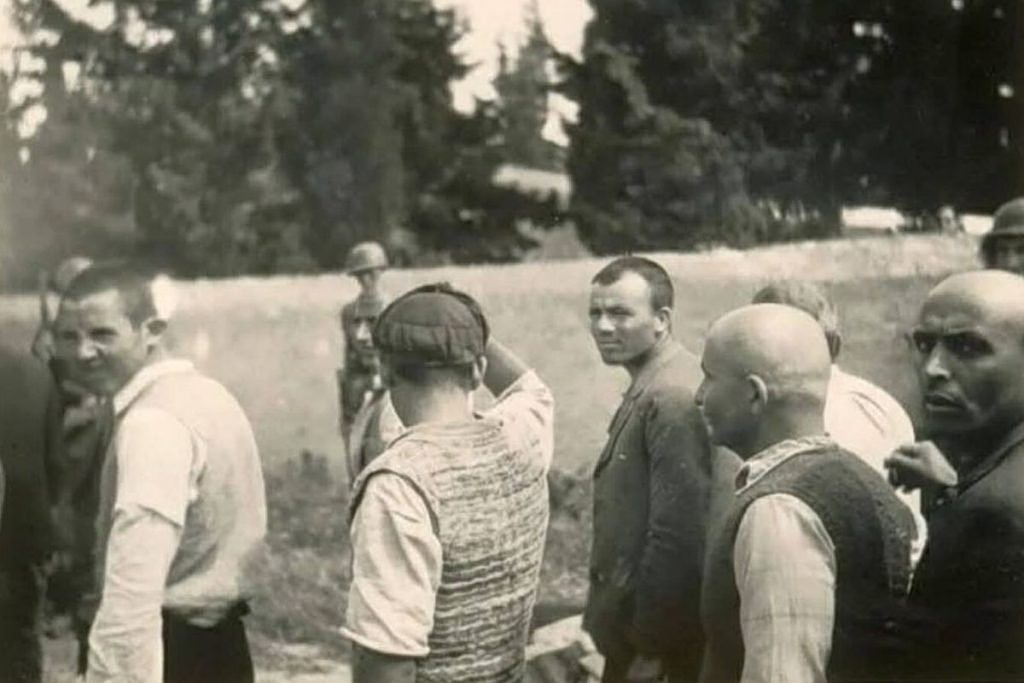
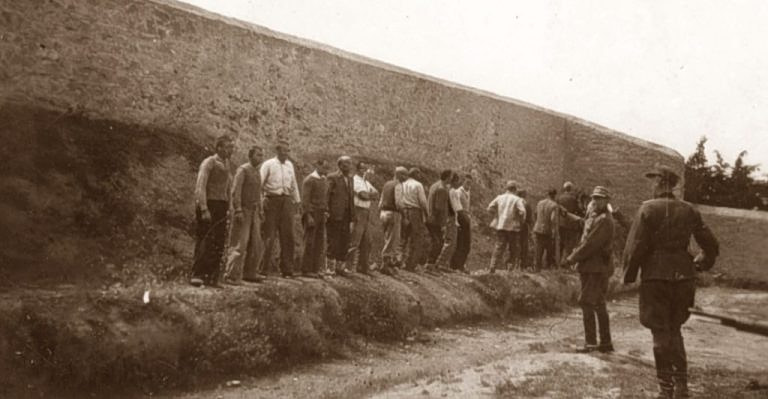
The collection includes images documenting the final moments of 200 Greek prisoners executed by German occupation authorities on May 1, 1944, at the Kaisariani firing range in Athens. The photographs surfaced earlier this month on an online auction platform, offered by Belgian collector Tim de Craene through his militaria company.
Although 12 of the execution-related photographs were initially listed for sale, the Ministry of Culture has announced its intention to pursue the acquisition of the entire archive. The images were originally assembled by Hermann Heuer, a Wehrmacht lieutenant who served in occupied Greece in 1943–44.
A Record of Atrocity and Propaganda
The photographs include portraits of condemned prisoners walking toward their execution and images of the Haidari concentration camp, where they were detained. Some of the prints bear the handwritten date “Athen 1.5.44,” linking them directly to the mass execution.
The execution of the 200 prisoners was ordered as retaliation for the killing of a German general and three officers in southern Greece days earlier. Most of those executed were political detainees imprisoned since the 1930s, while others had been arrested during the occupation for resistance activities. In total, 350 Greeks lost their lives in the reprisals that followed.
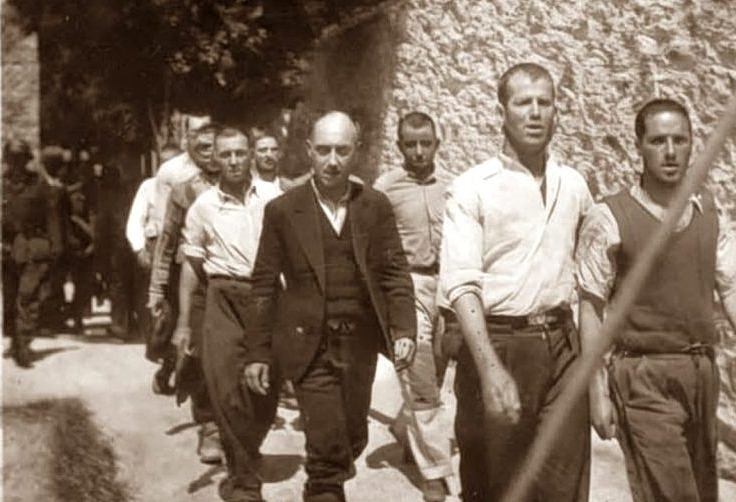
Beyond documenting a war crime, the archive sheds light on the machinery of Nazi propaganda. According to the Culture Ministry, the collection reflects how occupying forces used photography to construct narratives of control and “success” in conquered territories.
Joseph Goebbels’ Propaganda Units accompanied German troops across Europe, using cameras as tools of ideological influence. Soldiers were encouraged to photograph both military operations and daily life in occupied regions. The resulting images ranged from staged depictions of normalcy to documentation of brutality.
Historical Value and Next Steps
Officials say the archive provides rare visual testimony, giving “faces” to historical accounts of the prisoners’ dignity and resolve in their final hours. At the same time, it offers researchers insight into how images were used to shape perceptions during World War II.
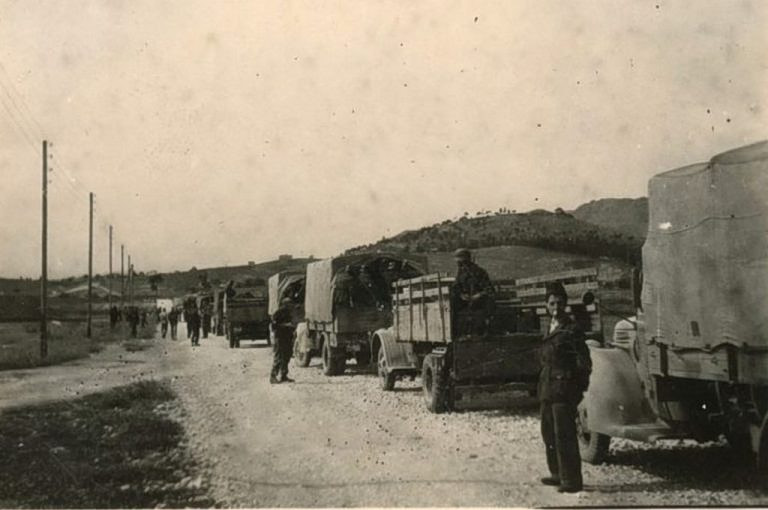
The Culture Ministry’s experts are scheduled to meet the collector in Belgium to verify the authenticity of the material before moving forward with acquisition procedures.