 Μake us preferred on Google
 With the first week of June comes the densely packed cultural program at the much-anticipated Athens Epidaurus Festival. TO BHMA International Edition is keeping track of the most anticipated performances of the year, giving you a weekly pocket guide into what’s playing in the main venues of the Festival.
This week, we have debut performances to look forward to by internationally acclaimed artists as well as original Greek dramaturgy.
MONDAY 01/06/2026 “Schliemann III” at Peiraios 260
For its inaugural event at the celebrated venue constellation, the Athens Epidaurus Festival welcomes one of the most compelling figures of the European music and theatre scene, Heiner Goebbels.
Schliemann III is an invitation to inhabit alternative sites of experience, spaces that challenge and recalibrate our perception of History itself. The work takes as its point of departure the reconstruction of a plan of Troy, with its nine unearthed strata, drawn from the diary accounts of Heinrich Schliemann during his excavation programme that took place between 1871 and 1873.
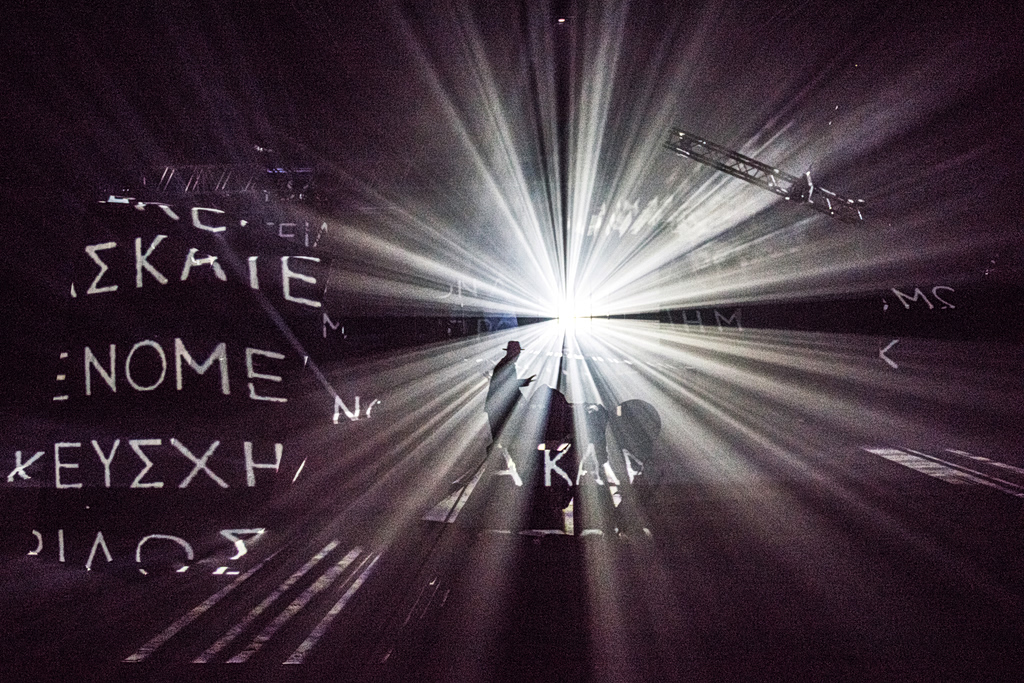
Schliemann III AEF2026. Photo by Karol Jarek.
Voices in Greek, performers, and musicians enter into dialogue with a heterogeneous tapestry of texts and sounds that includes pseudo-archaic declamations and passages from the Iliad, fragments from The Trojan – Hector Berlioz’s operatic reimagining of Troy – alongside folk songs, electronic sound samples, and pre-recorded compositions.
The result unfurls as a series of distinct “excavations”. The performance, together with its sources, does not merely allude to Schliemann’s quest to uncover the remnants of Troy, but further bears the imprint of various site-specific forms the project has assumed in the past: the original stage installation Newtons Casino by Michael Simon and Heiner Goebbels, first presented at Frankfurt’s Theater am Turm in 1990, and the later version, Schliemann’s Scaffolding, conceived and presented in 1997 in collaboration with the THESSEUM theatre organization in Athens.
The performance includes an excerpt from the song “Makria” (Away), part of the unpublished musical work by Thanasis Moraitis based on poems by C. P. Cavafy, entitled I turn to you, Art of Poetry.
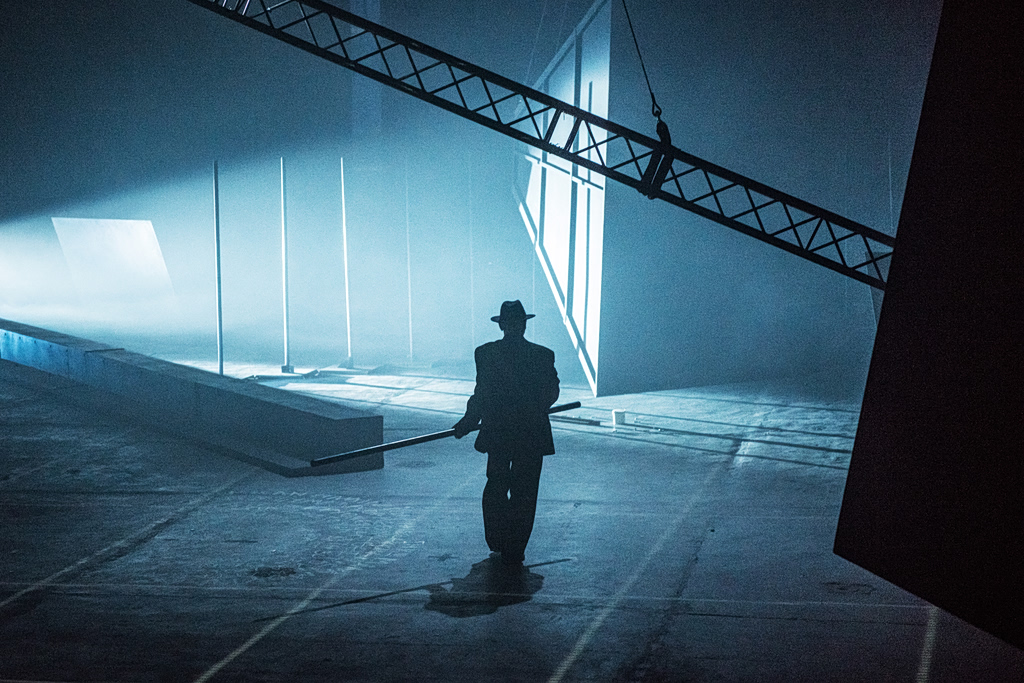
Schliemann III AEF2026. Photo by Karol Jarek.
WEDNESDAY 03/06: Víkingur Ólafsson at Odeon of Herodes Atticus
The Icelandic pianist Víkingur Ólafsson is an undisputed phenomenon of rare stature. Among the most celebrated artists of his generation – and long an exclusive recording artist with Deutsche Grammophon – Ólafsson remains, above all, an uncompromising visionary. His artistic choices are marked by originality and by a subversive, luminous gaze that reimagines even the most familiar cornerstones of the piano repertoire.

VikingurÓlafsson Opus109 @ AriMagg.
In his eagerly awaited Greek debut, Ólafsson presents a programme of works by Bach, Beethoven, and Schubert, conceived under the title Opus 109, mirroring his latest recording released in November 2025. The title, of course, alludes to Beethoven’s Piano Sonata No. 30 in E major, which the artist places alongside – and perhaps even in dialogue with – other works by Beethoven and Schubert, while never neglecting his beloved Bach. As the pianist himself suggests, these two grand nineteenth-century composers confront the eighteenth-century giant “as every composer ought to do.” The unifying thread of the programme is the tonality of E, both minor and major. Within this tonal landscape, Ólafsson harnesses the condition of synaesthesia as a generative force, evoking a vast array of green’s rich and vivid shades.
THURSDAY 04/06: Blade Runner Live at Odeon of Herodes Atticus
Nearly half a century after its release, the futuristic noir “Blade Runner” movie – steeped in darkness, rain, neon light, and shadows slipping at the edge of vision– retains a place of honor in the history of cinema. It is the film that restored science fiction to its rightful stature, establishing it as a genre worthy of serious artistic regard and bringing it back from the (self-imposed) exile in which it had lingered. It is also the soundtrack that ushered electronic music into every home: Vangelis’s moving cathedrals of synthesizers have forever haunted the cinematic imagination and the emergent language of electronica, setting the standard against which every original score would henceforth be measured.
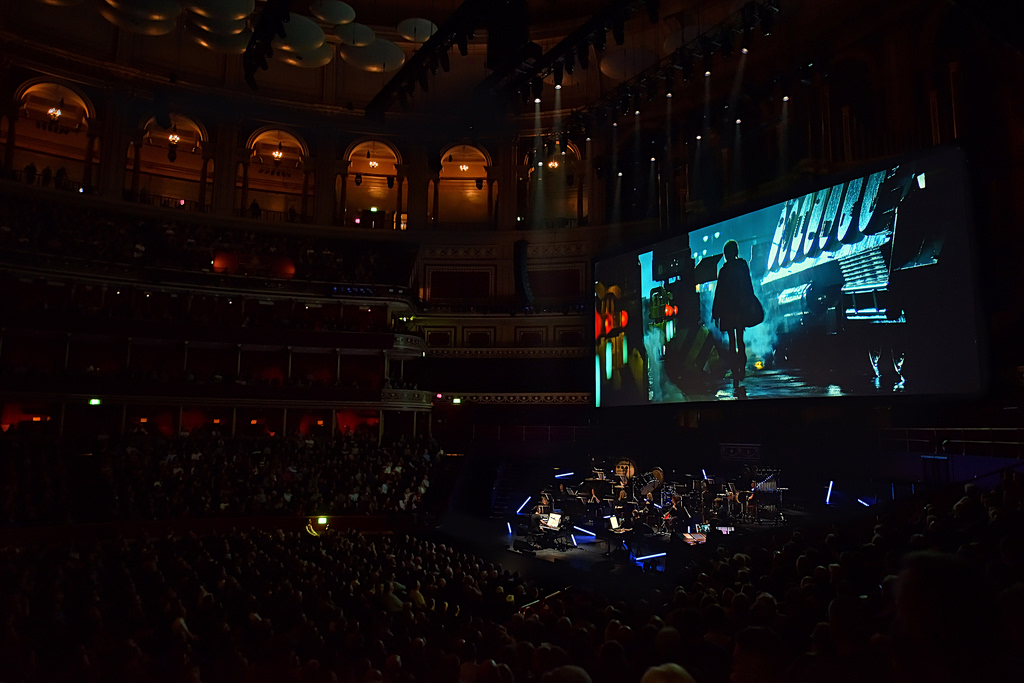
Blade Runner LIVE © Paul Sanders
On June 4, beneath the rock of the Acropolis, the Final Cut of this landmark film will be screened on a monumental HD screen, while its future-proof soundtrack is performed live by the eleven-member The Avex Ensemble, in perfect synchrony with the image. This will surely be a rite of initiation: a fragment of the future brought to life within the shell of an ancient theatre, on the eve of its closure for restoration works.
For decades, the film foretold a world in which technology and human existence would become so deeply intertwined as to be indistinguishable. Today, it no longer feels prophetic – it feels realized: the replicants of our time demand autonomy and recognition; humanity finds itself questioning its own nature and limits, as well as the future of consciousness in a world of machines that have gained intelligence.
FRIDAY 05/06: CARCOMA at Peiraios 260
CARCOMA originates from this dark, deeply haunted universe as a free stage adaptation of the novel Carcoma by Spanish author Layla Martínez (released in English as Woodworm). First published in 2021 by the independent feminist press Amor de Madre, the book struck a wide nerve, going on to be translated into more than fifteen languages.
In a house thick with shadows, figures of saints, and folk superstitions, two unnamed women – a grandmother and her granddaughter – live in seclusion, as though they have inconspicuously merged with the very walls that surround them. When a child’s disappearance turns the gaze of the community and the intrusive glare of the media upon them, their confessions unravel into a familial palimpsest of silence, masculine violence, and class corrosion.
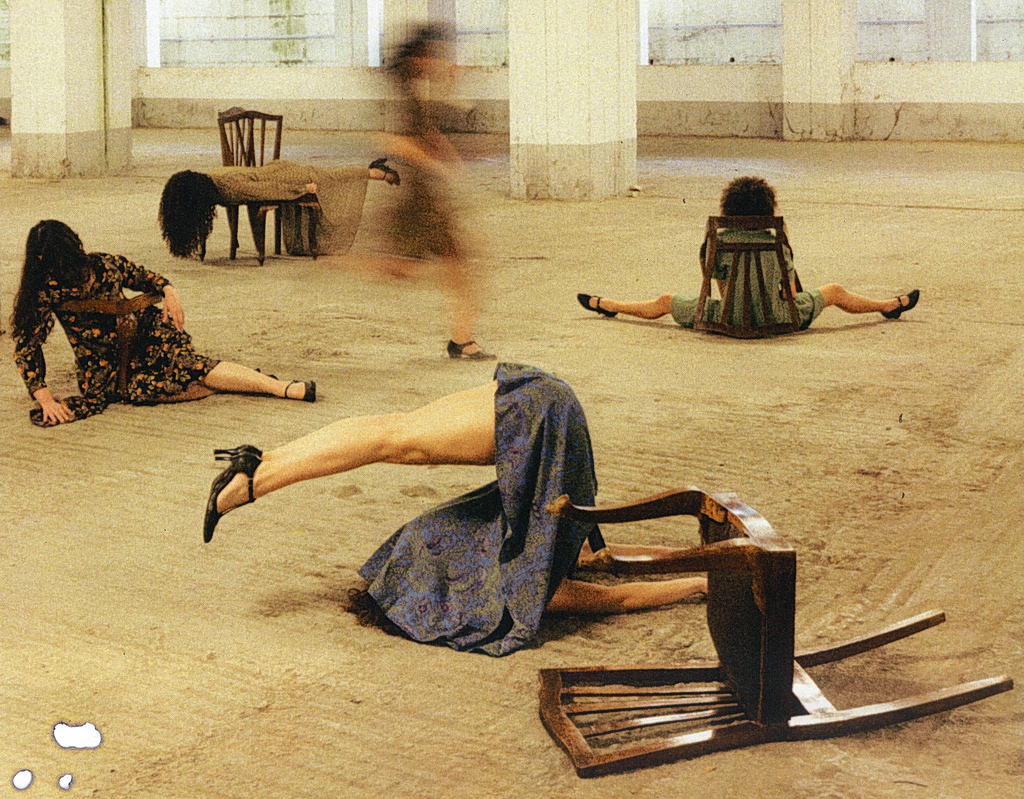
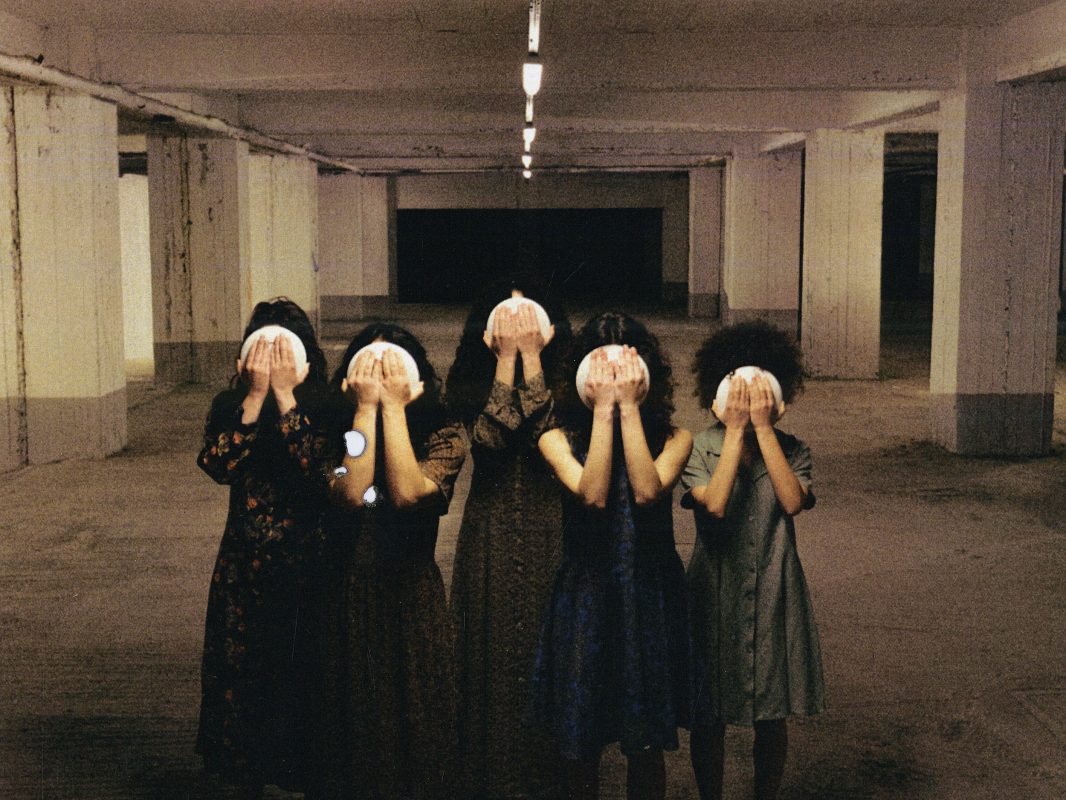
CARCOMA taken by @tonytheodorakis.
In this stage version, the house becomes a living archive of violence, while the stage emerges as a site of ongoing disintegration. The two narrators address us from an in-between realm, oscillating between confession and invention. They are discreetly accompanied by a strange chorus of women: shadows that rise from the house’s own entrails, a collective memory unable to find rest.
The performance explores the manifold ways in which trauma is passed down from generation to generation, like a torch: how humiliation, pain, and shame inscribe themselves upon the body, which remembers and holds what language can only arrive too late to name. In CARCOMA, events are “undermined” by the poetic and the transcendental. Where words are exhausted, there remain only countless small holes in the skin.
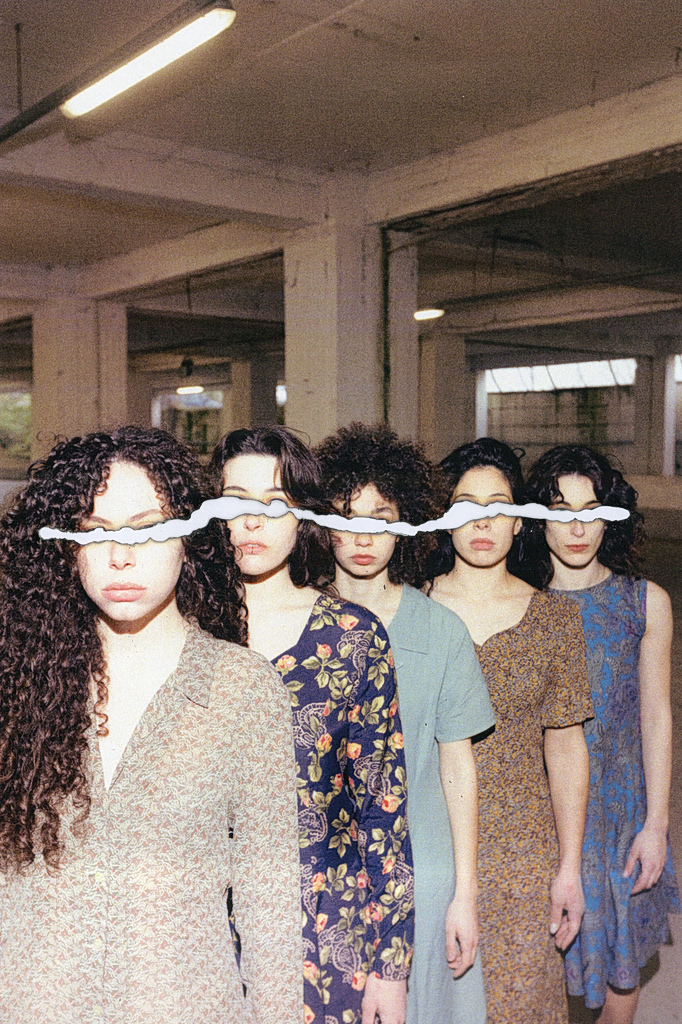
CARCOMA taken by @tonytheodorakis.
SATURDAY 06/06: Stavros Xarchakos at Odeon of Herodes Atticus
From Our Grand Circus to Rembetiko, from his studies in Paris with Nadia Boulanger to Juilliard in New York – encouraged by Leonard Bernstein – Stavros Xarchakos’ path has been unwavering and monumental, but, above all, highly attuned to the grand adventure of modern Greek song, of which he remains one of the most authentic craftsmen. And yet, this legacy does not seem to weigh upon his shoulders. His activity in recent years reveals an artist wholly surrendered to the pulse of the present and to its vital unrest. For the present is the true dwelling of the creator: a living moment, ever expanding, capacious enough to hold all others within it.
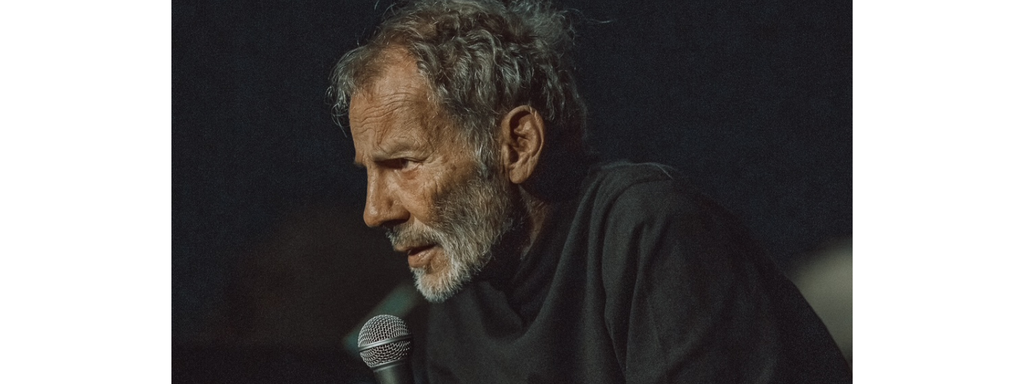
Stavros Xarchakos
On the stage of the ancient theatre, generations converge, and the title of the concert gains its sharpest meaning and resonance: the present of the music is where memory, experience, and new creation become one.
SATURDAY 06/06: Omikroniota at Peiraios 260
In Omikroniota,* Yannis Didaskalou composes a small, tender hymn to the We – and to all our adjectives in plural – finding in the theatre of the absurd fertile ground to articulate the profoundly human unease and existential anxiety born of solitude. In Modern Greek, the plural of most adjectives is marked by the suffix -oi (“οι”, omicron–iota), a conventional inflectional ending indicating plurality (much like familiar suffixes in English).
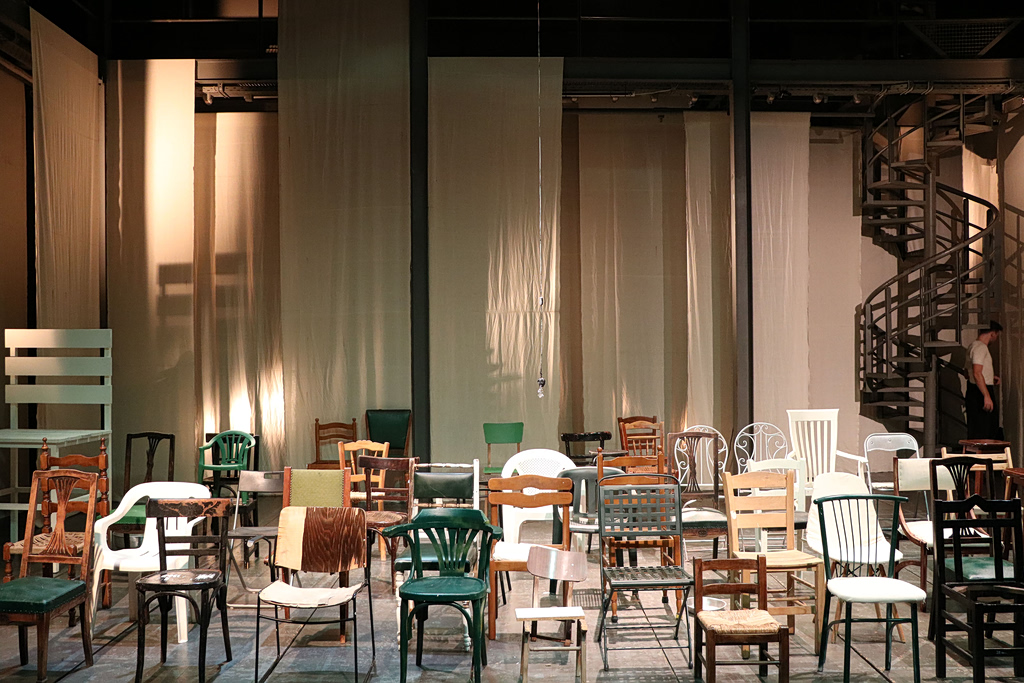
Photo by Zoi Papari
Two individuals stand on stage, bound in an intimate and enigmatic relationship, isolated within a world entirely their own. We observe their everyday life as they wait for guests: their habits, their quiet rituals, their private games. They wish to announce something urgent. Yet as the anticipated moment draws near, language seems to recede, to fracture, inviting memory and imagination inside the frame.
The guests they await are, ultimately, nothing more than part of an endless game the two characters replay across time and space. It is through this paradoxical pastime that each finds a way to speak to the other of what truly weighs upon them. The work probes those emotions left suspended, and our need to be recognised and loved by the other before it is too late.
In Omikroniota, a fragile, tender, and absurd world is revealed – a world in which the self desperately seeks a we, or, as one of the characters remarks while – once more – awaiting their guests: “Shall we get to know each other again, just before they arrive?”
SUNDAY 07/06: ‘The Goalie’s Anxiety at the Penalty Kick’ at Peiraios 260
The moment before the penalty is taken. Everything stands suspended. Time, movement, certainty. Within this speck of time unfolds The Goalie’s Anxiety at the Penalty Kick, one of the most emblematic works by the German-speaking Austrian writer Peter Handke – a text that left an indelible mark on postwar European literature. Aris Kakleas brings it to the stage as an experience of estrangement, where reality splinters and meaning remains perpetually open.
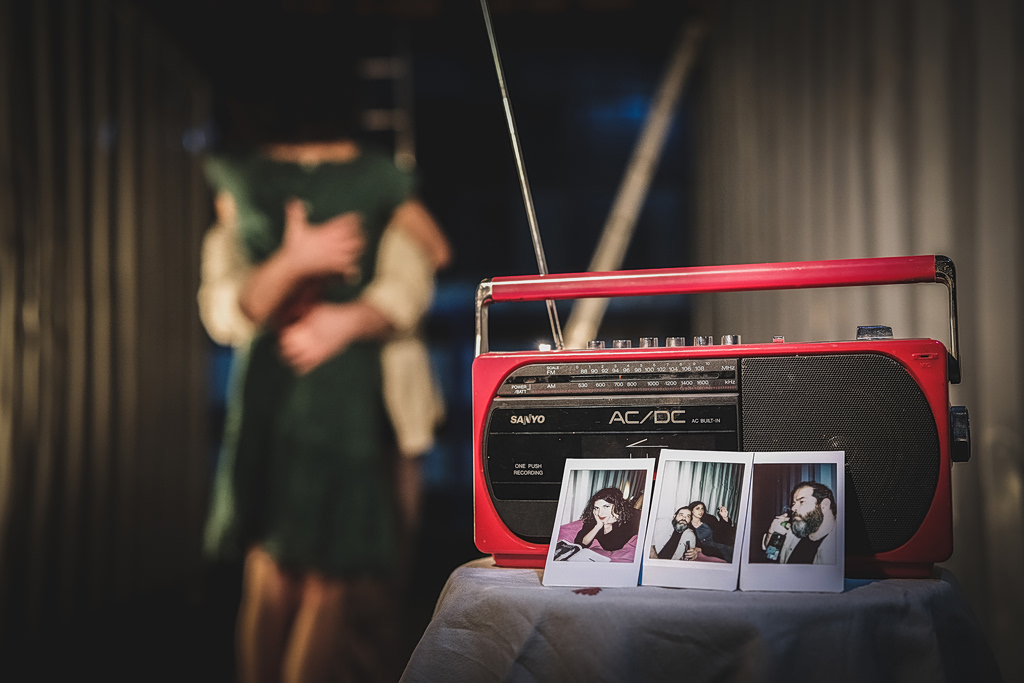
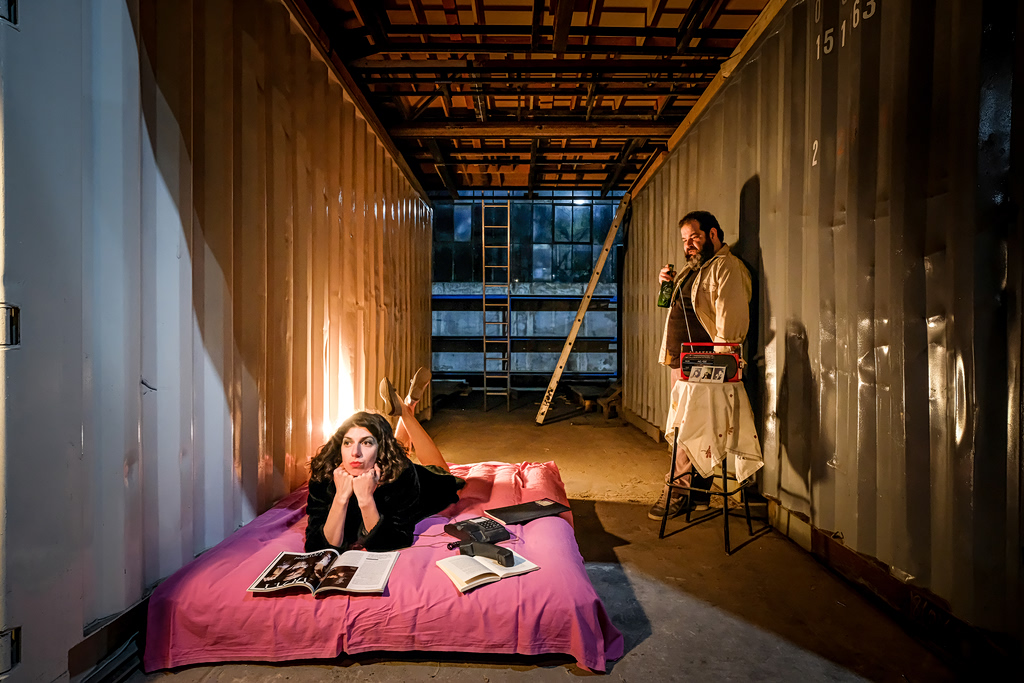
Aris Kakleas ©akis_christou
At its centre stands Josef Bloch, a former goalkeeper turned film editor. Following a murder, he abandons Vienna and seeks refuge in a small border town in Austria. From that point on, the narrative foregoes the trajectory of a crime story toward resolution and instead sinks ever deeper into a state of inner disintegration. The world surrounding Bloch appears at once familiar and incomprehensible; words drift away from things, gestures become opaque, and reality itself turns disjointed, as though it has lost its coherence.
Four narrators, pauses, repetitions, perceptual leaps, and the live transformation of space compose a field of constant instability, where everything resists fixation. With a stripped-back theatrical language and an emphasis on the body, the voice, and the gaze, Handke’s work is recast as a performance that foregrounds human anxiety at the threshold of an irreversible act.