
 Μake us preferred on Google
 The findings of the Greek E-Commerce Survey 2026 can be read as an inverted reflection of consumers’ offline spending habits. Conducted by the Greek e-Commerce Association (GR.EC.A.) and the ELTRUN Laboratory of the Athens University of Economics and Business, the study tracks consumer trends rather than market turnover, offering a clear indication of which sectors are gaining momentum and which are losing ground.
One of the survey’s key findings is that spending cuts in physical stores are increasingly mirrored online, reflecting a broader trend of consumer caution. As households trim travel budgets and opt for family holiday homes instead of rented accommodation, bookings through platforms such as Booking and Airbnb have declined. Online purchases of travel-related services have also fallen, although they remain among the most popular categories in e-commerce.
The survey also highlights a growing shift in fashion retail, where e-commerce is increasingly taking market share from traditional retailers. Low-cost platforms such as Shein, Temu and Trendyol, along with players like About You and the online stores of fast-fashion chains including H&M, are gaining ground at the expense of smaller Greek retailers.
As a result, clothing and footwear have become the most popular online shopping category, overtaking accommodation services, which ranked first in 2025.
Rising living costs are reshaping consumer behavior across both retail and services. While the apparel and footwear sector remains weak, shoppers are increasingly turning to cheaper alternatives and online discounts. Retail clothing turnover rose by just 0.6% in 2025, according to ELSTAT, but fell by 1.8% in real terms after inflation.
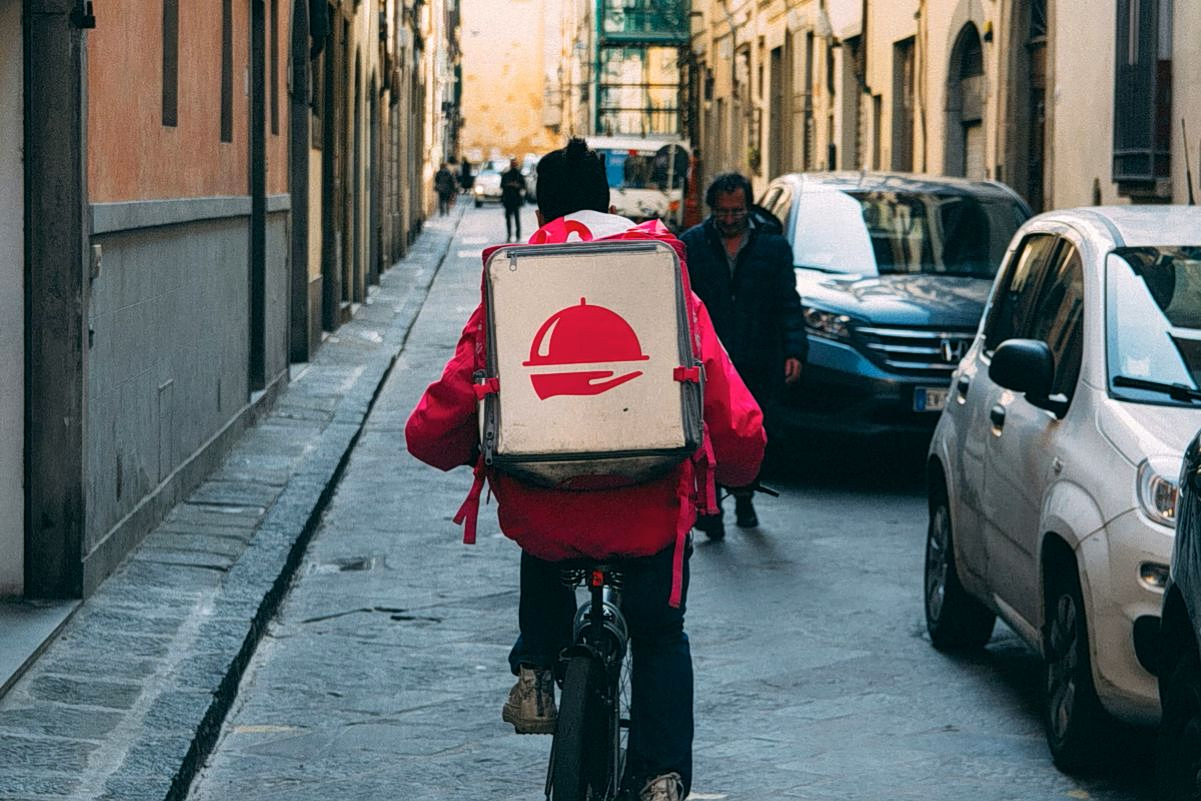
The pressure is also evident in food and leisure spending. Food-service turnover declined by 1.9% in the first quarter of 2026, with the real drop even steeper once inflation is taken into account. Online food orders recorded the sharpest decline of any e-commerce category, falling to 65% of consumers from 76% a year earlier.
Higher delivery fees and platform commissions appear to be driving some consumers away from digital intermediaries. The same trend is visible in accommodation bookings, as more travelers seek direct deals from providers. As a result, the share of consumers booking accommodation online fell from 79% to 73%, while online purchases of travel services and event tickets also declined.
Overall, consumers are becoming more price-conscious, comparing options more carefully and increasingly bypassing platforms when direct purchases offer better value.