
 Μake us preferred on Google
 As the European Union prepares for a crucial summit on March 19, familiar fault lines are re-emerging. This time around it’s over energy. With a new energy crisis looming, EU member states appear increasingly split into opposing camps, echoing tensions seen in 2022 after the outbreak of the war in Ukraine. Now, renewed instability in the Middle East and surging fuel prices are once again testing the bloc’s unity. Yesterday’s meeting of EU energy and foreign ministers ministers in Brussels laid bare these tensions, revealing conflicting national interests just days before leaders gather for the European Council.
At the heart of the dispute lies a growing divide between northern and southern European countries. Wealthier, energy-exporting nations in the north are clashing with southern states that face higher energy costs and greater vulnerability to price shocks. The scale of the challenge is clear. Brent crude prices have surged to $100 per barrel, while natural gas prices have jumped by more than 65%.
Clash Over Energy Networks
A key point of discussion focused on the future of Europe’s electricity networks and whether they should be more centrally coordinated at the EU level.
Sweden expressed reservations about the approach. Energy Minister Ebba Busch said infrastructure investments should take into account national differences, warning that more centralized planning could place added pressure on countries with already developed systems. She also indicated that greater flexibility would be needed for Sweden to fully support new cross-border initiatives.
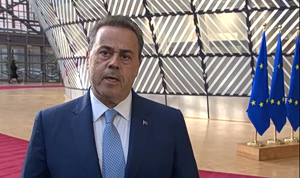
Greece responded to those concerns. Environment and Energy Minister Stavros Papastavrou said that a more coordinated approach is necessary, cautioning against what he described as ultimatum-style positions.
He pointed to ongoing disparities in electricity prices across the EU, noting that countries in Southeastern Europe have experienced significantly higher costs in recent years. According to Papastavrou, these differences risk undermining the cohesion of the single energy market.
“A common European energy market is necessary,” he said, stressing the importance of networks and infrastructure.
Russian Gas Debate Resurfaces
The most consequential divide however centers on the EU’s future relationship with Russian energy.
Although all 27 member states agreed only a few months ago to phase out Russian natural gas imports starting in 2027, that unity is beginning to fray. Belgium’s Prime Minister Bart De Wever has called for a normalization of relations with Russia to restore access to its gas supplies. Hungary and Slovakia are reportedly taking a similar stance.
These positions stand in contrast to the EU’s official line. Energy Commissioner Dan Jørgensen reiterated that the bloc has already made a clear decision.
“We decided in the European Union that we do not want to import Russian energy. Before Christmas, we made it law,” he said. “It would be a mistake to repeat what we did in the past. In the future, we will not import a single molecule from Russia.”
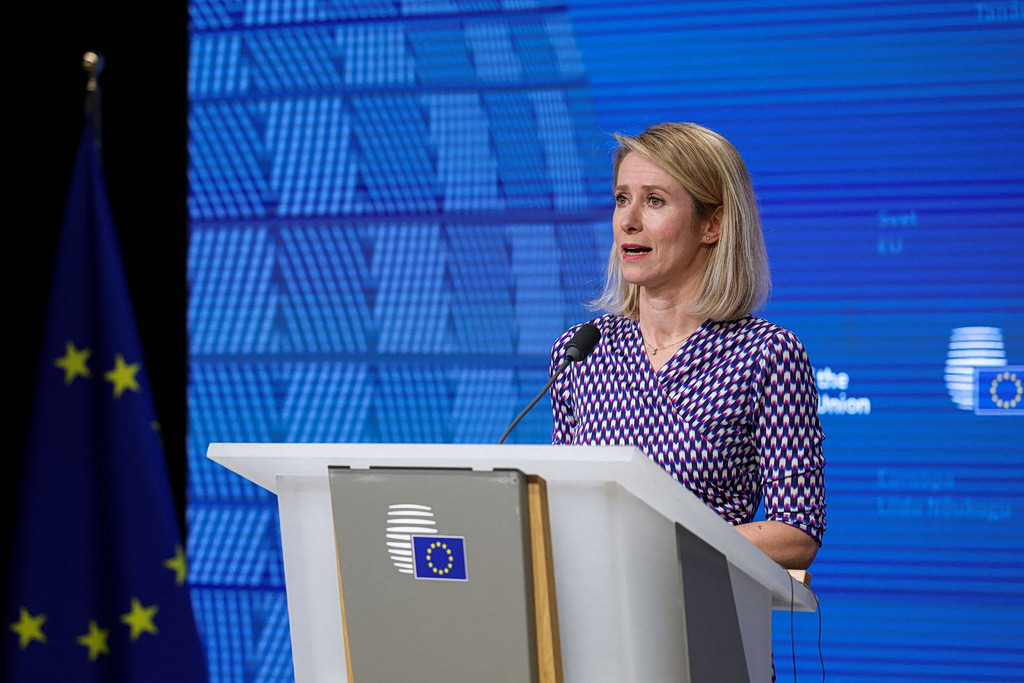
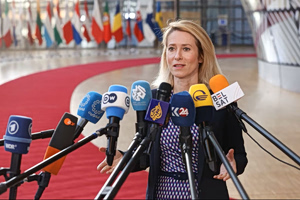
EU High Representative for Foreign Affairs and Security Policy, Kaja Kallas speaks during a closing press conference at a European Union Energy and Foreign Affairs ministers meeting in Brussels, Belgium, March 16, 2026. REUTERS/Omar Havana
Commission outlines limited measures
In a letter to EU leaders ahead of the March 19 summit, European Commission President Ursula von der Leyen outlined a set of measures aimed at easing pressure from rising energy costs without resorting to major market interventions, according to Reuters. The proposals focus on allowing greater state aid for industry, considering targeted tax relief and adjusting the EU’s carbon market to help contain prices in the short term. At the same time, von der Leyen stopped short of more far-reaching steps, such as capping gas prices or redesigning the electricity market. She noted that while the EU’s physical energy supply remains secure, higher fossil fuel prices are already weighing on the economy, with import costs increasing amid the latest geopolitical tensions. According to the letter, the EU’s oil and gas import bill has already risen by €6 billion since the start of the latest conflict.
Infrastructure Under Pressure
Concerns are also growing over the future of alternative energy routes. Alexandros Exarchou, chairman and CEO of the AKTOR Group, warned in an interview with Sunday’s Edition of TO BHMA that efforts to develop the so-called Vertical Corridor—a key energy route intended to diversify supply—are being undermined.
According to Exarchou, some northern European countries are actively pushing for conditions that would make US LNG less affordable for European consumers, potentially steering the continent back toward Russian gas. He also alleged that pressure is being exerted on countries along the corridor to avoid securing long-term LNG supplies from the United States.
The CEO of AKTOR, claimed during the interview that as far as the Vertical Corridor is concerned Greek and US interests are aligned.
Source: ot.gr, Reuters