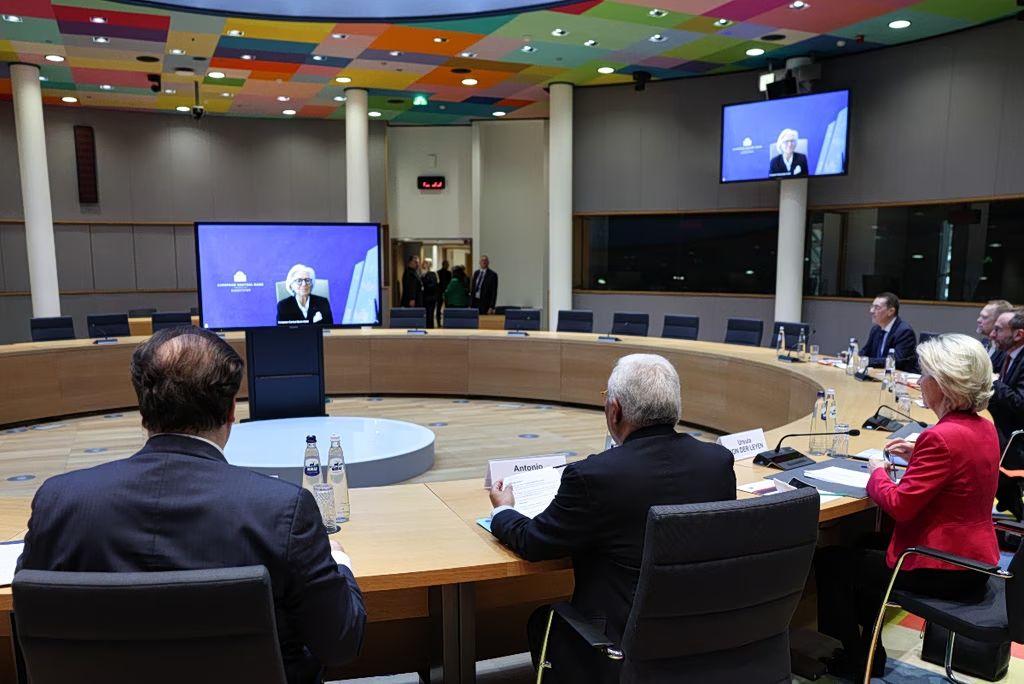
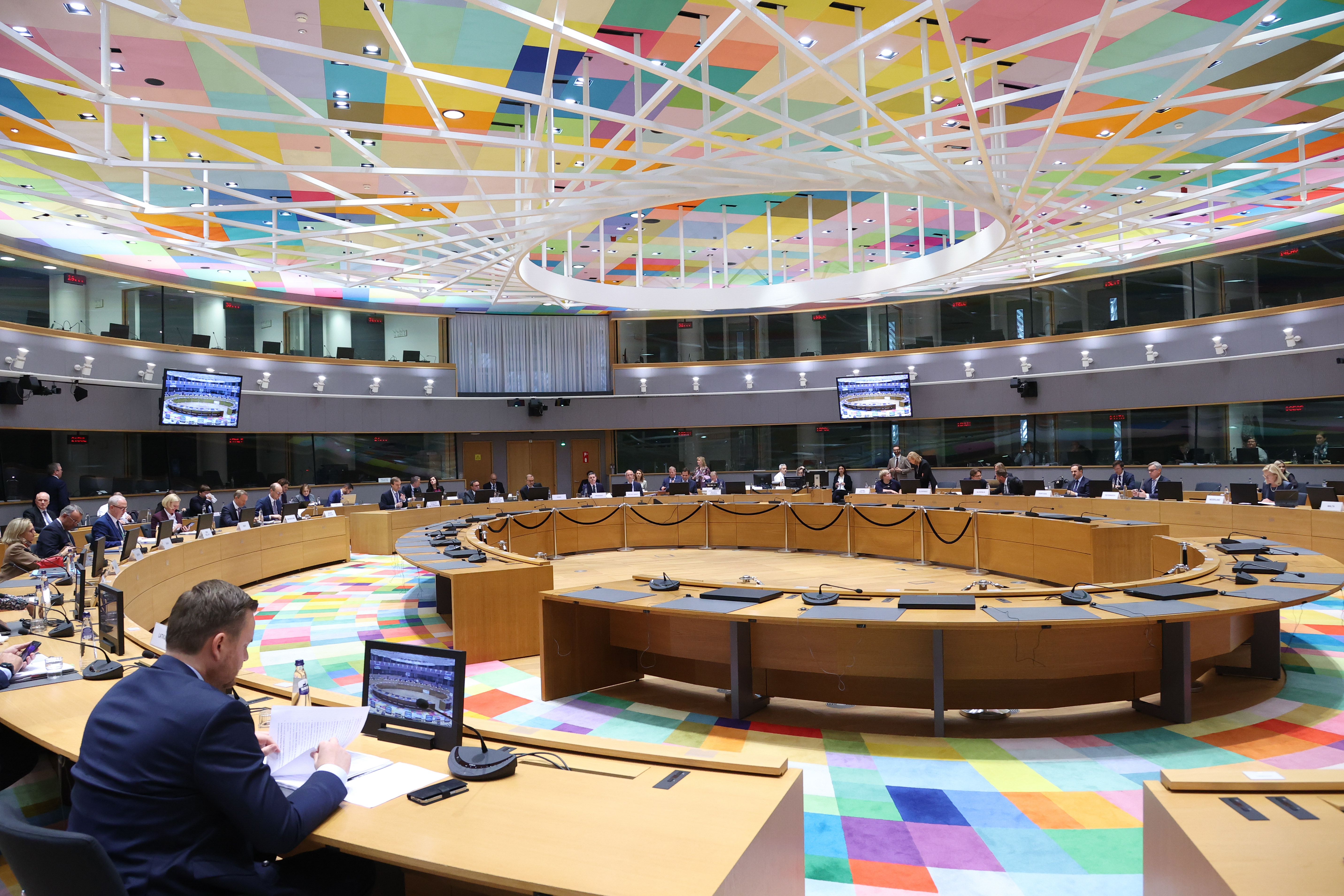
Eurozone finance ministers are meeting in an emergency Eurogroup session to hammer out a coordinated response to a fast-moving energy crisis that is already outpacing the European Union’s decision-making process. With oil prices above $100 a barrel, fuel costs squeezing households and businesses, and markets signaling a new inflationary cycle, the talks are focused on whether a common set of measures can curb rising prices. The main challenge is timing. By the time policymakers manage to align on a commonly agreed policy, the economic impact of the conflict will already have spread.
Energy shock spreads across the economy
Behind the scenes, divisions are clear even before the meeting takes place. According to sources familiar with the discussions, the debate is not only about the scale of intervention but also about who will bear the cost.
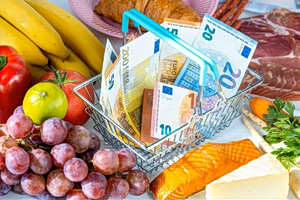
European officials acknowledge that the eurozone’s response time is lagging behind market developments. Rising energy prices are already making transport, food and services more expensive, adding to inflationary pressures. Market analysts warn that energy costs ripple through the entire economy, affecting supply chains and ultimately consumer prices.
This dynamic is not new. In 2022, a similar surge in energy costs pushed eurozone inflation to record highs, forcing governments to deploy more than €700 billion in support measures. Today, however, the context is different: higher interest rates, tighter fiscal rules and limited room for large-scale intervention.
Three key tools under discussion
According to sources involved in the preparatory technical talks, three main policy levers are being considered:
- Tax reductions: Cuts to excise duties and value-added tax (VAT) to quickly lower fuel prices at the pump
- Targeted subsidies: Support measures such as fuel allowances, transport subsidies and aid for vulnerable households
- Fiscal flexibility: Potential activation of a form of “escape clause” to allow temporary spending without breaching deficit limits
The third option is seen as critical, since without greater flexibility at the European level, national governments may struggle to respond effectively.
North-South divide resurfaces
The upcoming Eurogroup meeting has revived a familiar divide within the eurozone.
Southern European countries, such as Italy, Spain, Portugal, and even Cyprus, are pushing for more aggressive interventions, particularly tax cuts. Recent measures in these countries have already lowered fuel prices significantly.
By contrast, northern European countries remain cautious. They warn that broad-based fiscal measures could fuel further inflation and undermine the existing monetary policy.
Despite ongoing talks about a unified European approach, several governments have already acted independently. This has led to diverging energy prices, production costs and inflation pressures across the bloc. Market observers caution that without coordination, distortions within the EU’s single market could intensify.
Greece opts for targeted support
Greece is taking a more measured approach. The government has introduced targeted measures, including a diesel subsidy of about 16 cents per liter and a “Fuel Pass” of up to €50 every two months for households. However, it has avoided across-the-board tax cuts on fuel.
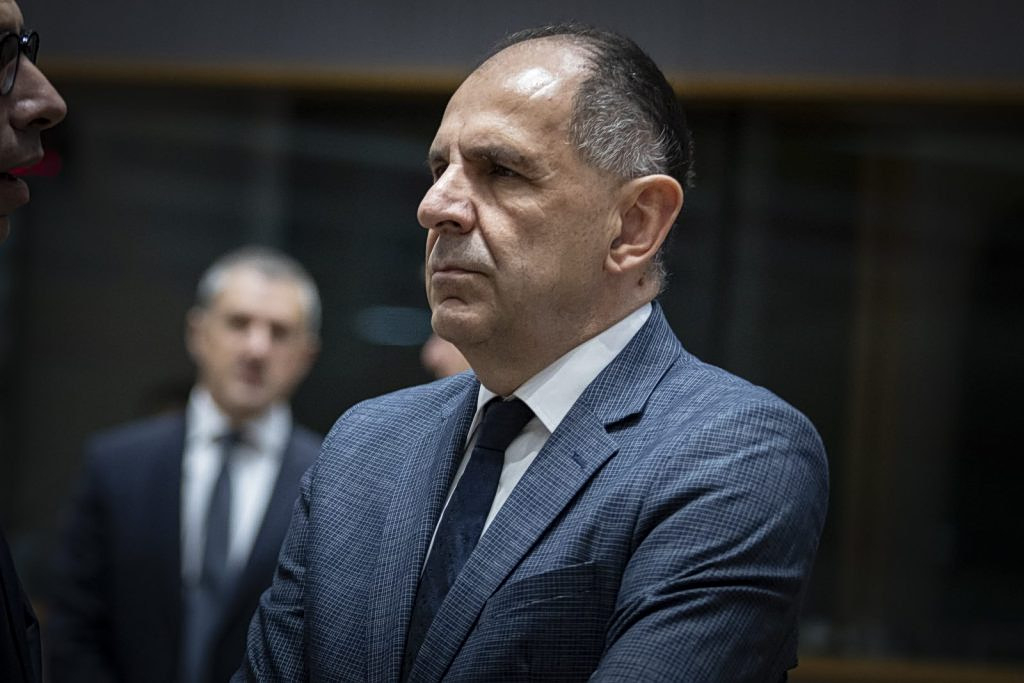
Finance Minister Kyriakos Pierrakakis has emphasized that interventions must remain targeted and fiscally sustainable, signaling that Greece prefers a coordinated European solution before adopting broader measures.
Athens is also backing the idea of a european “fiscal escape clause” that would leave room for temporary interventions without affecting each country’s deficit targets.
Markets tighten the pressure
Financial markets are already flashing warning signs. Government bond yields are rising across Europe, as investors price in persistent inflation and delayed interest rate cuts.
Higher borrowing costs are also limiting governments’ room for maneuver, making large-scale fiscal interventions harder to sustain.
Analysts say fiscal policy is no longer operating under the same conditions as in 2022, adding to the complexity of the current crisis.
Source: ot.gr